This article may contain affiliate links. I may earn a small commission at no extra cost to you. Learn More

Menu

That rotten-egg smell has a way of turning everyday routines into little moments of frustration—running the shower, filling a pot for pasta, starting a load of laundry, even pouring a glass at the kitchen sink. When sulfur is part of your well water story, you don’t just want “something that filters.” You want a treatment approach that targets odor at the point it starts, then keeps up when your home is actually using water.
This best well water filter system roundup breaks down five whole-house options to help you choose the best sulfur filter for well water for your home. You’ll see what each system is built to do, what ownership feels like over time, and how to choose based on your household’s needs and setup.
To build this list, I compared product information carefully and focused on systems with clear, practical ownership details—how they treat sulfur odor, how they handle common well-water overlap issues, and what their day-to-day routine looks like once installed.
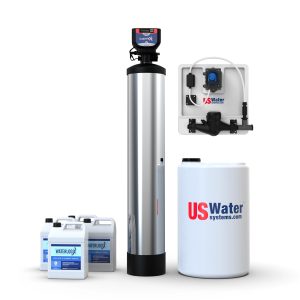
If you want a “treat it at the source” approach in a sulfur filter for well water setup, this system leans on continuous hydrogen peroxide injection. The peroxide oxidizes hydrogen sulfide—the rotten-egg odor—so the problem changes form instead of lingering in your plumbing. That means you notice a cleaner smell at the tap and in the shower, not a temporary cover-up.
After oxidation, the setup uses catalytic carbon filtration media, so you’re not just reacting sulfur—you’re filtering out what the oxidation step creates. In practical terms, your water ends up feeling more consistent across the house because the odor treatment and filtration work as a single flow, not as separate fixes you have to juggle.
What really shapes the experience is how the dosing follows your actual water use. A meter controls a pump control module built into a peristaltic pump, so the system injects based on flow rather than guessing. [1] That translates to steadier odor control during real life—like when you’re showering while the dishwasher runs and someone flushes a toilet.
Sizing stays straightforward because you can choose 10 GPM, 15 GPM, or 20 GPM. That matters when your home has “busy hour” water use, because matching flow helps you keep pressure and performance feeling stable. You also get an internal meter that counts gallons and monitors flow rates, so you have a clearer sense of demand over time.
If sediment is part of your well water, there’s another practical angle: the system is built to remove or reduce silt, sand, sediment, and cloudiness. There’s also an option that includes a 1-micron Magna filter, which is the kind of detail you appreciate when you’re tired of haze in the tub or grit in faucet aerators.
Ownership is geared toward automation. It backwashes approximately every two days, and you can set the time of day and the backwash frequency, so it handles cleaning in the background instead of interrupting your routine. The smart valve connects to your smartphone via Bluetooth 5.0 for a real-time dashboard and settings, and battery backup helps preserve memory during outages, so your setup stays intact when power flickers.
Pros:
Cons:
If you’re trying to pick from the best iron and sulfur filter for well water front-runners, this is a strong fit when your well water problems feel bundled together—odor plus staining or dark buildup—and you want one whole-house system to settle things down. It targets iron up to 30 ppm, manganese up to 7 ppm, and hydrogen sulfide/sulfur up to 5 ppm, so you’re not solving one symptom while ignoring the rest. Day to day, that usually shows up as fewer “why does this smell weird?” moments and less frustration around fixtures and laundry.
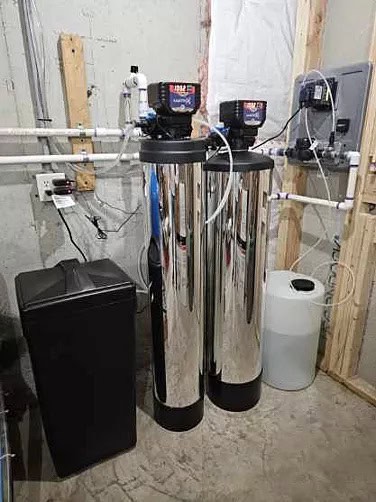
The system uses air injection oxidation, which keeps the concept simple in real life. A bubble of compressed air adds oxygen to the water, then that oxygenated water passes through a specialized filter bed that captures what the oxygen step makes easier to remove. The result is a whole-house routine where odor control feels built in, not bolted on. [2]
When the oxygen gets depleted, the system regenerates to backwash what it captured and replenish oxygen supply. That refresh cycle matters because it keeps performance from drifting over time. In normal use, you get a steadier experience from week to week instead of feeling like things are great right after installation and slowly slide backward.
Another ownership detail that stands out is pH support. It’s built to raise pH to 7.0+, so your water shifts toward a more balanced feel. That’s the kind of change you notice in the small stuff—washing hands repeatedly, rinsing soap clean, and not feeling like your water is working against you.
On the control and flow side, you get a 1-inch high-efficiency, high-flow valve, so the system is built to handle household use without feeling restrictive. The 4-line easy-read LCD makes settings less of a guessing game, and a self-charging battery capacitor helps keep time and settings through short outages. In practice, it feels like a system you set up, check occasionally, and then mostly forget.
Pros:
Cons:
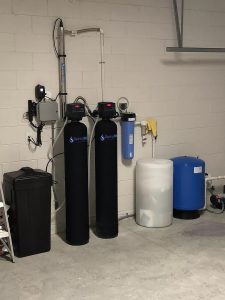
If you’re narrowing down the best well water sulfur filter shortlist, this system is a good match when you like the idea of using air—rather than chemicals—to handle sulfur odor. It centers on air injection oxidation with an air pocket at the top of the tank, so water oxidizes iron, sulfur, and manganese before the filter bed captures what’s been changed. That means odor control starts early in the process, so you notice the difference across showers, laundry, and the kitchen sink.
The performance targets are clearly defined: it’s rated to remove up to 8 ppm of hydrogen sulfide, up to 7 ppm of iron, and up to 1 ppm of manganese. Those numbers help you sanity-check fit, especially if you’ve already looked at a well water test and want a system aligned with what you’re actually dealing with. In daily life, that tends to show up as fewer odor spikes when you turn on hot water and less “well water funk” hanging around in steamy rooms.
The filter bed is a green sand fusion bed, and it’s paired with a backwash cycle that flushes captured contaminants out and resets the fresh air pocket. You can set it to backwash daily, which keeps the internal environment refreshed so performance doesn’t feel like it’s fading. That routine is especially helpful when you want the system doing maintenance on its own schedule rather than asking you to constantly stay involved.
Control is where this one feels especially modern. The Bluetooth head and app control let you adjust air draw, backwash cycles, and timing from your phone, so you’re not stuck hovering in the utility room when you want to dial something in. You get a more “set it, adjust it when needed” style of ownership.
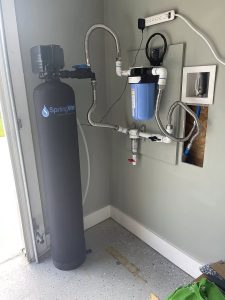
There are also details aimed at keeping operation smoother. The system uses a slow release of the compressed air charge before backwash cycles, which helps avoid the loud “blast” feeling that some air-based systems can have. And it’s designed to save thousands of gallons of water each year, which supports a more efficient long-term routine.
Sizing is handled by number of bathrooms, which helps you match the system to real household demand rather than guessing. It’s built with certified components and includes a lifetime warranty plus a 6 month money back guarantee, so you get stronger peace of mind around a whole-house install. The overall experience fits best when you want solid odor control with phone-level adjustability and a system that feels built around normal home usage.
Pros:
Cons:
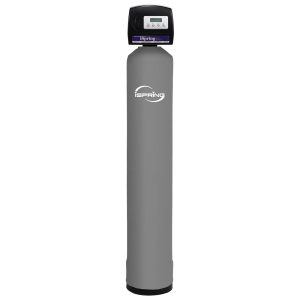
If you want a sulfur water filter for well water that’s built for low-fuss ownership, this system is a strong match. It’s a point-of-entry setup that starts with 3-micron sediment filtration, so you’re catching fine particles and turbidity early. That translates to clearer water at fixtures and less of that “gritty” feeling when you’re rinsing produce or filling a tub.
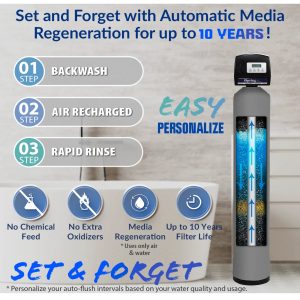
On the sulfur side, it’s built to reduce manganese and hydrogen sulfide up to 20 ppm, and iron up to 12 ppm. That combination matters because sulfur odor often shows up alongside staining issues, and this system aims to treat that overlap in one whole-house pass. In daily routines, you tend to notice it most in the shower and at the kitchen sink—less odor when water first starts flowing and fewer moments where the smell lingers in the room.
Instead of a frequent cartridge-swap lifestyle, you get automatic media regeneration. The system cleans itself through a backwash step that flushes contaminants off the media, then introduces fresh air for oxidation without additional chemicals, and finishes with a rapid rinse. That keeps the internal media working without you having to micromanage upkeep.
The long-term ownership target is clear: it’s rated to last up to 10 years or filter up to 500K gallons of water without the hassle of filter replacements. For many households, that means you spend less time thinking about whether you’re “due” for a changeout and more time just using the water normally.
You also get a digital screen and a smart control valve, so you can set the self-cleaning interval around your routine. That’s the kind of usability detail that makes a difference when you don’t want maintenance to land in the middle of your day. And with a footprint listed at 12 inches by 12 inches by 56 inches, it stays relatively narrow, which helps in basements and utility corners where space is limited.
Pros:
Cons:
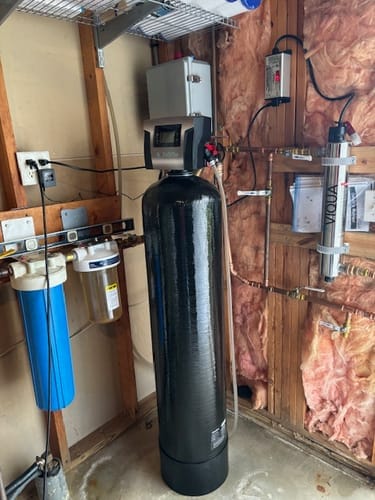
If you’re shopping for the best sulfur water filter for well water leading choices, this system is a good fit when you like a layered approach that feels easy to “mentally map.” It starts with a 20-inch sediment cartridge that catches sand, silt, and dirt before they spread through your fixtures. That means less grit in aerators and fewer moments where water looks cloudy when you first run it.
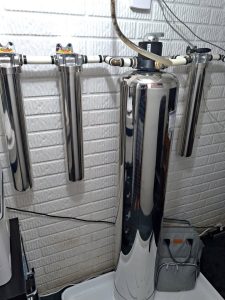
From there, water moves through a mineral tank that reduces hydrogen sulfide along with iron and manganese. In real life, that’s the stage that speaks directly to the rotten-egg smell and the common staining overlap, so you’re not just treating one symptom while another keeps bothering you. The goal is whole-house water that feels more consistent from the kitchen to the showers.
Then you get a 20-inch solid carbon cartridge as post-filtration, which works as a finishing step for the water you taste and smell most directly. It reduces VOCs and other “environmental” traces, so your drinking water and cooking water feel more pleasant and less distracting. It’s the kind of step you notice when you fill a glass or boil water and the odor doesn’t rush up with the steam.
The system gives you flexibility in how you size it for long-term use. You can choose a 1.5 cubic foot option rated to filter 1,000,000 gallons, or a 2.0 cubic foot option rated to filter 1,500,000 gallons. That choice shapes how much capacity you’re building into the system, so you can lean toward fewer major service intervals over time.

Build options help you match the setup to your install environment, too. You can choose a fiberglass or stainless steel casing, which lets you align the system with your preferences for durability and placement. This matters most when you’re installing in a space where you want the system to feel like a permanent, tidy part of the home.
Control choices let you match maintenance style to your household. The standard timer valve runs backwashing on a schedule, while an optional metered valve backwashes based on gallons used. And if you want to expand beyond sulfur and metals, there’s an optional SMART filter stage that combines catalytic carbon, redox media, and anion exchange resin, so you can push toward a broader whole-house cleanup with one integrated add-on.
Pros:
Cons:
This buyer’s guide helps you choose a system that fits your water issues and your household routine—so odor control feels consistent, maintenance feels manageable, and the setup keeps up with how you actually use water.

If you’re deciding between the best well water filter for sulfur smell contenders, start by thinking about the treatment “engine” you prefer. Several systems here use air injection oxidation, where oxygen in the tank helps change sulfur (and often iron and manganese) into forms the filter media can capture. That approach tends to feel straightforward in ownership because the system refreshes itself through backwashing and keeps the process internal.
Peroxide injection takes a different route: it continuously injects hydrogen peroxide to oxidize hydrogen sulfide, then filters the result through media like catalytic carbon. If you like the idea of dosing that follows flow—and you’re comfortable with a setup that includes a peroxide tank—this style is built for a very “process-driven” kind of consistency.

If you’re trying to pick from the best whole house water filter for well water sulfur smell shortlist, begin with what’s actually bugging you day to day. If odor is your primary annoyance, focus on systems that specifically target hydrogen sulfide and use oxidation to break the smell down at the beginning of treatment. This is the difference between water that still smells strange when it first runs and water that feels cleaner right away at the shower and the kitchen sink.
If odor shows up alongside staining or discoloration, it helps to look for systems that target sulfur plus iron and manganese. When one system addresses the bundle, you avoid the common frustration of solving smell but still feeling annoyed every time you notice stains, buildup, or “off” water behavior around the house.

With the best sulfur filter for well water setups, whole-house treatment only feels great if it keeps up when your household is actually using water. That’s why flow sizing matters. A system with selectable flow rates—like 10, 15, or 20 GPM—gives you a clearer path to match demand, so showers and fixtures still feel normal when multiple things run at once.
Another way sizing shows up is how a system is framed around household layout. When a system is sized by number of bathrooms, it pushes you to choose based on real-world peak use. That’s helpful because it aligns treatment with the moments you care about most—busy mornings, weekend laundry, and dinner clean-up.

Backwashing and regeneration are what keep many whole-house sulfur systems performing steadily. The question is how you want that to happen. Some systems run a schedule-based backwash, while others let you set cleaning intervals or track cleaning more closely to usage.
Controls shape the experience, too. A clear LCD makes quick checks and adjustments easier, while Bluetooth/app control gives you a more modern “tune it from your phone” routine. Neither is automatically better—what matters is choosing the style that fits how involved you want to be over time.
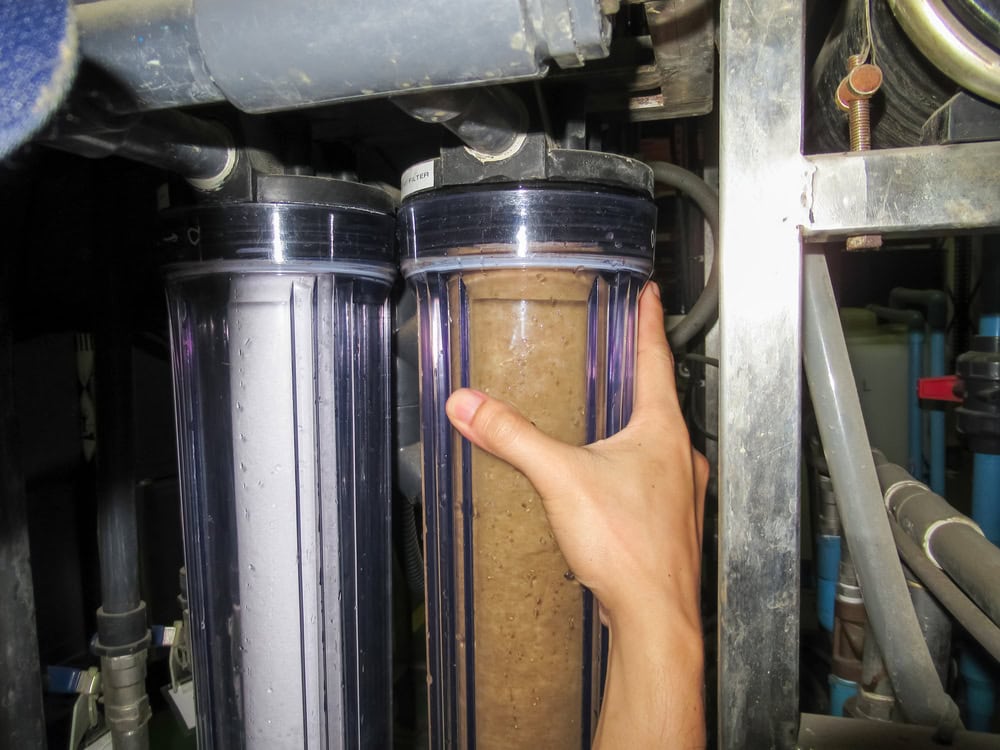
Odor control is often the headline, but the finishing step matters for how water feels in the kitchen day to day. A post-filtration carbon stage supports a cleaner experience for drinking and cooking because it targets VOCs and helps smooth out “environmental” traces that can affect smell and taste. [3]
If you also deal with sediment, pay attention to prefiltration details like micron ratings and sediment-focused stages. Catching fine particles early helps keep water looking clearer at fixtures and can reduce the annoyance of grit building up in aerators and around the home.
Related Well Water Guides:
If you want the most process-driven approach for stubborn odor—especially when you like the idea of flow-based dosing—the US Water Systems Matrixx InFusion stands out with peroxide injection, catalytic carbon media, and selectable flow sizing. If you want one whole-house system that targets common well-water overlap issues and adds pH support, the SoftPro Iron Master AIO is a strong fit.
If phone control and a bathroom-based sizing approach sounds appealing, SpringWell offers air injection oxidation with app-based adjustments and a daily backwash option. For a low-maintenance mindset built around automatic regeneration and a long rated service target, iSpring WCFM500K is an easy match. And if you prefer a layered, modular setup with sediment plus carbon “polish” and very high rated gallon capacities, Crystal Quest is worth a close look.
Your best move is to choose based on what you notice most—odor alone, odor plus staining, sediment, or peak household demand—then scroll back up and compare the mini reviews to land on the best whole house sulfur filter for well water for your place. When the system matches your water and your routine, the improvement feels simple and consistent.