This article may contain affiliate links. I may earn a small commission at no extra cost to you. Learn More

Menu

Well water has a way of keeping you guessing. Your water might look fine, yet coffee suddenly tastes “mineral-y,” ice picks up odd flavors, or you start wondering what’s dissolved in the water you drink every day. If you’re trying to choose the best ro filter for well water for your kitchen, that uncertainty gets old fast.
Reverse osmosis is a popular fix because it tackles more than visible grit. An RO membrane targets dissolved solids, so your drinking and cooking water feels more consistent. This roundup walks through five strong RO directions—under-sink systems and a whole-home option—so you can match the right setup to your space, your pressure situation, and the kind of routine you want to live with.
I compared product details carefully to find the best well water filtration systems that make sense for well water shopping, with a focus on what you’ll actually notice day to day—refill speed, storage, install realities, and how confidently the system fits your home.
If you like a more traditional under-sink build, this fits the best reverse osmosis water filter system for well water lineup for shoppers who want a clear, upgrade-friendly layout. You get an under-sink setup designed around a dedicated drinking-water faucet, so your main kitchen faucet stays uncluttered and your filtered water always comes from the same place.
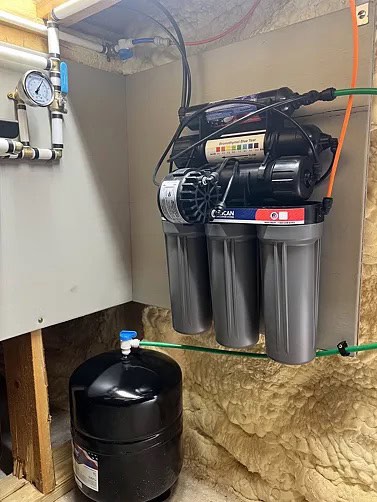
Storage is a big part of how RO feels in daily life, and this one includes a 4.5-gallon tank. That reserve matters when you’re filling a kettle, topping off bottles, or grabbing water while cooking. The tank base supports upright or sideways placement, so you can adapt to the cabinet you actually have instead of rebuilding your under-sink layout.
The filtration path is laid out in clear stages, which helps the system behave consistently. It starts with sediment filtration for dirt and rust, then runs through carbon stages including a sub-micron carbon block that targets chloramine and PFAS. After that, the RO membrane handles heavy metals, fluoride, and dissolved solids, and a post-carbon stage polishes the taste at the faucet. The result is a cleaner, more even “finish” in your water, so coffee and pasta water taste less like whatever your well decided to do this week.
Small build details matter under a sink, and this one focuses on connection confidence. It uses a double O-ring seal designed so water stays in the filtration path, which helps the setup feel dependable once it’s installed. Color-coded tubing simplifies the routing, and a quick-connect drain saddle keeps the drain connection more controlled and less improvisational.
You also get a TDS meter in the box, which makes ownership more measurable. Instead of guessing, you can check results and track changes over time. And if you want an extra layer of microbial peace of mind, there’s an optional LED UV disinfection upgrade designed to disinfect water as it leaves the storage tank and plugs into a standard 110V outlet.
Warranty and support round out the long-term feel. The tank and valves have a 5-year warranty, and you get lifetime technical support. If you like the idea of a classic RO layout with a clear upgrade path, this is a strong fit.
Pros:
Cons:

If water pressure is part of your well-water reality, this is a strong pick in the best reverse osmosis water filter for well water category. It’s a 7-stage under-sink RO system rated at 100 gallons per day, and it includes a built-in booster pump. That pump matters because RO performance leans on pressure, so you get a steadier experience when your incoming pressure isn’t ideal.
In everyday use, the 100 GPD rating helps the system keep up with normal kitchen routines. Filling a bottle, making tea, or topping off a pot doesn’t feel like a slow trickle situation. The system is built around the idea that RO should fit normal life, not force you to plan your day around it.
Efficiency is another ownership theme here. It lists a 1.5:1 pure-to-waste ratio, so the drain line doesn’t run as aggressively as some older-style RO setups. That translates to a cleaner “this feels reasonable” experience when you’re using RO regularly.
The operating ranges make it easier to sanity-check fit. It’s rated for inlet pressure from 30 to 70 psi and water temperatures from 40 to 100°F, with a maximum inlet TDS of 750 ppm. Those guardrails help you understand what the system expects, so you’re not installing something blind.

For well water confidence, this system adds two stages that many shoppers prioritize. There’s UV sterilization as part of the setup, and there’s an alkaline remineralization stage using natural mineral stones plus a calcium carbonate filter. That combination supports a more confident drinking-water routine and a less “stripped” taste when you drink it straight. [1]
Installation is designed to feel approachable, not intimidating. Push-to-connect fittings and four-color tubing make the connections easier to follow under a cabinet light. It also uses standard-sized replacement filters and calls out premium O-rings, so maintenance stays familiar when it’s time to swap parts.
Pros:
Cons:
If you’re thinking bigger than the kitchen sink, this sits among the best whole house reverse osmosis well water filter contenders for a whole-home approach. Instead of improving only your drinking and cooking water, this treats water for the entire house—so the water you drink, cook with, shower in, and run through laundry comes from the same RO-treated supply.
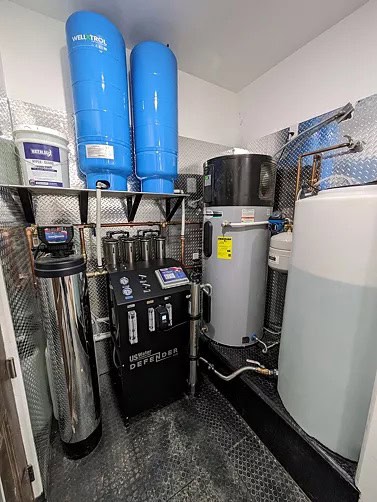
This system is offered in 4000, 6000, and 8000 gallons per day production rates, with atmospheric storage tanks sized at 140 or 250 gallons. That combination matters because whole-house RO is a storage-and-delivery game. You’re not relying on instant membrane output at a faucet; you’re building a reserve and feeding your home from it.
At the heart of the system are RO membranes rated at 0.0001 microns. In practical terms, you’re pushing water through a very fine barrier designed to address dissolved solids at a high level. The system also includes sediment and carbon filtration around the RO process, including a 5-micron post-filter and carbon filters, so the finished water feels more complete through the house.
A key ownership detail here is how it’s designed to manage waste and recovery. It includes built-in recycle and blending functionality designed to improve recovery and reduce waste. That matters because whole-house RO would feel hard to justify if it behaved like a constant water-waster.
Delivery is handled by a dedicated pump, with options that include SCALA 1 or CMBE5-62. That pump pressurizes stored water back into the home, so showers and faucets still feel like normal household pressure instead of a sluggish compromise.
This is also a system you plan space for. Installation is designed for a plumbing contractor, and the setup calls for a floor drain plus both 220V and 110V power. If you have a utility area and you want a “water room” approach, this is the kind of infrastructure upgrade that changes the entire home experience.
Pros:
Cons:
If you’re narrowing down the best reverse osmosis filter for well water shortlist, this one brings a classic under-sink layout with extra peace-of-mind stages built in. You get a 3.2-gallon storage tank and a dedicated faucet, so you have a steady reserve for drinking water without tying up your main faucet.
The early stages focus on keeping the membrane protected and the flow steady. It starts with a 1-micron sediment filter to capture dirt, silt, rust, sand, and other visible grit. That matters because sediment is a common well-water reality, and it’s the kind of thing that can bog down a system if you don’t catch it up front.

From there, it moves into carbon stages that support taste and odor improvements. It includes a granular activated carbon stage and a coconut carbon block stage, aimed at chlorine and chloramines, plus VOCs and heavy metals, before water reaches the RO membrane. That structure helps the system deliver water that tastes more “finished” at the glass. [2]
For many well-water shoppers, the standout is the combination of UV and alkaline stages. The UV bulb is there to sterilize water before it reaches the faucet, with removal listed up to 99% for harmful bacteria, viruses, and microorganisms. You’re not relying on taste alone to feel confident—this gives you a clear extra layer in the treatment chain.
The alkaline stage uses a 5-stage remineralization mix that includes media like calcite and other mineral materials. In normal use, that helps the water taste more natural and less flat. It’s the kind of detail you notice when you drink water straight or make coffee and tea.
Installation details are designed to keep the experience manageable. Color-coded tubing and quick connector fittings make the layout easier to follow, and the kit includes practical extras like a feed water adapter, drain saddle valve, filter housing wrench, a TDS meter, and a leak stop valve. That set of inclusions supports a cleaner install day and a more controlled ownership routine.
Pros:
Cons:
If you want RO to feel less like a plumbing project and more like a modern kitchen appliance, this is one of the best reverse osmosis well water filter setups to start with. It’s an under-sink system with a 2.8-gallon storage tank, so you get stored, ready-to-use water when you fill a glass, a bottle, or a pot for cooking.
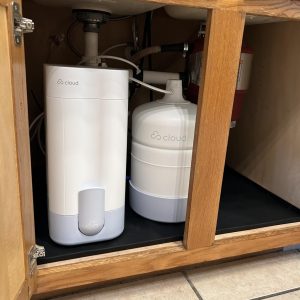
The faucet experience is a big part of the appeal. You get a single faucet that gives you both filtered and remineralized water, so your setup stays cleaner at the sink. In day-to-day use, that means fewer “which faucet is which” moments and a more streamlined routine.
Filtration stays focused and confidence-forward. It’s a 4-stage RO system with NSF 58 certification, and it’s rated at 250 gallons per day. Those details point toward a system designed to keep refills moving faster, so you’re not stuck hovering at the sink when you’re trying to keep up with normal kitchen demand.
Efficiency is part of the ownership story as well. It lists a 1:1 waste ratio, which helps keep the drain side from feeling excessive when you use RO regularly. That’s an especially practical detail when you’re using filtered water for cooking, drinks, and bottles all week.
Install realities are where Cloud separates itself from many under-sink builds. It doesn’t need an outlet under your sink. It runs on a battery pack and uses an internal hydraulic pump, so you still get the pressure you want at the faucet without adding wiring to the cabinet.
The ongoing routine leans into “don’t guess.” Internal sensors track water quality and consumption and feed the app, so you can check status before you run out of stored water mid-dinner prep. Filter replacement is typically 9 to 12 months for a family of four, and the system comes with a 5-year warranty, so ownership feels more like periodic upkeep than constant tinkering.
Pros:
Cons:
This buyer’s guide helps you match an RO setup to your home setup and daily routine, so you end up with water you enjoy using—not a system that feels like a constant project.
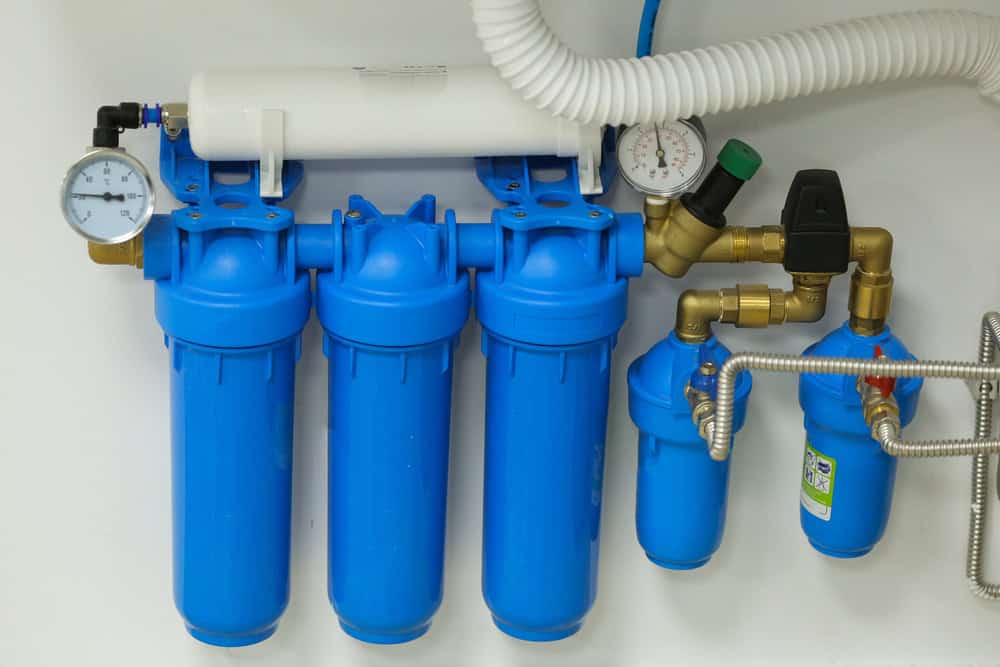
When you look at the best ro filters for well water paths people take, it usually comes down to whether you want targeted drinking water or a whole-home change. Under-sink RO focuses on drinking and cooking water. A dedicated RO faucet and storage tank give you a predictable place to fill a glass, brew coffee, or cook with filtered water. If your main goal is better-tasting water at the kitchen sink, this direction keeps things targeted and easier to fit into most homes.
Whole-home RO is a different kind of commitment. It treats water for everything—kitchen, showers, laundry, and more—so the entire house runs on the same treated supply. That approach relies on atmospheric storage and a delivery pump, so you’ll want the space and the utility access to make it feel clean and intentional.
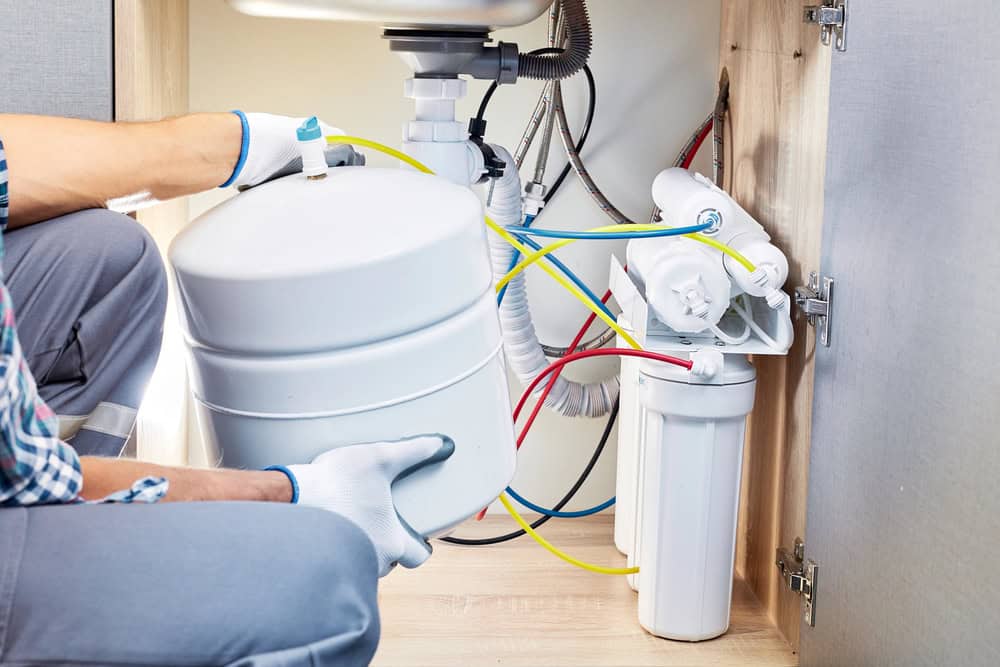
Even the best ro filter for well water setups won’t feel satisfying if storage is undersized for how you cook and drink. RO membranes work over time, so storage tanks shape what the system feels like in daily use. A larger tank reserve supports busy moments like making dinner, filling a kettle, and refilling bottles back to back. That’s when you notice the difference between “I always have enough” and “I have to wait for it.”
Pay attention to whether the tank fits your under-sink reality. The ability to place a tank upright or on its side can be the difference between a clean install and a frustrating cabinet shuffle. For whole-house setups, atmospheric storage is central—you’re building a reserve that feeds the home consistently.
If you’re comparing the best reverse osmosis well water filter front-runners, don’t ignore pressure support. RO works best when pressure stays in a comfortable range. If your well setup runs on the low side, a built-in booster pump changes the day-to-day experience. You get steadier flow and fewer “why is this taking forever” moments when you’re filling a bottle or trying to keep up with cooking.
Operating ranges help you judge fit. If a system lists pressure, temperature, and inlet TDS limits, treat that as a practical checklist. It’s not about perfection—it’s about choosing a system designed to behave predictably with the water conditions you’re working with.

If microbial peace of mind is part of why you’re shopping, UV sterilization is a clear “confidence stage.” It’s designed to sterilize water in the treatment chain before it reaches your faucet, which pairs well with well water concerns. If you want that extra step, pick a system that includes UV or offers it as a defined upgrade. [3]
If taste matters and you don’t love the idea of water feeling “flat,” look at remineralization. An alkaline stage that adds minerals back into the water typically makes the finished taste feel more natural. This is the kind of upgrade you notice in plain drinking water and in coffee or tea.
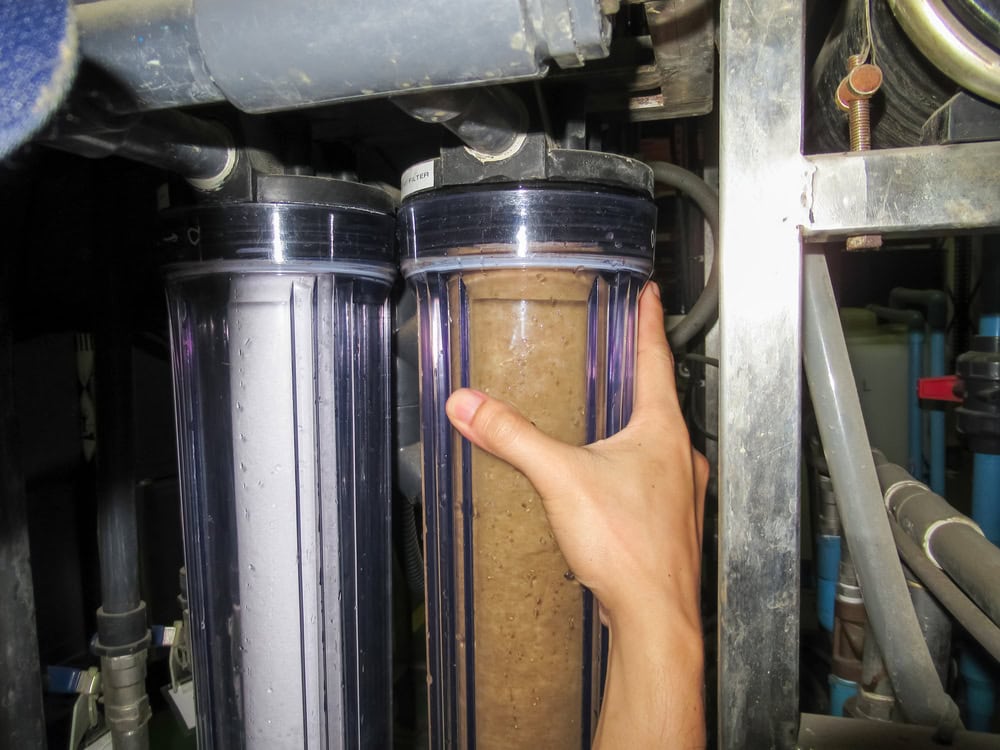
Installation and maintenance shape whether you love your system six months from now. Color-coded tubing and push-to-connect fittings make install day feel more controlled. Included extras like a TDS meter or leak stop valve help you verify results and keep the area tidy.
Long-term, a clear maintenance rhythm matters. If a system tracks usage and water quality through sensors and an app, you spend less time guessing. And when warranties and support are strong, you get more confidence that your system will stay a help—not a headache.
Related Water Filter Guides:
If you want the most streamlined under-sink experience, Cloud RO stands out for its appliance-like design, single faucet for filtered and remineralized water, and no under-sink outlet requirement. It also fits well if you like checking status through an app and keeping the routine simple.
If your priority is a classic multi-stage under-sink kit that leans into well-water confidence, NU Aqua’s 7-stage build stands out with its 1-micron sediment stage, UV sterilization, and remineralization mix.
If you’re trying to treat the entire home, the US Water Systems Defender is the infrastructure move—built around production options, atmospheric storage, and pump-driven delivery so your whole house runs on RO-treated water.
If water pressure is a concern, iSpring RCC1UP-AK is a strong match thanks to the built-in booster pump, plus UV sterilization and alkaline remineralization for a more confidence-forward drinking-water routine.
And if you want a traditional under-sink system with a clear upgrade path, the US Water Systems American Made Reverse Osmosis System is the straightforward pick with a larger storage tank, a measurable TDS check, and an optional UV add-on.
To choose confidently, start with your setup: under-sink for targeted drinking-water upgrades, or whole-home if you want one consistent treated supply everywhere. Then match storage, pressure support, and any UV or remineralization stages to the kind of routine you want to live with. If you’re still deciding on the best reverse osmosis filter for well water for your home, scroll back up to the product list, pick the system that fits your space and priorities, and move forward with a setup you’ll enjoy using every day.


