This article may contain affiliate links. I may earn a small commission at no extra cost to you. Learn More

Menu

Shopping for a Tyent water ionizer—especially after reading Tyent water ionizer reviews—usually starts with one simple goal: you want water that fits the way you actually live. Maybe you want a quick, consistent drinking-water routine. Maybe you like the idea of hydrogen water on demand. Or maybe you want a setup that gives you stronger cleaning water at the sink without adding extra bottles and sprays.
This roundup helps you sort through the lineup with clear, practical context—how each model sits in your kitchen, how you select water types, what the filtration and cleaning routines feel like, and which one fits your daily habits best.
I compared the key details that shape real ownership—control style, placement, ranges for pH and ORP, hydrogen-focused functions, filtration approach, and the built-in cleaning and safety behaviors—so you can narrow down a short list that matches your kitchen and your routine.
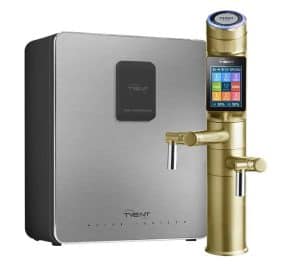
If you’re starting your Tyent water ionizer review research with a “keep the counter clear” goal, the UCE leans into an under-counter approach. The main unit sits out of sight, and you control everything from a satin silver faucet with a vivid touchscreen. That means your workflow stays familiar—walk up, choose a setting, and fill your glass—without dedicating counter space to a machine.
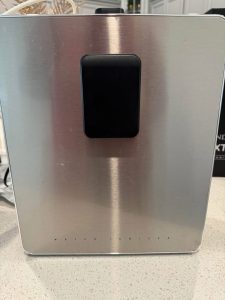
The output range gives you a lot of flexibility at the sink. You’re working with a 1.7–12.5 pH range and negative ORP levels up to -1150, so you can move between different water types depending on what you’re doing—drinking, cooking, or cleaning tasks. It’s rated for 1.8+ ppm molecular hydrogen, so hydrogen water fits into the same simple faucet routine. Because results depend on your source water and any upgrades you add, you’re choosing a platform that you can tailor to your situation.
Filtration is a big part of why this model stands out in day-to-day use. The setup is positioned to remove up to 99% of contaminants, so you start with a cleaner baseline before you even think about pH settings. It uses dual 0.01-micron Dialipure filters that remove over 200 contaminants, which translates to more confidence when you’re pouring water for coffee, tea, and cooking. If you want another filtration route, Ultra Filtration is available with 0.01 micron filtration and a rating of removing up to 99% of over 200 contaminants—including chlorine, sediment, VOCs, and heavy metals—so your “clean taste” priorities stay front and center.
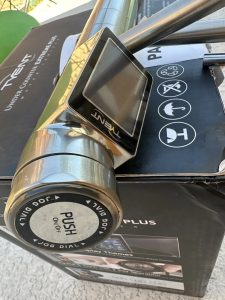
If you’re the type who wants headroom for performance, there’s a clear upgrade path. A Hydrogen Boost upgrade takes the system from 11 to 13 plates and focuses on higher power with boosted hydrogen. In practical terms, you’re not locked into one performance level for the life of the system—you can scale up if your goals shift.
Long-term support is another reason people gravitate toward an under-counter setup like this. A lifetime warranty applies to units purchased on or after January 15th, 2010, and for customers in North America who purchase directly or through an authorized reseller, they fix or replace the unit if you run into performance issues. There’s also a 75-day trial, which makes it easier to commit to an under-counter install when you want time to see how it fits your routine.
If your ideal setup looks and feels like a built-in faucet experience—clean counters, quick selection, and filtration confidence—the UCE tends to match that vision best.
Pros:
Cons:
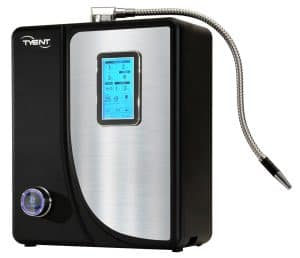
In a Tyent water ionizer comparison, the Hybrid stands out for one main job: making hydrogen alkaline water in real time without extra add-ons. Water runs through an electrolytic cell and then a Hydrogen Booster Cell, so you get a hydrogen-forward routine right from the unit. There’s even a hydrogen-exclusive button, so you can go straight to your hydrogen setting instead of hunting through options.
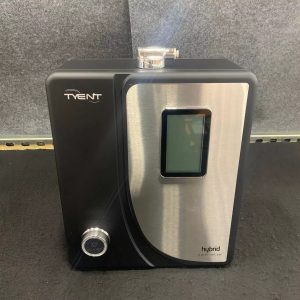
You still get a wide range to work with for different sink tasks. The Hybrid runs a 3.0–11.0 pH range with negative ORP levels up to -1250, so you can shift from everyday drinking water to stronger-use cases when you want them. It’s rated for up to 1.8+ ppm molecular hydrogen, which fits the whole point of choosing this model in the first place—hydrogen on demand, not as a special occasion.
What makes it feel easy in a busy kitchen is the built-in dosing convenience. Drink size presets and a quantity selection function (from 0.2L up to 5L) let you fill a mug, a bottle, or a pot with a set amount. The result is less hovering at the sink and fewer overfills when you’re juggling cooking or trying to prep water for the day.
Filtration supports the “drink it every day” reality. A 2-filter system targets odors, chemicals, and contaminants, so the water you pour starts cleaner and fresher. The advanced filtration callouts include chlorine, rust, sediments, and VOCs, which means your baseline taste and smell typically feel more “clean” and less like raw tap water.
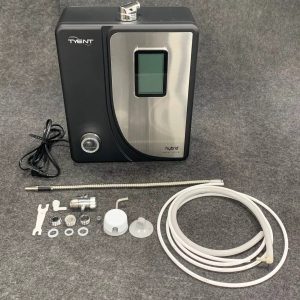
Maintenance is designed to stay low-drama over time. Automatic cleaning helps keep the electrolysis tank running steadily, and automatic flow switching helps keep the water cell cleaner while proactively preventing scale and extending cell lifespan. Eco-mode turns off the LCD backlight to conserve energy, which makes sense for a unit that often sits powered on in the same spot every day.
Safety behaviors add to the “set it and use it” feel. Automatic stop helps prevent overflow, a temperature sensor helps block hot water inflow, and raw-water sensing stops flow when the source water isn’t detected. If you want hydrogen as the centerpiece of your routine and you like the idea of preset fills, this model usually fits that workflow best.
Pros:
Cons:
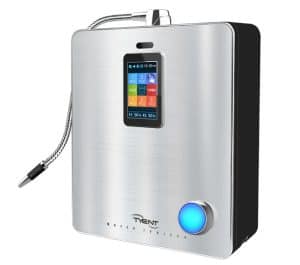
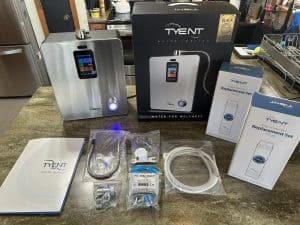
If you’re trying to pick the best Tyent water ionizer for a premium, screen-forward countertop routine, the ACE puts clarity first when you’re choosing settings. A 4-inch TFT color LCD makes it easy to see what you’re selecting, and the interface feels more like a modern kitchen appliance than a technical device. A motion-activated flow sensor supports hands-busy moments—like filling a pot while cooking—so your routine stays smooth even when you’re moving fast.
This model leans into a big performance spread. You get a 1.7–12.5 pH range, negative ORP levels up to -1150, and it goes over 1.8 ppm of molecular hydrogen. It runs on a 10-amp current supply and uses platinum-coated titanium mesh plates, so when you pick a stronger setting, the setup is built to support that kind of output in normal use.
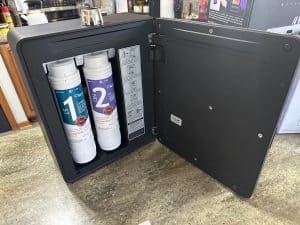
Filter ownership is set up to feel straightforward. Dual front-load filters make access easier, and the system tracks filter usage so you’re not relying on memory or vague timing. That means your “swap the filters” routine stays more predictable, and your taste baseline stays more consistent week to week.
If you want to push filtration further, there’s an Ultra Filtration option worth noting. It uses 0.01 micron filtration and is rated to remove up to 99% of over 200 contaminants—including chlorine, sediment, VOCs, and heavy metals—so you can prioritize a deeper filtration path while keeping the same countertop workflow.
Cleaning functions are designed to support both performance and convenience. You can tune the automatic cleaning cycle based on your use and source water, which helps the electrolysis tank stay in stable operating condition over time. Turbo mode produces cleansing water without additives, and the turbo pH guidance points you to alkaline turbo around pH 10–12 for cleaning and disinfection, and acidic turbo around pH 3.5–2.5 for disinfection—so you can handle certain cleaning tasks right at the sink without mixing extra solutions.
Safety features help the whole experience feel controlled. The system can stop flow to prevent overflow, a temperature sensor helps block hot water inflow, and it suspends water supply if the filter door is open. If you want a high-output countertop unit with a premium screen experience and a strong cleaning-and-safety package, the ACE usually fits that preference well.
Pros:
Cons:
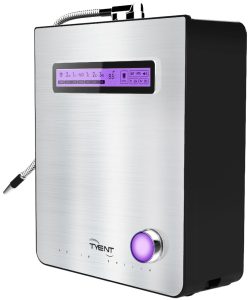
The Edge is built for simple countertop use that still feels refined. You get one-touch selection paired with a jog dial, which makes changing settings fast when you’re filling a glass half-awake. The screen backlight shifts by outflow level and is designed to match pH test strip colors, so you can keep track of what you’re dispensing with a quick glance.
If you’re narrowing down the best Tyent water ionizers for a quick, intuitive routine, this one starts strong. The output range covers a lot of everyday territory. The Edge runs a 2.5–11.5 pH range with negative ORP levels up to -875, and it’s rated for up to 1.5+ ppm molecular hydrogen. It uses 9 platinum-coated hybrid plates, which supports steady output when you’re making multiple fills in a row for bottles, cooking, or day-long sipping.

Filtration is designed to protect both taste and the daily experience. The setup includes membrane multi-layer filtration—TM-ceramic plus a carbon block—built to help remove particulates in the 0.5–5 micron range along with contaminants. You also get a 2-filter system focused on odors, chemicals, and contaminants, which means your water typically smells cleaner and tastes fresher, especially in coffee and tea. Front-load filter access keeps the routine more manageable when it’s time to swap filters.
Ownership stays smoother because cleaning is baked into normal operation. Automatic cleaning runs regularly to keep the electrolysis tank operating steadily, and automatic flow switching helps keep the water cell cleaner while cutting down on scale buildup. Turbo mode makes functional cleaning water without additives, and the guidance stays practical—alkaline turbo around pH 10–12 for cleaning and disinfection, and acidic turbo around pH 3.5–2.5 for disinfection—so you’re not guessing which setting fits which task.
Safety behaviors round out the everyday feel. Automatic stop helps prevent overflow, a temperature sensor helps block hot water inflow, and water-source sensing helps you avoid flow when the unit doesn’t detect source water. If you want a straightforward countertop routine with clear controls, built-in cleaning, and solid filtration support, the Edge typically fits that “easy to live with” lane best.
Pros:
Cons:
This buying guide helps you match the right model to your kitchen layout and your daily habits—so you’re not just chasing numbers, but choosing a setup you’ll actually enjoy using.
If you love a clean countertop, under-counter placement changes the feel of your whole kitchen—and it’s a big theme in any Tyent water ionizer review. The UCE keeps the main unit out of sight and puts control on a touchscreen faucet, so you get a built-in look while keeping the “walk up and fill” routine.
If you prefer a countertop setup, you’re choosing convenience and visibility. Models like the Edge, ACE, and Hybrid sit near the sink, which makes them easy to access for quick fills and routine checks. The tradeoff is simple: you give up some counter space, but you gain a self-contained station that’s always ready.
Control design matters more than people expect, especially when you’re scanning Tyent ionizer reviews and everything starts to sound the same. If you want something you can operate almost on autopilot, one-touch selection and a jog dial keep the Edge feeling quick and simple. The color backlight that aligns with pH strip colors also helps you stay oriented at a glance.
If you like a bigger, clearer interface, the ACE leans into a large color screen. And if you want faucet-based control with an uncluttered counter, the UCE keeps selection on a touchscreen faucet. For hydrogen-first routines, the Hybrid’s hydrogen-exclusive button makes it easier to choose hydrogen output quickly, especially when you’re filling bottles back-to-back.
In Tyent water ionizer reviews, ranges for pH and ORP matter most when they match what you plan to do at the sink. Wider spreads give you more flexibility to switch between drinking water, cooking needs, and stronger cleaning-focused water types. If you like having the broadest range in this lineup, the ACE and UCE both reach 1.7–12.5 pH with negative ORP levels up to -1150.
If you want strong negative ORP emphasis, the Hybrid reaches negative ORP levels up to -1250 with a 3.0–11.0 pH range. And if your priority is an easy countertop routine with solid coverage for common use, the Edge’s 2.5–11.5 pH range and negative ORP levels up to -875 keep things straightforward while still giving you meaningful options.
If hydrogen is the main reason you’re shopping, Tyent reviews often pull you toward the headline number, but the everyday workflow matters just as much. The Hybrid is designed around real-time hydrogen generation and includes a hydrogen-exclusive button, so hydrogen becomes a one-step routine. Its drink size presets and 0.2L–5L quantity selection also support a “fill and go” workflow that feels built for hydrogen-focused habits.
If you want an under-counter lifestyle with hydrogen on tap, the UCE is rated for 1.8+ ppm molecular hydrogen and offers a Hydrogen Boost upgrade that moves from 11 to 13 plates for higher power and boosted hydrogen. The ACE also goes over 1.8 ppm molecular hydrogen on the countertop, which suits households that want hydrogen capability paired with a premium screen and a broad pH range.
Filtration is where many households feel the difference every day—especially in coffee, tea, and cooking water. The Edge uses multi-layer filtration (TM-ceramic plus a carbon block) and is built to help remove 0.5–5 micron particulates along with contaminants, plus a 2-filter system focused on odors and chemicals. The Hybrid also uses a 2-filter system aimed at odors, chemicals, and contaminants, with callouts that include chlorine, rust, sediments, and VOCs.
If you want more intensive filtration pathways, the UCE uses dual 0.01-micron Dialipure filters that remove over 200 contaminants, and Ultra Filtration is available with 0.01 micron filtration rated to remove up to 99% of over 200 contaminants—including chlorine, sediment, VOCs, and heavy metals. The ACE offers an Ultra Filtration option with the same 0.01 micron and “up to 99%” over-200-contaminant rating, and it tracks filter usage so your replacement routine stays more predictable.
Cleaning features matter because they shape how the unit holds up over time and how relaxed you feel using it daily. Automatic cleaning shows up across the lineup, and automatic flow switching helps keep the water cell cleaner while cutting down on scale buildup. That kind of “background maintenance” makes the routine feel easier, especially if your household uses the machine throughout the day.
Turbo modes also change how useful the unit feels beyond drinking water. Several models provide guidance like alkaline turbo around pH 10–12 for cleaning and disinfection, and acidic turbo around pH 3.5–2.5 for disinfection, which gives you a clear way to make cleaning water without additives. On the safety side, overflow prevention, temperature sensors that help block hot water inflow, and water-source sensing all support a calmer day-to-day experience.
If you want a built-in look and you hate giving up counter space, the UCE Satin Silver tends to fit best in a Tyent water ionizer comparison focused on kitchen layout. You get touchscreen faucet control, a wide pH and ORP range, strong filtration paths, and the option to add a Hydrogen Boost upgrade if you want higher power and boosted hydrogen.
If hydrogen is your main priority and you like preset fills, the Tyent Hybrid is a strong match. Real-time hydrogen generation, a hydrogen-exclusive button, and a 0.2L–5L quantity selection function make it easy to build a repeatable daily routine.
If you want a premium countertop experience with a big, clear display and a strong mix of output range, filtration options, and safety behaviors, the Tyent ACE fits that lane well. And if you want a simpler countertop routine that still feels polished—fast selection, clear visual cues, multi-layer filtration, and built-in cleaning—the Tyent Edge keeps everyday use straightforward.
Your best pick comes down to how you want to interact with the system every day: faucet-based under-counter control, hydrogen-first convenience, a premium countertop interface, or a streamlined countertop workflow. Scroll back up to the product list, match the strengths to your kitchen setup and your habits, and you’ll land on a choice that feels right every time you turn on the tap.