This article may contain affiliate links. I may earn a small commission at no extra cost to you. Learn More

Menu

If your water leaves you second-guessing every glass—maybe it has that sharp disinfectant smell, maybe it stains fixtures, or maybe you just want more confidence from every tap—whole-home treatment is the kind of upgrade you notice all day long. It changes how your coffee tastes, how your shower feels, and even how your laundry comes out, which is why people start digging into SpringWell water filtration reviews in the first place.
This roundup walks you through five SpringWell systems that target very different problems: taste and odor on treated city water, iron and sulfur on well water, hardness and scale, microbial protection, and whole-home lead and cyst filtration. You’ll see what each one is built to do, what living with it looks like, and how to pick the right match for your home.
To build this list, I compared the product information carefully and focused on the technical details that matter in real life—flow, capacity, maintenance rhythms, and the specific problems each system is meant to address. The goal is simple: help you choose a system that fits your water and the way you actually use it every day.
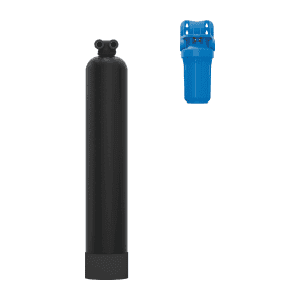
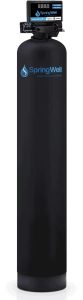
If you’ve been reading SpringWell water filtration systems reviews for treated municipal water, this is the whole-home pick that aims to make water taste and smell cleaner everywhere you use it. Instead of only improving drinking water at one faucet, it treats the water as it enters your home, so the changes show up in cooking, showers, and even ice cubes.

If you’re narrowing down the best SpringWell water filter shortlist for treated municipal water, the approach here is media-based and built around contact time, which means more of your incoming water actually interacts with the treatment bed rather than rushing through. You’re working with a KDF bed made from a copper/zinc alloy that targets chlorine and other harmful contaminants, so that sharp “chlorine bite” starts fading in the places you notice it most.
The system pairs that with catalytic carbon for organic contaminants, which is where a lot of taste-and-odor issues live. [1] In daily use, that translates to water that smells cleaner at the sink and feels less harsh in a steamy shower, without you needing to change your routine.
If you want to get specific about what it reduces, this system targets disinfectants and a wide range of chemical contaminants. It reduces chlorine and chloramine, plus haloacetic acids, MTBE & TTHM, and a long list that includes PFOA, PFAS, PFOS, herbicides, and pesticides. The practical win is that the “treated water” smell and flavor stops following you from room to room.
Sizing is where this system stays practical for real households. You choose a model based on bathrooms and service flow—9 GPM for 1–3 bathrooms, 12 GPM for 4–6 bathrooms, or 20 GPM for 7+ bathrooms—so showers, dishwashing, and laundry don’t feel slowed down when the house is busy.
Maintenance stays predictable and spread out. The sediment filtration stage is 5 microns, so it catches sand, silt, and fine grit before it can clog up the rest of the system, and you replace that pre-filter about every 6–9 months. The main media is designed for replacement every 10 years or 1 million gallons, so the long-term routine feels steady rather than constant.
Pros:
Cons:
If you’ve been combing through SpringWell water reviews for well water issues, this system is built for the headaches that show up as stains and strong odors—specifically iron, sulfur, and manganese. If your water leaves orange or dark marks on fixtures, or you deal with that “rotten egg” smell, this is the kind of treatment that changes the feel of your home fast.

The core method is air-injection oxidation, which is a practical way to deal with dissolved contaminants that don’t filter well until you transform them. Water passes through an air pocket at the top of the tank, so iron, sulfur, and manganese oxidize and become easier to capture instead of staying dissolved and slipping through.
Once oxidized, those contaminants get trapped in a greensand fusion media bed. The day-to-day benefit is straightforward: less staining on sinks and toilets, fewer odor hits when you turn on a hot shower, and water that feels cleaner for laundry and dishes.
Performance here is tied to clear concentration limits, so you know what it’s meant to handle. It removes up to 7 PPM iron, up to 8 PPM hydrogen sulfide, and up to 1 PPM manganese. That means the system targets the most common “well water tells” that push people to start shopping in the first place.
Backwashing is what keeps this kind of filter working, and the ownership experience leans into automation. The system flushes captured contaminants out to a drain, then resets the air pocket so it’s ready for the next cycle. It uses an Empress Vortech tank designed for fast, thorough cleansing, so the media bed stays effective without you constantly babysitting it.

Control and sizing are built around real household needs. A Bluetooth head lets you adjust settings like air draw and backwash cycles from your phone, so you can dial in the routine without hovering over a control panel. You also get two service-flow options based on bathrooms: 12 GPM for 1–4 bathrooms, or 20 GPM for 4+ bathrooms, so the system keeps pace during peak use.
The operating range makes it easier to fit into typical home plumbing conditions. It runs from 25–80 PSI, works with water temperatures from 36–120°F, and fits a pH range of 6.5–10. In normal use, that means you’re working with a system that’s built to live in a utility space and quietly do its job in the background.
Pros:
Cons:
If you’re shopping after reading SpringWell water softener reviews, this is the type of whole-home upgrade that tackles the daily annoyances of hard water. You already know how it shows up: spots on glassware, scale buildup, and soap that never feels like it rinses clean.

The system uses ion exchange, which means the resin bed swaps sodium or potassium chloride for hardness minerals like calcium and magnesium. The everyday payoff is that water behaves differently—soap lathers more easily, showers feel cleaner, and it becomes easier to keep sinks, tubs, and fixtures looking fresh. [2]
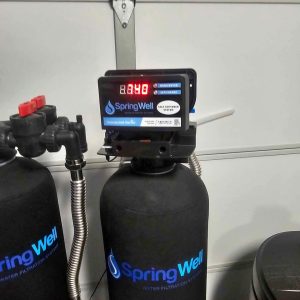
A key quality-of-life detail is how regeneration is triggered. The valve measures your water use by the gallon, then regenerates based on demand rather than running on a fixed timer. That means the system’s cleaning cycle stays aligned with your household rhythm instead of regenerating just because the calendar says so.
Sizing keeps things realistic for larger homes. Service flow rates scale by bathroom count: 11 GPM for 1–3 bathrooms, 13 GPM for 4–6 bathrooms, and 20 GPM for 7+ bathrooms. In practice, that means you can shower, run appliances, and do laundry without the softening feeling like a bottleneck during busy hours.
Capacity scales up the same way. You’re choosing between 32K, 48K, or 80K grain capacity options, which helps the system keep delivering consistent soft water behavior before it needs to regenerate. The result is a steadier “soft water feel” even when your household demand spikes.
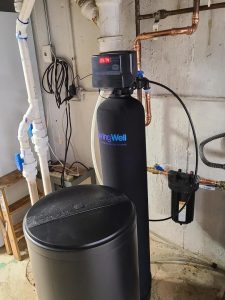
Ongoing ownership comes down to salt and a manageable routine. In normal use, you typically go through a 40 lb bag of salt every 1–2 months depending on water usage, so topping up becomes a periodic task instead of a constant chore. Regeneration typically averages about every 14 days, which makes the routine predictable without you needing to micromanage it.
The connected Bluetooth head brings convenience to the parts you actually adjust. You control things like regeneration timing and backwash cycles from your phone, so you can check in and make changes without standing next to the tanks. For many households, that’s the difference between “I’ll deal with it later” and “this is easy to keep dialed in.”
Pros:
Cons:
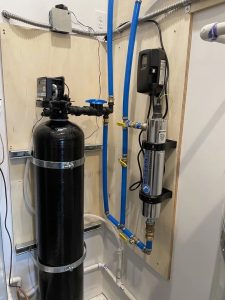
If you’ve been scanning SpringWell water filter reviews and your concern is microbial safety, UV is the “peace of mind” layer that fits that goal. This system targets microbiological issues and kills 99.9% of harmful pathogens, viruses, and bacteria, so you get whole-home protection that doesn’t depend on smell or appearance to feel reassuring.
The system is positioned to address organisms that worry homeowners the most. It targets issues that include E. coli, Cryptosporidium, and Giardia, so you’re covering pathogens that matter when you want confidence in the water used for showers, brushing teeth, and daily sink use. [3]
Performance is built to keep up with household demand. You’re working with a 15 GPM system and a 30 mJ/cm² UV dose, so the treatment is designed to match normal whole-home flow instead of forcing you into slowdowns when the house is busy.
One of the most practical parts of ownership is how clearly the system communicates status. The controller is a constant-current electronic power source housed in a splash-proof case, so it’s built for utility-room realities. A full-color LCD shows remaining lamp life and fault codes, which means you get clear information instead of guessing whether everything is running properly.
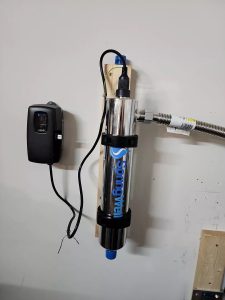
If you want even more monitoring, the controller includes an expandability port for an optional UV sensor module that monitors UV intensity. That’s a direct “how strong is the UV right now?” check, which helps if you like having a more measurable status signal.
Fit and maintenance matter with UV, and this system spells out both. It uses 1" MNPT fittings and supports a 10–150 PSI pressure range, so it works across a wide range of typical home pressures. It’s rated for water with hardness under 7 GPG, iron under 0.3 PPM, and tannins under 0.1 PPM, and you replace the lamp every 365 days. Pairing it with a sediment filter ahead of the UV helps keep the water clearer, so the UV treatment stays consistent in normal use.
Pros:
Cons:
If you’re doing a SpringWell water filter comparison and your biggest worry is lead or cyst-level filtration, this system is built around whole-home confidence. It treats the entire house at a very fine filtration level, so you’re not only protecting one drinking-water faucet—you’re covering cooking, brushing teeth, and showers too.
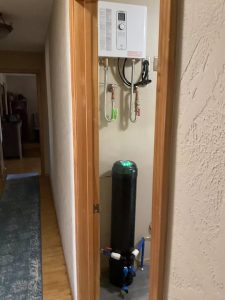
Filtration here focuses on extremely fine particulate control. The system runs whole-house at a 0.5-micron nominal filtration level, which means it targets very small particles instead of only catching the obvious grit. In daily use, that tighter filtration helps you feel more certain about what’s coming out of the tap.
Lead is handled in a way that matches how it actually shows up in water. [4] This setup targets both particulate lead—tiny bits that behave like grit—and soluble lead, which is dissolved and invisible. The practical result is that you’re not relying on a single approach for a problem that comes in two forms.
The system’s reduction claims are clear and strong, and they directly connect to everyday routines. It removes more than 99.95% of lead, so your coffee water, pasta water, and drinking water feel far less like a question mark. It also removes more than 99.95% of chlorine and chloramine, which is where that harsh “disinfectant” smell often hits hardest in showers and sinks.
Cyst reduction is part of the same whole-home confidence story. It removes more than 99.95% of Giardia and Crypto, so you get a high level of filtration for contaminants people worry about even when the water looks perfectly clear.
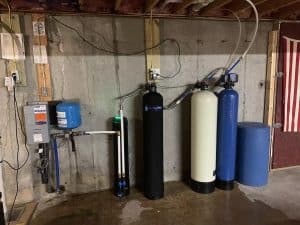
Capacity and flow shape how this feels in real use. The system is built around a 100,000-gallon capacity with an 8 GPM service flow rate, so you plan around your peak household demand while still getting whole-home treatment. Filter replacement is tied to either 100,000 gallons or one year, which keeps the ownership schedule predictable.
One more practical ownership detail: it includes a digital notification head with a color-coded LED system that monitors water and flow rate. That means you get a clear visual cue for filter changes instead of trying to remember dates or guess based on taste alone.
Pros:
Cons:
This guide helps you sort through the most important decision points—what problem you’re solving, how the system fits your household demand, and what kind of maintenance routine you’ll actually stick with—so you end up with a setup that feels right every day, not just on install day.
When you’re sorting through SpringWell water filtration reviews, the fastest way to narrow your choices is to name what keeps bothering you. If the water smells like disinfectant or has an off taste, you’ll want a whole-house filter that targets chlorine and chloramine so the change shows up in drinking, cooking, and showers.
If the problem is physical buildup—spots, scale, and soap scum—hardness is the likely driver. In that situation, a salt-based softener changes the day-to-day experience more than a taste-focused filter because it changes how water behaves with soap, skin, and appliances.
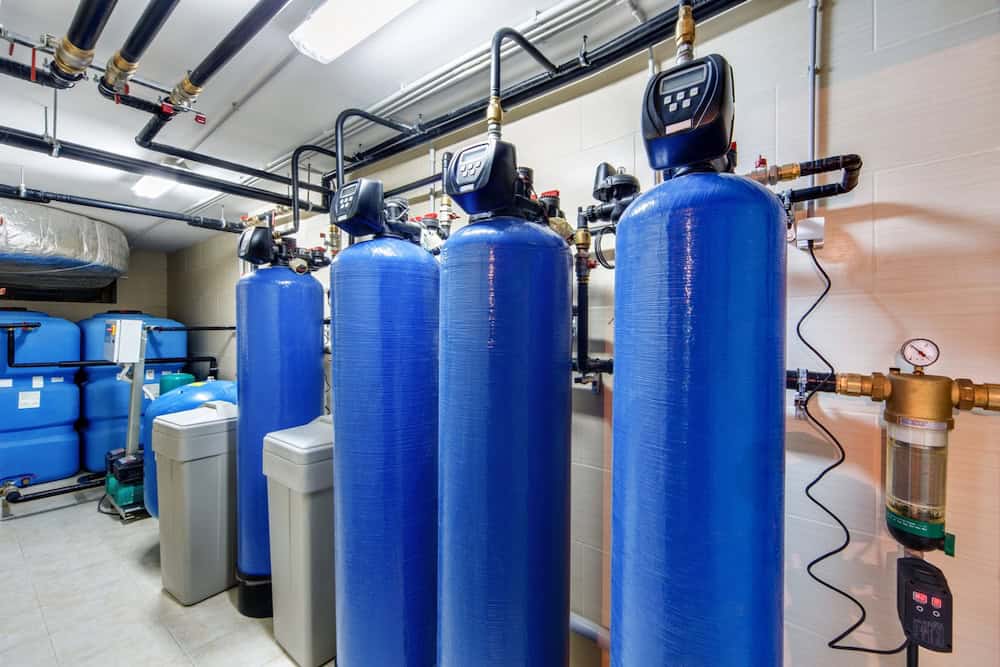
Different problems need different tools. A media-based whole-house filter is built around contact time and targeted contaminant reduction, which is why it fits best when taste, odor, and common chemical contaminants are the priority.
Well-water issues often behave differently. When iron, sulfur, and manganese are the drivers, oxidation plus media capture is the more direct path—turn the dissolved contaminants into something removable, trap them, then backwash them out so the system stays effective over time.

Whole-house systems live or die by how they feel when the home is busy. If you have multiple bathrooms running at once, service flow rate matters because it determines whether showers and appliances still feel normal during peak demand.
SpringWell’s city-water whole-house filter and its well-water system both offer sizing based on bathroom count, and the salt-based softener does the same. When you match the size to your home, you get a treatment setup that stays consistent instead of feeling strong at first and strained later.
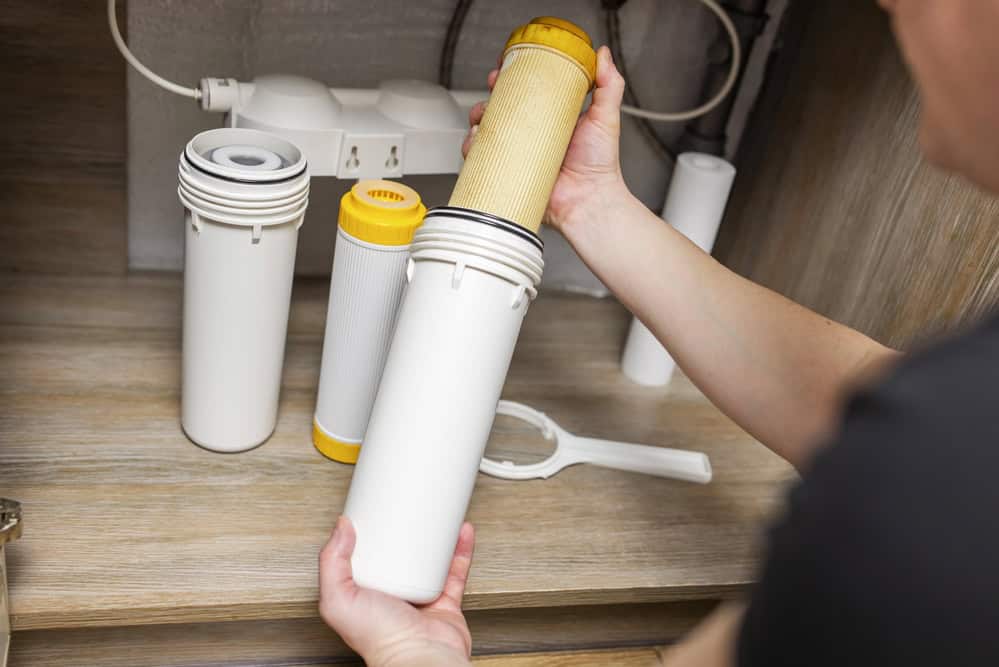
Across SpringWell water filtration systems reviews, the best system is the one you keep running properly. Some systems ask for more frequent attention—like a pre-filter replacement every 6–9 months or a yearly lamp replacement—while others push the big maintenance much farther out, like main media designed for replacement every 10 years or 1 million gallons.
If you like a clear reminder system, pay attention to monitoring features. A color-coded LED that tracks water and flow rate, or a controller that shows lamp life and fault codes, turns maintenance from guesswork into a simple checklist.

Sometimes your best setup isn’t one system—it’s the right combination. If your priority is microbial protection, UV is the piece that focuses on pathogens, and it works best when the water feeding it stays within the rated conditions and is kept clearer with upstream sediment filtration.
If your concern is whole-home confidence in lead and cyst filtration, a fine-filtration system that targets both particulate and soluble lead changes how you feel about water used for drinking, cooking, and hygiene. The key is aligning the system’s service flow and replacement rhythm with your household demand so it stays reliable in normal use.
If you want the simplest whole-home upgrade for treated municipal water, the SpringWell Whole House Water Filter System fits best. It focuses on chlorine and chloramine reduction, offers multiple service-flow sizes by bathroom count, and keeps long-term maintenance predictable with a long main-media replacement window.
If you’re on well water and you’re tired of stains and strong odors, the SpringWell Whole House Well Water Filter System is the most targeted match. It’s built around air-injection oxidation and a media bed that captures oxidized iron, sulfur, and manganese, and it backwashes contaminants out to a drain so day-to-day ownership stays hands-off.
If hard water is the daily frustration, the SpringWell Salt Water Softener System is the one that changes the feel of water throughout your home. Metered regeneration based on gallons used keeps the routine aligned with how your household actually uses water, and the sizing options help it keep up during peak demand.
For households prioritizing microbial protection, the SpringWell UV Water Purification System brings a clear monitoring experience and a straightforward yearly lamp replacement rhythm. And if your biggest priority is whole-home confidence in lead and cyst filtration, the SpringWell Lead & Cyst Removal System offers fine nominal filtration with clear reduction targets and reminder-style monitoring.
To wrap it up, choose based on the problem you want to stop noticing every day—taste and disinfectant smell, staining and odors, scale and soap scum, microbial worries, or lead and cyst filtration. Then scroll back up to the product list, pick the system that matches your water and your household flow needs, and you’ll end up with the best SpringWell water filters lineup for your home.