This article may contain affiliate links. I may earn a small commission at no extra cost to you. Learn More

Menu

If you’re tired of hauling jugs, or you just want more control over what goes into your coffee, tea, and cooking, these My Pure Water reviews will help you pick a home water distiller that fits your routine. Distillation works by heating water into steam and then cooling it back into liquid, so you end up with a fresh supply you can keep on hand for daily use.
The real decision isn’t whether distillation makes sense—it’s which style fits your life. Some systems run automatically with built-in storage, while others sit on the counter and make water in batches. This roundup helps you pick the setup that matches your space, your household demand, and how hands-on you want to be.
To narrow this down, I took the same practical approach I use in My Pure Water reviews and compared key ownership details like daily production, storage, water delivery, safety-focused design touches, and the ongoing routine you’ll live with over time. The goal is simple: help you pick a distiller that feels easy to use after the first week, not just impressive on paper.
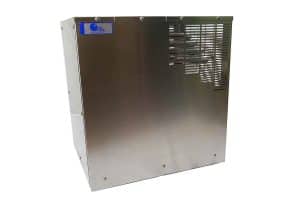
If you want a distiller that behaves like a built-in home appliance, the Mega Classic is the My Pure Water distiller that feels most “always-there” in this lineup. It runs automatically as you use water, so you don’t get stuck planning your day around batches. That means you keep a steady rhythm—fill a bottle, make soup, top off the kettle—without constantly thinking about refills.
Daily capacity and storage are the big story here. The system produces up to 12 gallons of vapor-distilled water per day and holds 10 gallons in a stainless steel tank, so you start the day with a real reserve. In normal use, that buffer helps you stay ahead of peak moments like cooking, entertaining, or just refilling multiple bottles back-to-back.
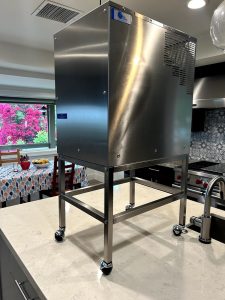
What really changes the day-to-day feel is water delivery. A built-in pump pushes distilled water to the places you actually use it—like a dedicated kitchen spigot, a pot filler, an ice maker, or a refrigerator—so you stop treating clean water like something you only pour from a jug. The pump is rated at 1.4 gallons per minute, so filling a pitcher feels quick and practical instead of slow and fussy.
It’s also designed to reduce the “gunk management” that makes some distillers feel high-maintenance. The system automatically flushes the boiling tank after the storage tank fills, so residue doesn’t just sit there waiting for your next cleaning day. If you have a drain available for the installation, you get the full benefit of that hands-off flush routine.
On the finish side, dual purity vents let VOCs escape, and an activated carbon post filter helps polish the water before it hits your glass. The build uses T-304 stainless steel and includes a safety shut-off that protects against overheating or leaks, so the system feels more protected in everyday ownership. If you want a high-capacity, multi-point setup that supports a busy household, this is the one that most clearly aims for “set it up, then just use the water.”
Pros:
Cons:
If you want distilled water without committing to plumbing, the Mini Classic CT keeps things simple in this My Pure Water distiller review. You fill it manually, run a cycle, and pour into the included glass jar—so it fits renters, smaller households, or anyone who just wants a portable countertop routine. It’s a very “make a batch while you do other things” style of ownership.
Each cycle produces about 0.8 gallons in about 3.5 hours, which sets expectations in a realistic way. Instead of chasing big storage, you build your supply steadily—make water while you’re working, cooking, or winding down, then pour and store what you need for the next stretch of the day.

Material choices are a big part of the appeal. The unit uses high-quality 304-grade stainless steel, and the purification process keeps the water from contacting plastic, so the water path feels more intentional. [1] You also get a one-gallon glass jar with a handle and a pour-through lid, and it’s listed as BPA-free and lead-free, so serving water feels familiar and easy.
Safety features support the “set it and walk away” vibe. It doesn’t boil dry, and the automatic timer and safety shut-off help keep operation controlled. That translates to fewer worries when you’re juggling dinner, dishes, or just a busy evening at home.
For water finishing, dual purity vents let VOCs escape, and a sewn activated carbon post filter polishes what’s left—without relying on glue or plastic in the filter construction. Maintenance is straightforward and frequent enough to stay easy: rinse the boiling tank after each cycle, clean it about once a month, and replace the carbon filter about every three months. If you want distilled water with minimal setup and a clear, repeatable routine, this countertop approach fits nicely.
Pros:
Cons:
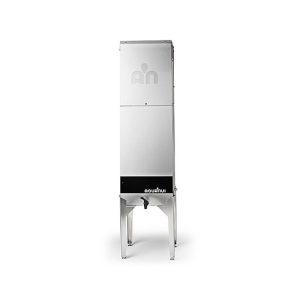
If your main goal is high output with a strong storage buffer, the AquaNui 12G leans hard into volume. It produces up to 12 gallons per day and pairs that with a 15-gallon storage tank, so you get the “draw water whenever you want” feel without watching the level constantly. In normal use, that’s a relief for busy households that go through water quickly.
The production rhythm helps you understand how it behaves day to day. It makes about one gallon every two hours, so supply rebuilds steadily through the day rather than relying on a single big run. That translates to fewer moments where you go to fill a bottle and realize you’re behind again.
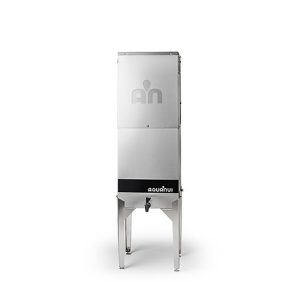
It’s also shaped around practical placement. The unit uses a smaller footprint and includes built-in legs plus adjustable feet, so you can level it and keep it stable where it lives. You also get a convenient spigot, so grabbing water feels more like using a dispenser than doing a whole pouring routine.
On the front end, an activated carbon pre-filter reduces VOCs and chemicals like chlorine before distillation. [2] That means the system tackles those compounds early, so the overall process feels more controlled from start to finish. It also includes a steam sterilization feature, which supports a cleaner long-term routine without making upkeep feel like a constant teardown.
Because it connects to a water line and comes with a saddle-tapping valve, it’s geared toward a more “installed” experience than countertop batching. Size-wise, it’s about 12.75 inches wide and 12 inches deep, and stands about 53 inches tall with the 15-gallon tank, so it reads like a slim vertical setup rather than a sprawling countertop appliance. If you want high daily capacity, big storage, and a compact footprint, this one is built for that exact combination.
Pros:
Cons:
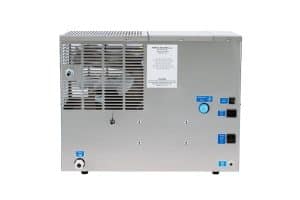
If you like the idea of an automatic distiller with built-in storage but you don’t need the highest daily output, the Midi Classic sits in a comfortable middle zone. It produces up to 7 gallons per day and stores about 5 gallons in a built-in tank, so you get a steady reserve without managing batches. Because it runs as water is used, the unit keeps your supply topped off in the background.
Safety-focused design choices shape how it feels to live with. The system uses 304-grade stainless steel, and it’s built with double cladding to avoid exposed hot surfaces. That translates to a more comfortable experience around the unit in day-to-day life, especially in a busy home where people move through the space.

It also takes a thoughtful approach to the “what ends up in your glass” question. Dual vents let volatile gases escape, and an activated carbon post filter helps finish the water before you drink it. The result is water that feels clean and neutral for the everyday stuff—iced water, tea, cooking, or refilling bottles.
Setup is geared toward a water-line connection, and it includes a saddle-tapping valve plus 25 feet of tubing, so you have what you need to route water to the system. Placement matters: it’s set at least 18 inches off the ground and needs about three inches of clearance around the unit for ventilation. Those are small details that make the difference between a system that runs smoothly and one that feels crammed into the wrong spot.
The maintenance rhythm stays predictable once it’s installed. You drain the boiling tank about every 2–3 weeks, clean it about monthly, replace the carbon filter about every 3–6 months to one year, and steam-sterilize about every 6 months to one year. If you want an automatic distiller that stays hands-off day to day but doesn’t require a massive storage tank, the Midi Classic fits that lane well.
Pros:
Cons:
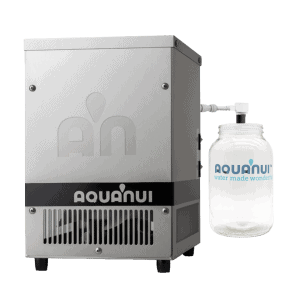
If you want distilled water at home without committing to plumbing, the AquaNui Countertop Water Distiller keeps the setup simple and affordable-feeling. You place it on the counter, pour water in, and let it run a batch. Each cycle yields about 0.8 gallons, so you can build a steady supply for drinking, cooking, and topping off a kettle without needing a big storage tank.
A big part of the ownership experience here is safety and long-term reliability. This unit is engineered not to boil dry, so you don’t have that nagging worry about an overheated machine if you get distracted. That same design choice also helps prolong the life of the heating element, which matters when you’re using it regularly. The upshot is a countertop routine that feels steadier and less fragile over time.
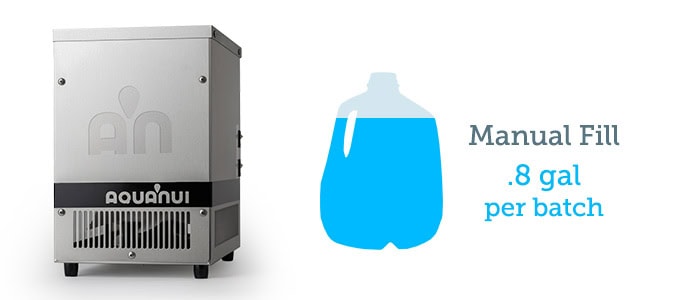
Batch timing is straightforward and predictable. One run takes about 5.5–6 hours, so it fits naturally into an overnight cycle or a “let it run while you’re busy” rhythm. In normal use, you end up planning around one or two batches rather than constantly thinking about refills. That makes it a nice fit for small households and tighter spaces where you want a reliable routine more than a high-output system.
The water finishing steps are what make the end result feel more polished in the glass. Dual volatile vents help remove chemicals that boil at lower temperatures than water, so you’re not trapping those in the condensation process. Then the included VOC filter uses carbon to absorb residual gases, so your distilled water tastes cleaner and more neutral for coffee, tea, and ice.
Maintenance stays organized because the schedule is clearly laid out. You drain the boiling tank weekly or about every 12 gallons, and you clean the boiling tank monthly or around every 30 gallons, so buildup doesn’t get a chance to become a bigger job. Every three months, you change the VOC filter, clean the exterior, and run steam sterilization, which keeps ownership feeling like a simple rhythm instead of a constant project.
It’s also easy to place and power in a typical kitchen setup. The footprint is about 10 inches wide, 13 inches deep, and 15 inches tall, so it doesn’t sprawl across your counter. It draws 650 watts and pulls 6 amps at 120V, so it plugs in like a normal small appliance. You also get a glass jar for collection, and the warranty runs 15 years with a 2-year full warranty on electrical parts, so you get strong peace of mind for a budget-friendly entry point.
Pros:
Cons:
This quick guide helps you decide which distiller format matches your space, your routine, and how much water you want ready at any given moment. The goal is to avoid overbuying for features you won’t use—or underbuying and ending up frustrated when the routine doesn’t match your household pace.
In this My Pure Water comparison, a countertop batch distiller is all about flexibility. You fill it when you want, run a cycle, and pour into a jar, so it works well when you don’t want plumbing involved. That kind of setup feels especially natural if you’re making distilled water mostly for drinking, coffee, tea, and cooking in smaller daily quantities.
An automatic storage system leans the opposite direction: it produces water in the background and holds a reserve, so you don’t have to think about timing cycles. If you know you’ll use distilled water constantly—or multiple people will pull from the same supply—built-in storage helps the routine feel effortless.
Daily production and storage capacity decide how “ready” your water feels. Higher output paired with a large tank supports busy households because your reserve stays deeper, so you’re less likely to run out during heavy-use stretches. That’s the difference between casually filling pitchers whenever you want and managing water like a limited resource.
Smaller built-in storage still works well when your use is steady but not extreme. In normal use, it gives you the comfort of having distilled water on tap without dedicating as much space to a large tank. The right match comes down to how often you refill bottles, how much you cook, and how many people pull water throughout the day.
Installed systems typically connect to a water line, so you want to think about where that connection makes sense in your home. Some setups have specific placement rules—like being elevated off the ground and having clearance around the unit—so ventilation and access stay easy. Getting placement right up front helps the system feel like part of your home instead of a workaround.
Delivery also changes daily convenience. If you want distilled water at a dedicated kitchen spigot, or you like the idea of supplying an ice maker or refrigerator, a system with a built-in pump supports that kind of multi-point use. If you’re happy pouring from a jar on the counter, you can keep things simpler and avoid the added installation considerations.
Every distiller has a routine, and the best one is the routine you’ll actually keep up with. Some systems call for regular draining and monthly cleaning, and many use carbon filtration as part of the finishing process—either before distillation, after distillation, or both. [3] When you choose a unit, think about whether you prefer small, frequent touchpoints or a more automated approach that reduces day-to-day attention.
It also helps to look at how the system supports cleanliness over time. Features like steam sterilization and automatic draining are there to keep upkeep from turning into a bigger project. When maintenance feels simple and predictable, you’re far more likely to stay consistent—and that’s what makes the investment feel worth it.
In these My Pure Water distiller reviews, the Mega Classic fits best when you want automatic production, big storage, and water delivery to places like a kitchen spigot, fridge, or ice maker. If you prefer a simple countertop routine with no plumbing, the Mini Classic CT works well when you’re comfortable making batches and pouring into a glass jar for daily drinking and cooking.
For higher-volume automatic storage in a slimmer footprint, the AquaNui 12G makes sense when you want a large tank and steady production throughout the day. And if you want an automatic setup with built-in storage but a more moderate daily output and tank size, the Midi Classic sits nicely in the middle.
Your best move is to choose the format that fits your home and your habits. Scroll back up to the product list, pick the model that matches your space and your daily water demand, and you’ll end up with a setup that feels easy to use long after the first week.