This article may contain affiliate links. I may earn a small commission at no extra cost to you. Learn More

Menu

If your tap water has that sharp “pool-like” bite, a lingering odor, or just an aftertaste that makes you reach for something else, a filter pitcher is one of the simplest ways to make everyday drinking water more enjoyable. You fill it, park it in the fridge, and you’ve got better-tasting water ready for a cold glass, coffee, tea, and cooking.
The tricky part is that pitchers don’t all behave the same. Some focus on the basics—cleaner taste and smell—while others go after a broader list of contaminants or add extra hygiene-focused features. This roundup helps you choose the best water filter pitcher for what you notice at the tap, how you like to refill and pour, and how you want maintenance to fit into your week.
To build this list, I compared product information carefully and focused on options that clearly explain what they’re built to do in daily use—how they fit in the fridge, how the routine feels at the sink, and what kind of filtration approach you’re actually living with over time.
If you want a pitcher that’s all about broad coverage, this one puts that goal front and center, which is why it often lands among the best water filter pitchers for people who want more than basic taste cleanup. It pairs a 100-gallon filter rating with performance data that includes reductions like greater than 99.68% for chloramine, greater than 99.96% for nitrate, and greater than 99.54% for fluoride. [1] That translates to a “more settled” feeling when you pour a glass, especially if you’re trying to move beyond simple taste cleanup.
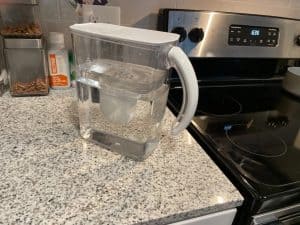
The pitcher itself holds 80 ounces—about 10 cups—so it fits the normal fridge-pitcher rhythm without feeling tiny. You top it off after dinner, slide it onto a shelf, and you typically have enough for morning coffee, cooking, and a couple of refills without immediately heading back to the sink. That steady capacity makes the routine feel easy instead of constant.
Filtration is built as a three-stage approach, starting with a screening layer that targets sediment. In practical terms, you’re less likely to see grit or fine particles end up in your glass when your water has that occasional “stuff floating in it” moment. From there, it moves into a proprietary blend of filtration media, so you’re relying on more than one layer to do the heavy lifting.
There’s also antimicrobial technology in the filter, which helps keep the filter itself from getting unpleasant while it sits between pours. That matters in real life because pitchers spend a lot of time in the fridge—especially in homes where you pour a glass here and there throughout the day. The result is a pitcher that’s designed to stay “fresh-feeling” as part of your normal routine.
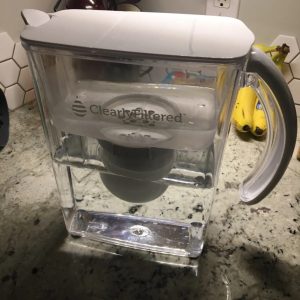
For trust signals, this pitcher ties its performance framing to NSF/ANSI standards 42, 53, 401, and 473. You don’t have to decode every number to feel the benefit: it gives you a clearer sense that the performance targets go beyond a vague “better water” promise. That extra clarity is helpful if you’re choosing with long-term confidence in mind.
On materials and fit, you’re working with Tritan that’s BPA/BPS-free, so the pitcher feels like it matches the purpose—cleaner water, without extra plastic worry. It stands about 11.25 inches tall and about 10 inches long, which lines up with a standard fridge-pitcher footprint. If you’re using municipally treated tap water and you want wide coverage in a familiar pitcher format, this one fits that lane well.
See my Clearly Filtered reviews if you'd like to learn even more about this market-leading water pitcher.
Pros
Cons
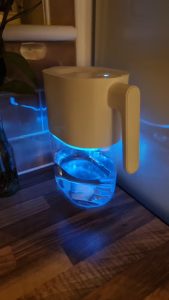
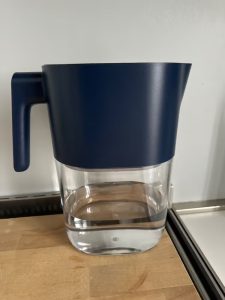
This pitcher stands out because it adds UV-C purification into the lid, so the routine isn’t only about what happens during filtration. The PureVis cycle runs UV-C light to help prevent bio-contaminant growth and reduce reverse contamination. In day-to-day use, that leans into a “keeps itself cleaner” vibe—especially when the pitcher sits in the fridge between pours.
The big practical win is that it addresses the way water can feel after it’s been sitting. If you’ve ever poured a second-day glass and felt like something was just a bit “off,” this design aims to reduce that problem. You end up with a pitcher experience that’s more about consistent freshness, not just improved taste.
Filtration still matters here, and you choose between two Nano Zero filter options: Essential or Advanced. Essential targets chemicals like chlorine and certain heavy metals, which fits the everyday “tap water bite” problem many people notice. Advanced expands the scope with items like lead, particulates, benzene, and specific PFAS compounds such as PFOA and PFOS, which gives you a clearer path if your priorities go beyond taste alone.
For performance framing, both filter options are tied to testing to NSF/ANSI 42, 53, and 401. The benefit isn’t about memorizing standards—it’s that you’re shopping with a more defined target instead of guessing what “better” means. That kind of structure helps you feel more certain about what you’re choosing. [2]
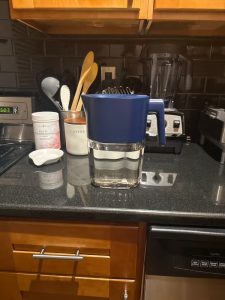
Maintenance is a more frequent rhythm: the filter is rated for up to about 60 gallons, or roughly two months. That means you’re swapping cartridges more often than long-life setups, but you’re also keeping the filtration media on a tight refresh schedule. The pitcher tracks filter life intelligently, so the reminder piece feels automatic instead of mental overhead.
The lid is rechargeable, which keeps the UV-C feature practical in real life—you plug it in rather than dealing with disposable batteries. There’s also a two-year warranty, which helps it feel like a longer-term kitchen tool. If you like the idea of the best water purifier pitcher style that leans into freshness as much as filtration, this pitcher is built for that mindset.
Pros
Cons
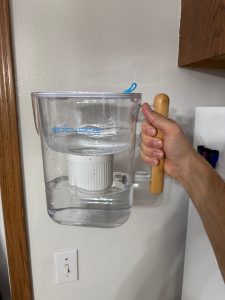
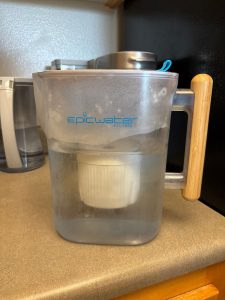
This pitcher is for people who want their pitcher to do more than tame chlorine taste, and it often comes up in water filter pitcher reviews for that reason. It highlights reduction numbers like 97.8% for fluoride, 99.6% for PFAS, and 99.94% for lead. The practical result is a stronger sense of confidence when you pour a glass—especially if those specific contaminants sit at the top of your worry list.
A key part of the approach is sub-micron filtration. In everyday terms, you’re filtering at a finer level than pitchers that mainly focus on larger particles and taste. That matters when you’re filling water for drinking, tea, cooking, or mixing—because the pitcher is set up to tackle smaller stuff rather than only changing the smell.
For trust framing, it’s positioned around NSF/ANSI standards 42, 53, 401, and P473. The real-world benefit is simple: you get a clearer performance “lane” instead of relying on vague promises. [3] If you’re choosing based on specific concerns like fluoride and PFAS, that extra structure helps your decision feel less like a gamble.
The day-to-day handling of this Epic Water Filters pitcher is designed to remove common pitcher annoyances. A flip-top lid makes sink refills easier because you’re not taking parts on and off every time. There’s also a pouring barrier in the upper reservoir that helps prevent unfiltered water from spilling out while you pour, so the water you’re drinking stays aligned with what’s already filtered.
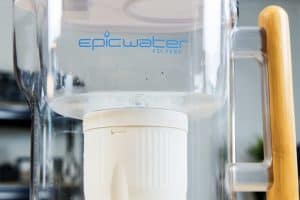
You also get a clear upper reservoir, which makes the routine more intuitive. You can glance at it and know whether you should wait a bit longer before putting it back in the fridge. That small detail matters when you’re making coffee in a hurry and don’t want to guess whether the water is ready.
Maintenance stays structured: the filter is described as producing 150 gallons, and the lid timer runs a 90-day countdown. That timer gives you a simple “don’t forget” system, so filter changes don’t sneak up on you. If you want a strong best water pitcher filter contender that keeps the routine tidy, this one matches that goal.
Pros
Cons
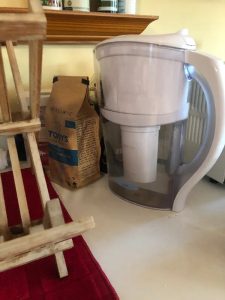
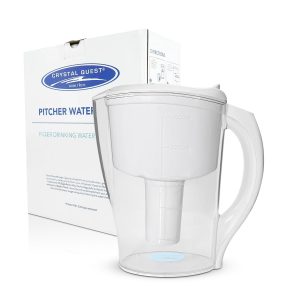
This is the most “multi-stage, technical” style pitcher in the lineup, and it’s a smart place to look if you’re doing a detailed water filter pitcher comparison across different filtration methods. The filter runs through four distinct steps, including redox alloy stages, an ion exchange resin stage, and carbon media. In plain language, it combines different materials that each play a specific role, so you get a more rounded “cleanup” feel than a basic single-media filter.
The ion exchange resin piece matters because it’s aimed at things you notice in the kitchen—like the way water behaves in a kettle or coffee maker, and how it feels when you’re cooking. The carbon media focuses on disinfectant taste and odor, so your water comes across more neutral when you drink it. Because the filtration is layered, it doesn’t feel like one filter material is being asked to do everything.
Where this pitcher really separates itself is filter life. The SMART filter cartridge is rated for up to 2,000 gallons, which in normal use lines up with roughly a 6–12 month rhythm. That means you spend less time thinking about replacement schedules, and the pitcher becomes a steady, low-hassle part of your fridge routine.
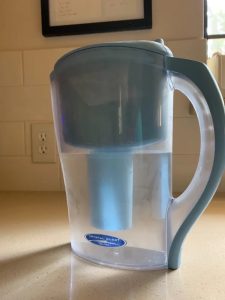
Capacity sits in the 8–12 cup range, which makes it feel familiar for families and frequent refills. You can keep it stocked for cooking water, a few bottles, and everyday sipping without it feeling undersized. The footprint stays slim—about 9 inches long, 4 inches wide, and 11 inches tall—so it’s easier to fit than bulkier pitchers that hog a shelf.
Setup is straightforward, but it’s more “do it once, do it right.” You soak the cartridge before first use, then run the first two full pitchers through and discard that water. After that, replacement timing is guided by real-life signals like shifts in taste, odor, or flow, so you pay attention to your water and the pitcher’s pace instead of a rigid calendar date.
Warranty coverage adds a bit of reassurance: there’s a limited one-year warranty on the pitcher and a 90-day warranty on the cartridge. If you want a long-life cartridge and a multi-stage approach that feels built for the long haul, this pitcher fits that style.
Pros
Cons
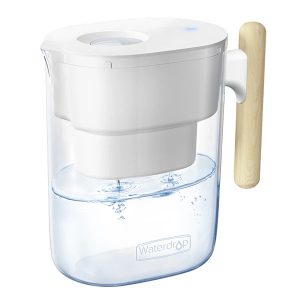
If you want a pitcher that simply makes the routine easier, this one leans into convenience first, which is why it often feels like the best water pitcher choice for busy kitchens. You get a 10-cup capacity, which is enough for bottle refills and a few glasses without constant trips to the sink. That size makes it feel like a dependable daily pitcher rather than a small “just for one person” option.
The lid design is built for quick refills without removing the cover. In real life, that means fewer awkward moments at the sink—especially when you’re refilling one-handed or trying to top it off while cooking. The routine stays smooth, so you’re more likely to keep the pitcher full instead of letting it sit empty.
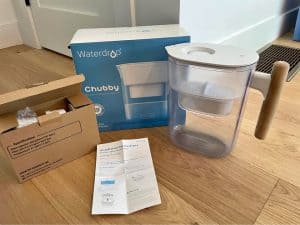
On filtration, it carries NSF 42 and NSF 372 certifications and is built to reduce chlorine taste and odor. That translates to water that tastes and smells cleaner in normal use, which is exactly what most people want when tap water has that harsh edge. The filter uses multiple stages, so it’s not relying on a single layer to handle everything. [4]
Filter life hits a comfortable middle ground: it’s rated for up to 200 gallons, which typically works out to around three months of normal use. That gives you a predictable cadence without feeling like you’re constantly replacing cartridges. It’s easy to build it into your routine—swap the filter, reset your expectations, and keep going.
The physical experience is thoughtful, too. You’re working with sturdy plastic and a natural wooden handle, so it feels secure when you pour. It’s designed to fit most fridge doors, which keeps cold water within reach without reorganizing your whole shelf layout.
A built-in life indicator helps you avoid guesswork. Instead of wondering whether the filter is “probably still fine,” you have a clearer nudge that keeps maintenance simple. If you’re looking for the best water filtration pitcher style that stays easy to live with, this one fits that need well.
Pros
Cons
This buyer’s guide helps you figure out what matters most before you pick a pitcher—so you end up with the right balance of filtration focus, daily convenience, and maintenance that actually fits your routine.
The easiest way to choose is to name the problem you’re trying to solve. If the biggest issue is disinfectant taste or a “pool water” smell, a pitcher built around taste and odor reduction will feel like an immediate upgrade in day-to-day use. You’ll notice it most when you pour a cold glass or make coffee—those are the moments where smell and aftertaste stand out.
If your concerns go beyond taste—like wanting broader contaminant reductions—pick a pitcher that clearly positions itself for that deeper cleanup lane. That usually feels like a different kind of purchase: you’re choosing for peace of mind, not just flavor. The right match makes your daily water routine feel both better and more reassuring. [5]

A pitcher only helps when it stays filled and ready, so the refill experience matters more than most people expect. If you like quick top-offs while you’re cooking, a design that supports easy refilling without fuss makes the whole thing feel effortless. You end up using it more often because it doesn’t interrupt your flow at the sink.
Think about where you’ll store it, too. A pitcher that fits comfortably on your shelf—or in the door—stays convenient, which keeps you consistent. When the pitcher fits your fridge layout, it becomes part of the kitchen instead of a constant reshuffle.
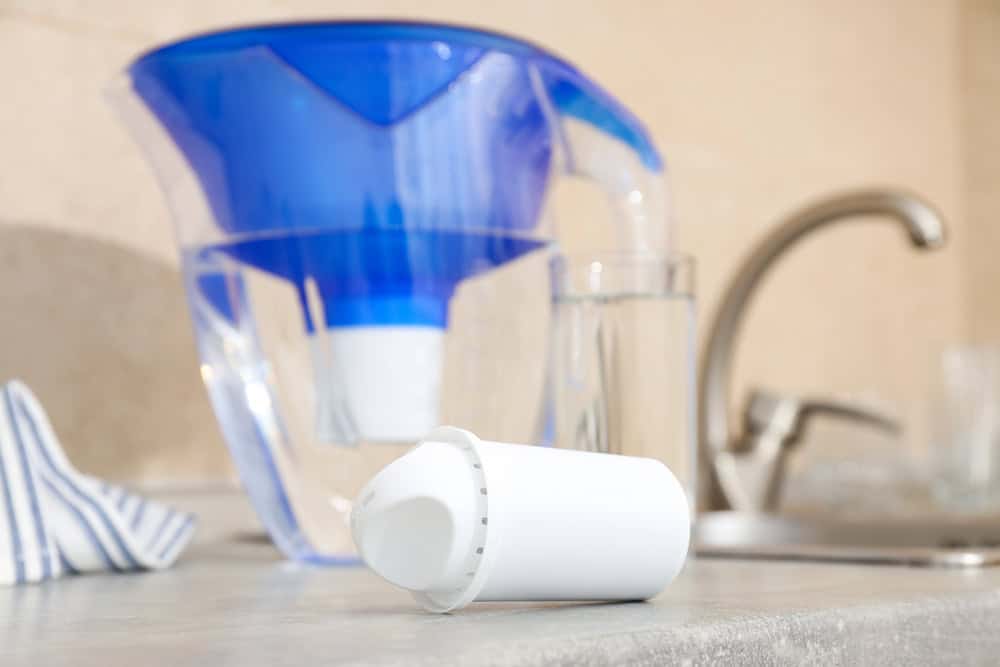
Filter life sets the tone for ownership. Longer-life cartridges mean you typically go months at a time without thinking about replacements, which suits people who want a “set it and forget it” rhythm. That kind of routine feels calm and low-effort, especially in busy households.
Shorter-life filters create a tighter refresh schedule, which some people prefer because it keeps the routine structured and frequent. A built-in timer, indicator, or tracking system makes this style much easier, because it removes the mental load. The best setup is the one that matches your attention span and your household’s water habits.
Some pitchers do more than filter—they change how the water “keeps” while it sits in the fridge. If you’re sensitive to water feeling stale after it’s been stored, a pitcher designed around freshness and internal hygiene can feel like a meaningful upgrade. In practice, that’s the difference between “it’s filtered” and “it stays pleasant over time.”
Other design choices—like a pouring barrier or a clear upper reservoir—sound small but matter constantly. They reduce common annoyances like accidental mixing or uncertainty about whether the water is ready. When those small frustrations disappear, the pitcher becomes something you rely on without thinking about it.
If you want broad, contaminant-focused coverage in a familiar 10-cup-style pitcher, the Clearly Filtered Water Pitcher is the best fit for that “wide scope and steady routine” goal. If you’re choosing specifically for fluoride and PFAS reduction with a pitcher that’s easy to refill and pour, Epic Water Pure Pitcher is the clearest match. If freshness and hygiene matter—especially when water sits in the fridge—LARQ Pitcher PureVis stands out with its UV-C approach.
For a low-maintenance, long-life cartridge and a multi-stage filtration style, Crystal Quest is built for people who want fewer replacement moments across the year. And if you’re mainly trying to fix chlorine taste and odor with an easy, fridge-friendly routine, Waterdrop Chubby Pitcher keeps things simple and consistent.
Pick the pitcher that matches what you notice from your tap and the routine you’ll actually keep. Then scroll back up to the lineup, re-read the “best for” cues, and choose from the best rated water filter pitcher finalists without adding extra friction.