This article may contain affiliate links. I may earn a small commission at no extra cost to you. Learn More

Menu

If your tap water has that “pool” smell, your coffee tastes a little off, or you’re just tired of guessing what you’re actually drinking—and you’ve been digging through NU Aqua reviews—it helps to narrow the decision fast. NU Aqua’s lineup covers very different use-cases—some systems treat the water you drink and cook with, while others clean up the water running through your whole home.
This roundup is here to make the choice feel simple. You’ll see what each setup is built for, what daily use looks like (filling bottles, making tea, doing dishes), and what kind of routine you’re signing up for once it’s installed or sitting on your counter.
To build this list of NU Aqua Systems reviews, I compared the key product details across NU Aqua’s whole-house filtration and reverse osmosis systems, focusing on practical differences that matter in real life—speed, space, maintenance signals, and how each option fits into your kitchen or home setup.
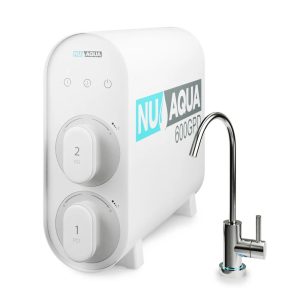
If you want purified water on demand without a bulky storage tank, this tankless under-sink setup fits that goal and sets the tone for a NU Aqua reverse osmosis review focused on speed and simplicity. It’s built around a direct-flow approach, so you’re not waiting for a reservoir to refill when you’re topping off bottles or filling a pot for cooking. The overall feel is “turn on the dedicated faucet and go,” which suits busy kitchens where you grab water all day.
You’re working with a 600 gallons-per-day rating, so the system is geared for faster fills and back-to-back use. That translates to less hovering at the sink when you’re refilling a large bottle or setting up a coffee machine reservoir. It’s the kind of output that keeps the routine moving, especially in households that pour a lot of drinking water.
Efficiency matters, too, and this one runs a 2:1 pure-to-waste ratio. In practical terms, you get two gallons of treated water for every gallon sent to the drain, so you waste less water while still getting reverse-osmosis-level purification. That’s an everyday win when the system becomes part of your normal rhythm.
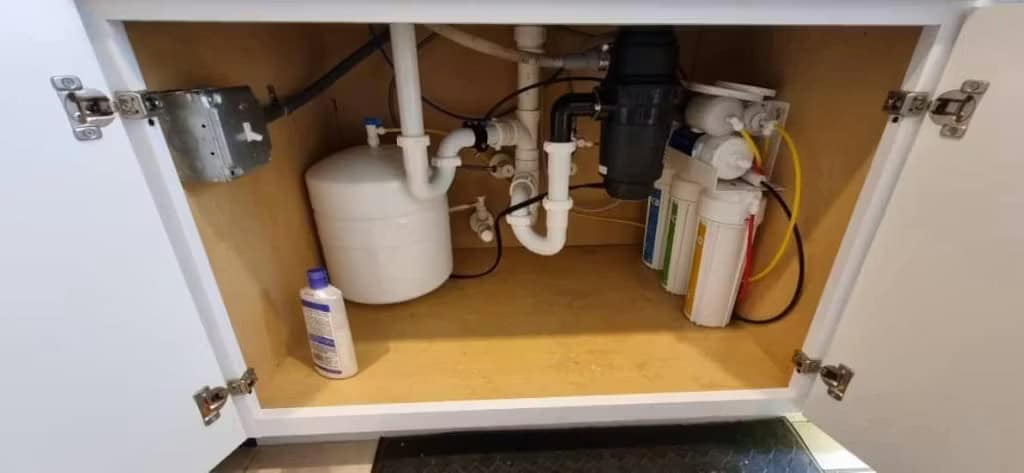
One standout is the smart LED faucet. It changes color to reflect water pressure changes, and it gives you a clear visual cue for filter replacement timing. The reason that matters is simple: you spend less time guessing whether something’s off, and you stay on top of maintenance without juggling reminders.
Filter changes are built to feel straightforward. The system uses tool-free, twist-lock filters, so swaps feel more like snapping in a cartridge than wrestling with housings under the sink. It also includes the key install pieces—like the power supply, feed water adapter, drain saddle, and quick-connect fittings—so you’re not stuck hunting down essentials mid-install.
For the treatment itself, this setup uses carbon and sediment stages alongside an RO membrane, so you get cleaner taste and odor upfront and deeper purification after that. [1] It also gives you the option to add UV sterilization, alkaline remineralization, or both, which is useful if you want extra finishing steps beyond standard RO. The result is a compact, fast, low-hassle RO routine that stays easy to manage once it’s in place.
Pros:
Cons:
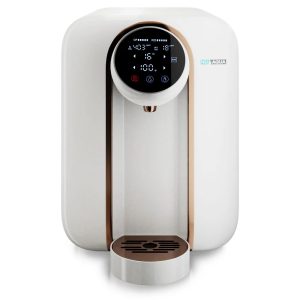
If you want RO-style purification without touching plumbing, this countertop unit keeps things simple, which is exactly what you want in a NU Aqua water filter review that prioritizes daily convenience. You plug it in, fill the reservoir, and you’re ready to pour. That ease makes it especially appealing when you don’t want an under-sink project or you prefer a setup you can move.
The reservoir holds 16 cups—up to about a gallon—so it’s sized for everyday drinking and cooking needs. In normal use, you’ll top it off as part of your routine, the same way you refill a kettle or coffee machine. One-touch automatic dispensing keeps the experience clean and consistent, so you’re not fiddling with complicated controls when you just want a quick glass.
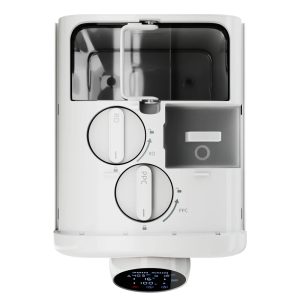
On the filtration side, the front end uses a sediment-and-carbon filter that targets dirt, rust, and debris while reducing chlorine and chloramine. That means the water you pour tends to lose that harsh “treated” smell that can show up at the tap. [2] It’s a noticeable upgrade for simple things like drinking plain water or rinsing produce.
From there, the system runs through a 75GPD reverse osmosis membrane with carbon, focusing on dissolved contaminants. The lineup mentioned includes metals like lead and arsenic, along with fluoride and nitrates, so you get a stronger purification step than basic carbon filtration alone. The practical payoff is a cleaner, more consistent baseline for water you drink and cook with.
This model is independently laboratory certified to NSF standard 58, and it’s built to remove up to 99.99% of pollutants such as lead, fluoride, chromium, arsenic, and chlorine. That kind of verification helps when you want more certainty behind the “why does this taste different?” moment. It also supports tap or well water up to 500 ppm TDS, which is useful if your incoming water tends to run high in dissolved solids.
Daily convenience is where it really feels like an appliance you’ll use. You get instant hot water at the touch of a button, so tea, instant oatmeal, and quick cooking water become a smoother routine. An on-screen TDS display lets you check dissolved solids at a glance, and filter replacement reminders keep upkeep from turning into guesswork.
Pros:
Cons:
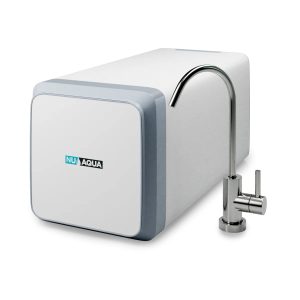
This is the “speed-first” tankless option, and in a NU Aqua Systems review lineup it’s the one built around frequent, fast refills. With a direct-flow design rated for 800 gallons per day, it’s built for heavy daily use—filling big bottles, topping off appliances, and pouring multiple glasses in a row without feeling slowed down. You get a fast, modern RO experience without a storage tank taking up room.
It also runs a 2:1 pure-to-waste ratio. So when the system becomes part of your daily water habit, you’re sending less water to the drain for the amount of treated water you collect. That efficiency pairs nicely with the high-output design, especially if you’re refilling often.
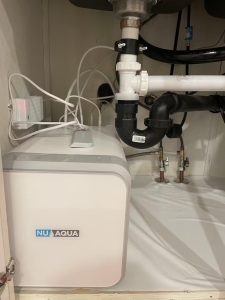
Space is another practical advantage here. It’s rated to fit in 25–50% of the space of standard RO systems, which can make a real difference in a crowded under-sink cabinet. In everyday terms, you keep more room for the stuff you actually store—cleaners, bins, extra trash bags—while still getting a full RO setup.
Filtration stays focused across four stages with a clear purpose. The early stages address sediment and chlorine-related issues, which helps clean up taste and odor before the water reaches the membrane. Then the RO membrane takes care of deeper purification by targeting dissolved contaminants, so the water you drink and cook with feels more consistent.
Maintenance is designed to feel quick and low-friction. The filters use a tool-free, twist-lock style behind a front cover, so you’re not dealing with complex housings during swaps. Each filter has its own indicator, which keeps the timing clear when life gets busy and you don’t want to guess.
It also includes an integrated booster pump built for low water pressure, which helps keep the experience steady in homes where pressure varies. With the included faucet, power supply, and the system’s compact format, this option fits best when you want tankless RO that prioritizes fast, frequent refills and simple upkeep.
Pros:
Cons:
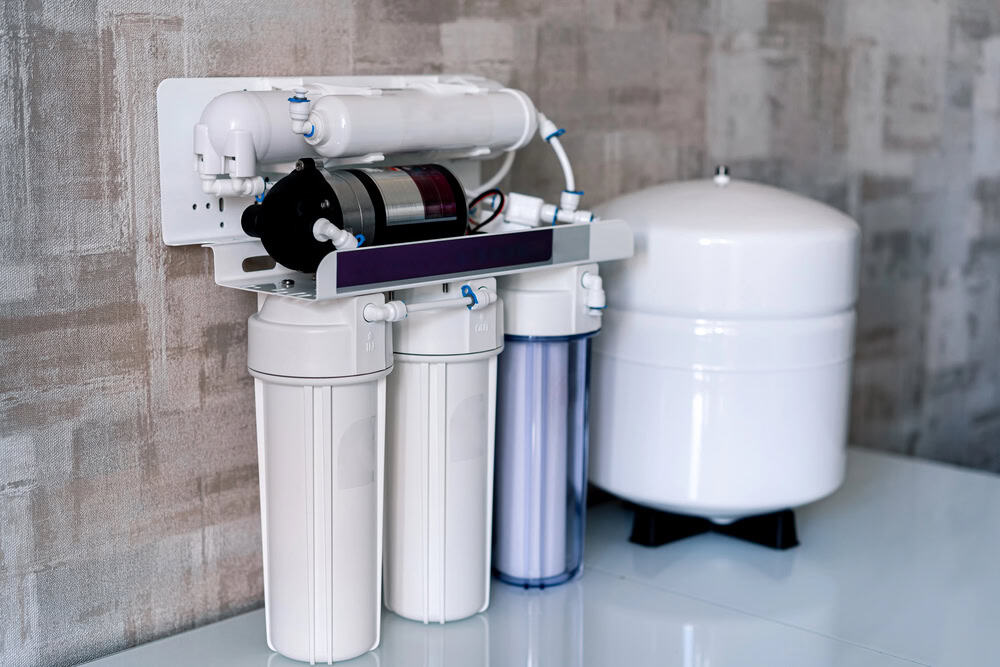
If you prefer the classic under-sink RO style—where you keep treated water ready in a tank—this model matches that approach and adds depth to a NU Aqua filters review that looks beyond the basics. It uses a 3.2-gallon storage tank, so when you reach for water, you’re pulling from a reserve that’s already prepared. That makes the routine feel consistent for drinking, cooking, and making ice.
The system is rated at 100 gallons per day, which suits everyday household drinking-water needs. In normal use, it’s the kind of setup that keeps up with regular refills without feeling finicky. You’ll especially notice the convenience when you need a few quick pours in a row.
Filtration follows a step-down sequence that cleans up water before it hits the RO membrane. It starts with a 1-micron polypropylene sediment filter to catch fine particles like silt and rust, so the rest of the system works with cleaner incoming water. Then it uses granular activated carbon and a coconut carbon block stage, which targets chlorine, chloramines, and VOCs—things that often show up as taste and odor problems.
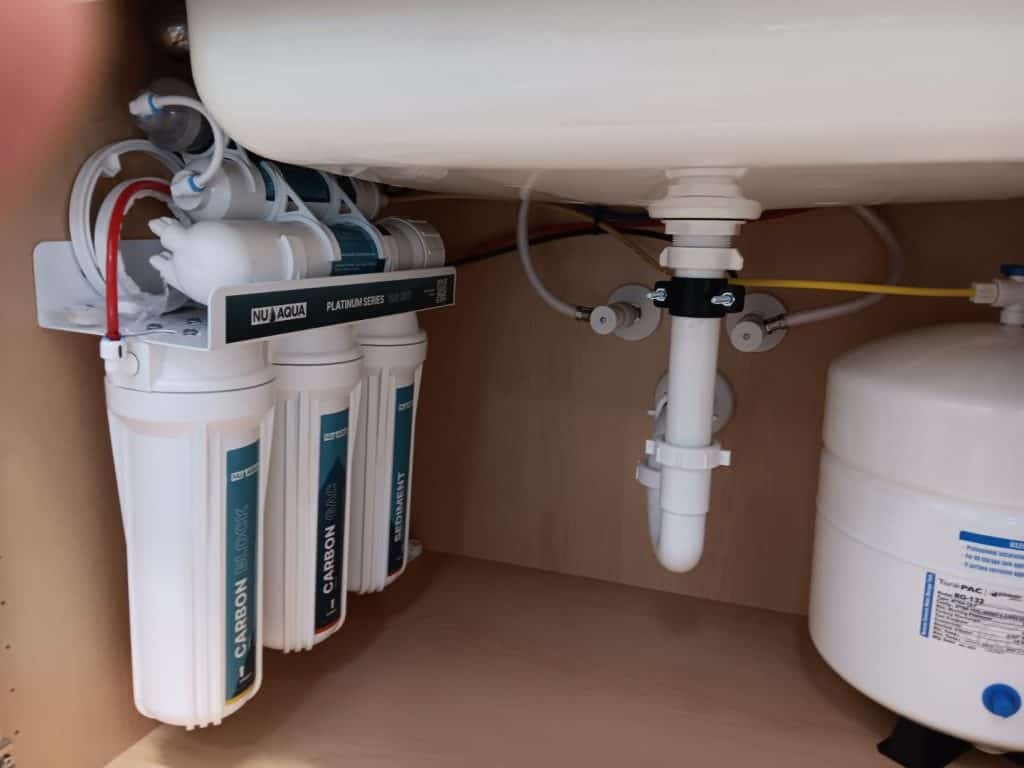
After that, a TFC reverse osmosis membrane handles dissolved solids, including salts and heavy metals. The practical benefit is a cleaner-tasting result for coffee, tea, and ice, because you’re stripping out a lot of what dulls flavor or adds an odd edge. It’s a strong “reset” for drinking water when your tap tastes inconsistent.
Where this model stands out is the optional finishing stages. You can choose UV sterilization, alkaline remineralization, or both. The UV step sterilizes the water before it reaches the faucet, which adds confidence if you want an extra layer aimed at microorganisms like bacteria and viruses. The remineralization step uses a multi-media approach with materials like calcite and other mineral media, helping the water taste less flat after RO purification.
Ownership details make it feel complete. It includes a premium chrome faucet for a dedicated drinking-water tap, plus a leak stop valve for added peace of mind under the sink. You also get a TDS meter for quick checks, and the system comes with a 3-year warranty—solid reassurance when you want a full-featured under-sink RO setup with optional UV and remineralization.
Pros:
Cons:
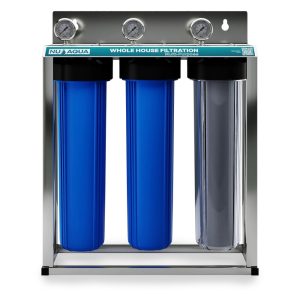
If you want your water treated before it reaches any faucet, this whole-house system is the “set it up once and feel it everywhere” option—and for many homes it lands among the best NU Aqua water filter picks for that all-in approach. Instead of only improving what you drink, it addresses the water going to showers, sinks, laundry, and dishes. That whole-home consistency is the main appeal—you stop bouncing between little fixes in different rooms.
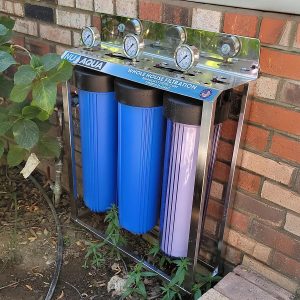
Flow rate matters for whole-house setups, and this one is rated for up to 15 gallons per minute. That means you don’t feel like the system is “holding back” your water when someone showers while the kitchen sink is running. In day-to-day use, you keep normal water pressure experiences across common household tasks.
It uses three 20-inch filter stages to handle the job in layers. The first stage focuses on sediment—the gritty particles like sand, rust, and dirt—so you’re not pushing that through your fixtures or into appliances. The direct benefit is simpler: less visible debris and fewer “what’s that in the water?” moments during daily use.
The second stage uses granular activated carbon, which targets chlorine and many organic compounds. The reason this matters is straightforward—chlorine is often tied to that sharp smell and taste you notice when you fill a glass or wash produce. Reducing it helps your water smell and taste cleaner in normal use.
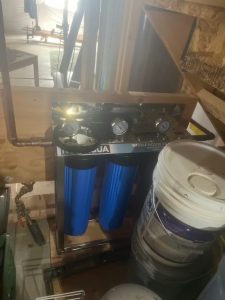
The third stage is a 5-micron carbon block that polishes the water further, including focusing on chlorine and chloramine along with taste and odor issues. That final “cleanup” tends to make the whole-home experience feel more uniform, whether you’re cooking, washing dishes, or rinsing off after a workout. It’s the kind of change you notice because the water stops drawing attention to itself.
Practical operating ranges help you picture whether it fits your setup. This system is rated for 40–80 PSI and incoming water temperatures from 40–100°F, which covers typical household conditions. The listed footprint is 31 by 24 by 7 inches, giving you a clearer sense of installation space needs. It also comes with a 1-year warranty and a 120-day satisfaction guarantee, which adds reassurance when you want a single system that improves water across the whole home.
Pros:
Cons:
This quick guide helps you match the system to your real-life routine—where you want treated water, how fast you need it, and what kind of maintenance rhythm you’ll actually stick with.
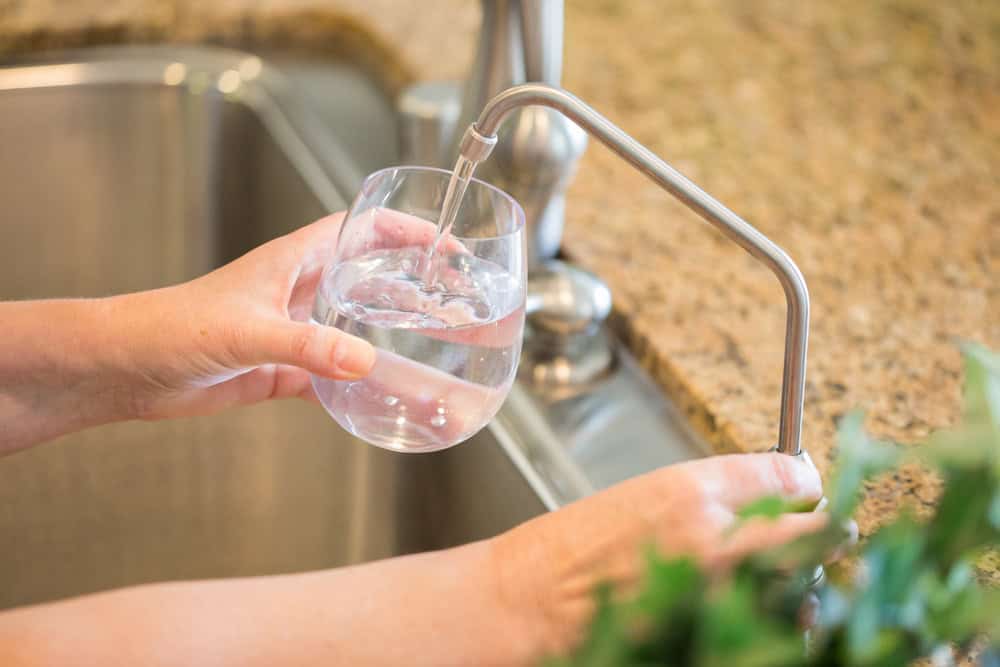
When you’re sorting through NU Aqua reviews, start by choosing between whole-home coverage and point-of-use drinking water. A whole-house system makes sense when you want consistent water at every faucet, including showers, laundry, and dishwashing. The experience is simple: you stop thinking about “which tap is filtered” because the treatment happens before the water spreads through the home.
If your main goal is better drinking and cooking water, a reverse osmosis system keeps the focus tight. You’re optimizing the water that goes into your glass, your ice tray, your coffee machine, and your pots. That narrower focus often feels like the fastest path to better taste and a cleaner drinking routine.
In any NU Aqua Systems review, tankless RO is all about quick pours on demand. When you reach for a refill, you want treated water right away, and you want it to keep up with repeated use. The practical benefit is the pace: filling large bottles and back-to-back glasses feels smoother, and you’re not relying on a storage tank.
Tank-based RO is about readiness. With a storage tank, you draw from a prepared reserve, which makes the faucet feel consistent when you need a quick pour for cooking, drinking, or ice. If you like the idea of “always having some treated water waiting,” the tank style fits that preference well.
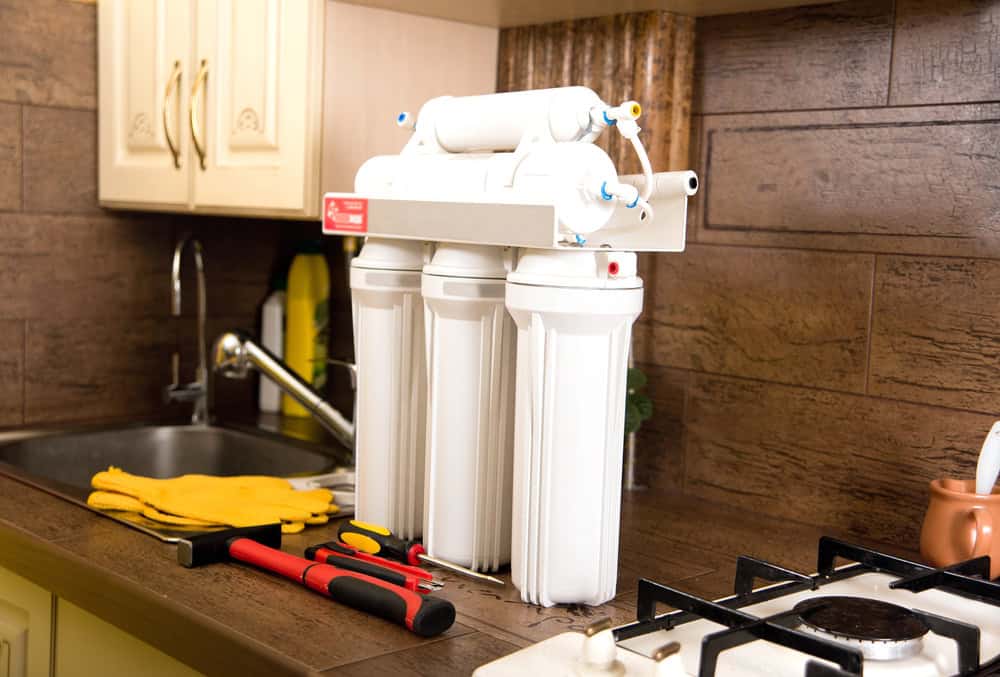
A countertop RO unit works best when you want minimal installation hassle. You treat it more like an appliance—fill the reservoir, press a button, and pour. That’s a strong match when you want flexibility, when you don’t want to commit to under-sink changes, or when you like being able to move the system later.
An under-sink system keeps your counter clear and gives you a dedicated drinking-water faucet. That dedicated faucet becomes your go-to for bottles, coffee, and cooking water, so the routine stays consistent. The tradeoff is installation planning and under-sink space, but the everyday experience often feels more “built-in.”
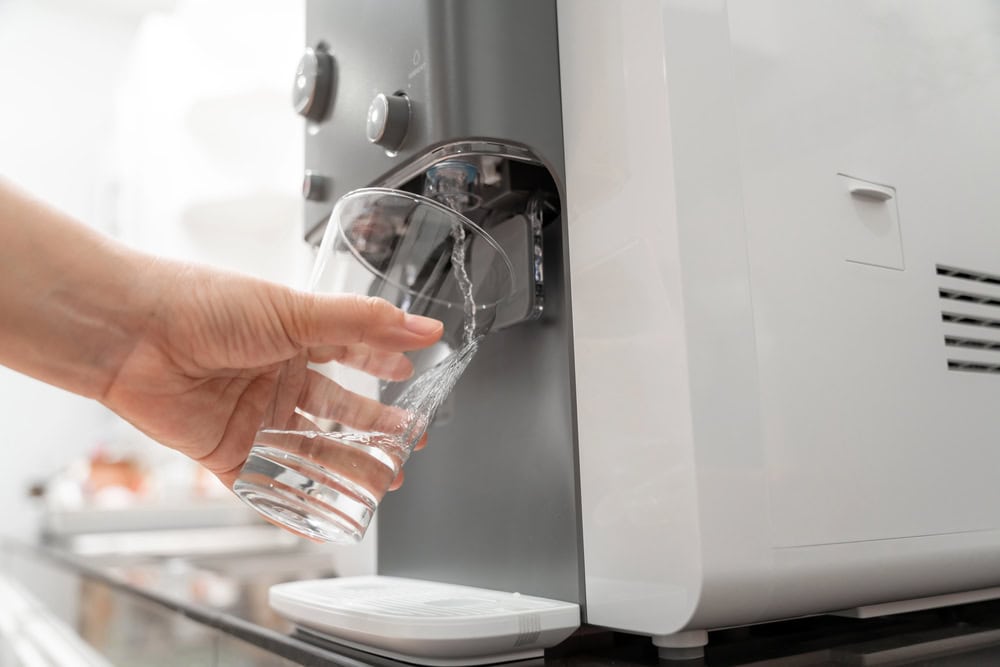
If you refill often, pay attention to output and efficiency. Higher daily output ratings and tankless designs generally translate to faster fills and less waiting during busy moments. A 2:1 pure-to-waste ratio also matters when you care about reducing water sent to the drain as part of your everyday habit.
Maintenance should feel obvious, not mysterious. Visual filter indicators and faucet cues simplify the ownership experience because they remove the “when do I change this?” question. Tool-free, twist-lock cartridges keep swaps straightforward, which helps you actually keep the system performing the way it should.
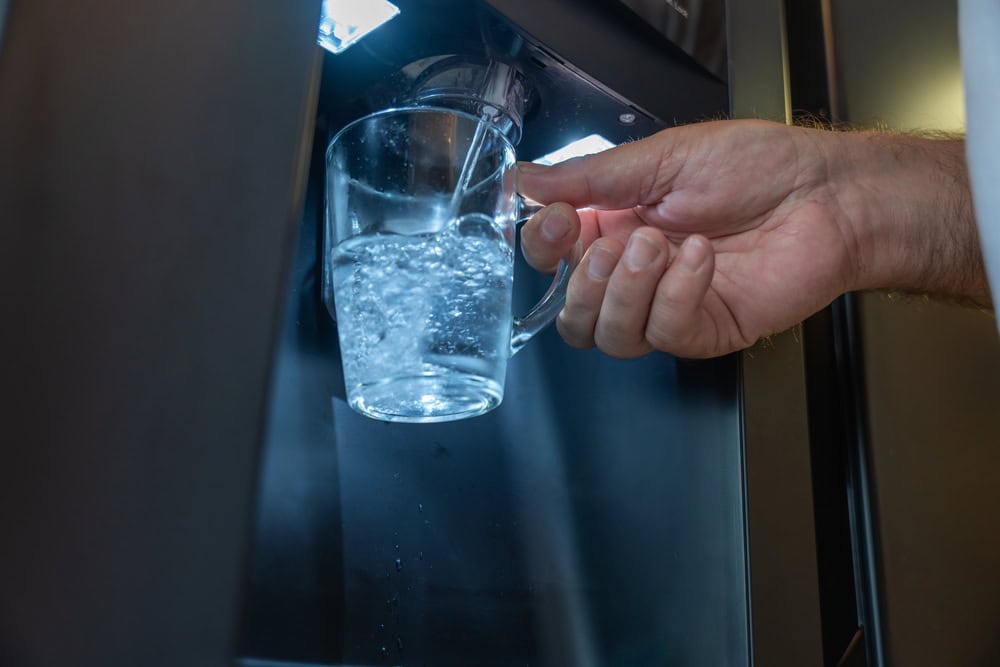
Some people want more than standard RO purification. UV sterilization adds a final confidence step right before water reaches the faucet, aimed at microorganisms like bacteria and viruses. If you like the idea of an extra layer beyond filtration alone, that option is worth prioritizing. [3]
Remineralization is a different kind of preference. After RO, water sometimes tastes “too plain,” and remineralization helps bring back a more natural taste by adding minerals through a multi-media approach. If flavor is a big part of your decision, this add-on can make the daily drinking experience feel more satisfying.
If you’re doing a NU Aqua water filter comparison, start with how you actually use water every day, then match the setup to that routine. If you want fast, on-demand RO without a tank, the NU Aqua Efficiency Series Tankless 600GPD system fits a clean, modern routine—especially if you like clear maintenance cues from the smart LED faucet. If you prefer plug-in simplicity and you love the idea of instant hot water for tea and quick meals, the NU Aqua 4-Stage Countertop RO with Hot Water is the most convenient day-to-day option.
For high-demand kitchens that refill constantly, the NU Aqua Efficiency Series Tankless 800GPD model stands out for speed, compact space needs, and straightforward cartridge changes with filter indicators. If you want a classic under-sink RO setup with a ready reserve and optional UV and remineralization, the NU Aqua Platinum Series 7 Stage system suits that “always prepared” drinking-water approach. And if your priority is consistent water across showers, laundry, and every faucet, the NU Aqua 3 Stage Whole House Water Filtration System is the clear match.
At this point, the best move is to pick the system that matches how you actually use water every day—whole home versus drinking water, tankless speed versus stored reserve, countertop convenience versus under-sink integration. Scroll back up to the product list, compare the setups side by side, and choose the one that fits your space and routine cleanly.