This article may contain affiliate links. I may earn a small commission at no extra cost to you. Learn More

Menu

If your water tastes normal one week and then throws off your coffee the next, you’re dealing with a moving target—and that’s why Glacier Fresh water filter reviews can feel both helpful and overwhelming at the same time. That’s exactly why it’s hard to choose a filter—because what you “need” depends on your routine, your space, and how you actually use water day to day.
This roundup breaks down six GlacierFresh options that cover the common paths people take: fast under-sink RO for drinking and cooking, RV-focused filtration for hookups and travel stops, and countertop choices when you want cleaner water without touching your plumbing.
I compared the key details that shape real-life ownership—how each setup fits in your home or RV, how fast it delivers water, and what maintenance looks like—so you can pick a system that matches your routine instead of fighting it.
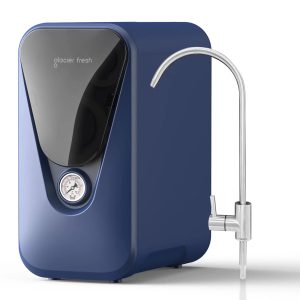
If you’re using a Glacier Fresh water filter review to narrow down a fast under-sink RO setup, this tankless option is built for a clean, streamlined routine. You get a system rated for 800 gallons per day, with a rated flow of 0.6 gallons per minute, so filling a pot for pasta or topping off big bottles feels quick and normal. The goal here is simple: you stop hovering by the faucet waiting for a slow trickle.
The tankless design matters more than it sounds. Without a big tank taking up the cabinet, you keep more usable under-sink space for the stuff you actually store. That translates to less of that cramped “everything has to be shoved around the system” feeling every time you grab cleaning supplies.
Noise stays out of the picture too. This unit operates without an electric drive and keeps things whisper-quiet, so you don’t get an appliance-like hum while you’re trying to make breakfast or clean up after dinner. In a busy kitchen, that quiet operation makes the whole setup fade into the background—exactly how you want a water system to behave.
Efficiency plays into everyday satisfaction as well. The system uses a 3:1 purified-water-to-drain ratio, so you waste less water while pulling RO water for drinking, ice, and cooking. It feels easier to commit to using filtered water for more tasks when the waste side of the equation stays more controlled.
You also get a confidence bump from certifications tied to the filtration backbone. This unit is certified to NSF/ANSI 58 and SGS standards, which supports the idea that you’re not relying on vague promises. Day to day, that means you can focus on taste and convenience instead of second-guessing the system.
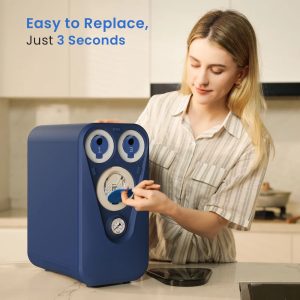
Maintenance is designed to stay simple rather than becoming a weekend project. You remove the cartridge by pulling the attached hook, then slide the replacement in place, so filter changes fit into a normal week. Add in smart inlet water pressure monitoring, and you’re less likely to get blindsided by pressure issues that make the system feel unpredictable.
Pros:
Cons:
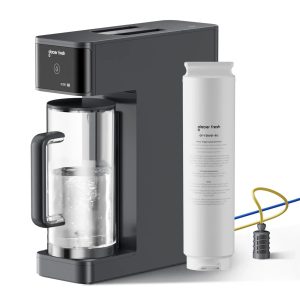
If you’re doing a Glacier Fresh water filter comparison for travel, consistency becomes the whole goal. This RV-focused RO unit leans into that by using a 3-in-1 filter cartridge with 4-stage filtration, keeping the setup compact and less fussy than multi-housing builds. The payoff is a cleaner, more predictable drinking-water routine even when the campground hookup changes every stop.
Filter life and planning are a big part of travel convenience, and this system builds around that reality. It’s rated for 67,584 fl oz before replacement, which typically covers a lot of bottle fills, cooking water, and coffee runs before you’re forced back into shopping mode. That longer runway makes it easier to settle into a routine instead of constantly tracking supplies.
Output speed stays practical for everyday use. It produces 12 fl oz per minute, so you can fill a bottle steadily while you’re packing lunches, cleaning up, or prepping dinner in a small RV kitchen. In real life, that steady pace matters more than raw specs because it determines whether you actually keep using the purifier.
Operation is designed to feel straightforward, not technical. A single-button start keeps the process simple, and the smart display gives you real-time monitoring so you’re not guessing what’s happening. That’s the kind of detail that reduces “mystery machine” stress when you’re already juggling travel logistics.
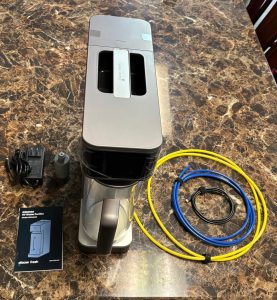
Power flexibility is another ownership advantage. You can run it with dual charging options, including 24V/30W power bank compatibility, and it includes a power adapter. That means you can use it at a campsite or plug it in at home, instead of building your entire routine around one power scenario.
Connection is meant to stay quick too. The system supports plug-and-play connection to a standard water pipe, so you’re not rebuilding your setup every trip. Add in NSF/ANSI certification alongside FCC, FDA, and CA65, and you get extra peace of mind when your water source changes from one stop to the next.
Pros:
Cons:
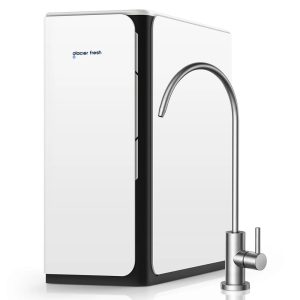
If you’re narrowing down the best Glacier Fresh water filter shortlist for under-sink RO, this tankless system is built for a clean, space-saving approach. It delivers RO water with a 0.0001-micron membrane as part of a 5-stage filtration setup, so your drinking water lands in that crisp, neutral zone that makes tea and coffee taste more like themselves. This is the kind of upgrade that shows up in the glass, not just on paper.
Speed is another practical win here. It’s rated at 400 gallons per day and about 1.5 liters per minute, which makes bottle refills and kettle fills feel fast instead of tedious. In normal kitchen use, that higher pace nudges you toward using filtered water for more things—because it stops feeling like a chore.
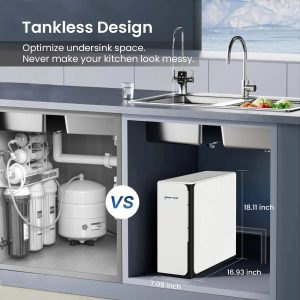
Noise stays out of the way, which matters more than people expect. This unit runs without an electric drive and stays at 0 dB, so you don’t get that persistent background sound that makes your kitchen feel “mechanical.” The result is a setup that does its job quietly while you do yours.
Waste and efficiency are part of daily ownership too, especially if you filter a lot of water. The system uses a 2.5:1 purified-water-to-drain ratio, so you get more drinkable water out of your routine without feeling like you’re pouring too much down the drain. That balance helps the system feel easier to live with long term.
Installation is meant to stay approachable for typical DIY comfort levels. It’s designed so you typically finish in about 30 minutes, which keeps the project from taking over your day. And when it’s time for upkeep, you shut off the water and unscrew the old filter—no special tools needed to keep the system running smoothly.
The replacement schedule is also straightforward. The active carbon filter is set for a 6-month lifetime, and the RO filter is set for 1–2 years, so you’re not constantly changing parts. In practice, that predictable rhythm makes it easier to maintain good habits without feeling like filter swaps are always around the corner.
Pros:
Cons:
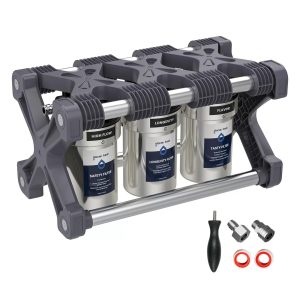
In a Glacier Fresh water filters review focused on RV hookups, this is the kind of system built to steady things out. If campground hookups feel like a roulette wheel—fine one place, funky the next—this RV filter system helps keep your baseline more consistent. It uses a 3-stage approach that targets chlorine, rust, sediment, and that “hose water” vibe that can sneak into your coffee or cooking.
Flow and filtration balance matter on hookups because you don’t want to trade clean water for a frustrating trickle. This system includes a 0.2-micron high-flow filter, which focuses on catching fine particles while still keeping water moving. In normal RV use, that translates to a setup that fits both drinking needs and day-to-day tasks like rinsing dishes.
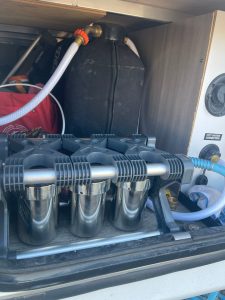
The connection experience is a big part of RV ownership, and this one aims to reduce the usual spigot struggle. It uses stainless steel garden-hose quick couplers, so you’re not wrestling with flimsy plastic threads that leak or cross-thread. That one detail can change how you feel about setting up camp—because you’re not starting the trip with a small, annoying problem.
Compatibility stays practical too. It supports standard 1/2-inch and 3/4-inch inlet connections, so it fits common RV and hose setups without a lot of improvising. That means fewer adapters and fewer “will this even connect?” moments when you arrive at a site.
Water pressure is another real-world variable, especially on public hookups. This system runs at 30–80 PSI and includes a pressure relief regulator, with an 80 PSI max. That helps you protect your RV’s lines while keeping water pressure stable enough to feel normal at the faucet.
If you want a consistent “hook up, filter, and move on” routine, this system fits that vibe. You set it up once at each stop, and you get a more predictable water experience for drinking, cooking, and everyday cleanup. It’s the kind of tool that supports the travel lifestyle instead of complicating it.
Pros:
Cons:
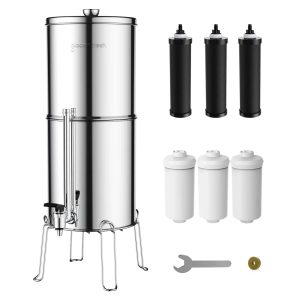
If you’re reading a Glacier Fresh filter review and you want countertop filtration without power or plumbing, a gravity system fits that lifestyle. This one holds 3 gallons and runs on gravity, so you fill the top and draw from the bottom when you’re ready. It’s the kind of setup that quietly supports your day—refill it, let it work, pour when you need it.
Build quality is one of the reasons people choose this style. The body uses polished stainless steel and a 0.8 mm thick 304 stainless steel construction, which gives it a sturdy, long-term countertop presence. In practice, it feels like a durable piece of kitchen equipment rather than a fragile plastic accessory.
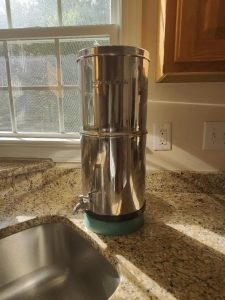
Small design touches make the routine easier. You get a visual water-level spigot, so you can see when you’re running low without lifting lids or guessing. That helps you keep a steady rhythm—top it up before you’re completely out, and your household stays supplied.
Filter planning also feels less stressful because it comes with a strong starter set. You get six filters total: three activated carbon filters and three fluorine filters. That means you’re not forced into immediate reorders right after the initial setup, which makes the first months of ownership feel more relaxed.
The system runs as a 3-stage filtration setup and focuses on everyday water concerns like taste and odor. It also posts a 98% fluorine reduction rate and a 98.95% residual chlorine reduction rate. For your routine, that means you end up with water that feels more pleasant to drink and easier to use for cooking without the “pool smell” edge.
Replacement intervals are built to stretch out over time. The activated carbon filters are set for 3000 gallons, and the fluorine filters are set for 1000 gallons, so you typically go a long while before swapping parts depending on how heavily you use it. If you want a countertop system that supports big-batch habits with minimal fuss, this one fits the bill.
Pros:
Cons:
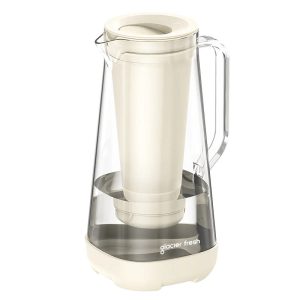
When you want the simplest start and you’re skimming Glacier Fresh water filter reviews for something that doesn’t involve installation, this glass pitcher is the easiest entry point. It holds 7 cups, which fits a normal daily rhythm: fill it after dinner, keep it chilled, pour whenever you want. The small footprint works well when you’re short on space but still want cleaner water on hand.
The glass build adds a different feel to everyday use. It uses hand-blown, shatter-resistant glass, and the ergonomic handle makes pouring steady even when you’re doing it one-handed. For many kitchens, that makes the pitcher feel more like real drinkware and less like a temporary gadget.
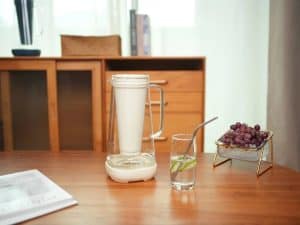
Details like the lid and base matter because they shape how often you actually reach for it. The spout lid helps keep dust out, which is a simple quality-of-life upgrade if the pitcher lives on your counter. The silicone base adds grip, so the pitcher doesn’t slide around when you set it down after a pour.
Filtration is a two-part setup that keeps the routine straightforward. You get a membrane micro filter paired with an activated carbon plus ion exchange filter, so the pitcher targets taste issues while handling common impurities in a pour-through format. It’s NSF 42 certified, which gives you a clear benchmark rather than relying on vague “better water” promises.
Maintenance stays predictable because the lifetimes are clearly defined. The membrane micro filter is set for 264 gallons (about a year), and the carbon plus ion exchange filter is set for 40 gallons (about two months). That means you typically swap the faster-wearing filter on a simple routine while the membrane filter stays in place longer.
There’s a quick startup step that helps the pitcher settle into normal use. You rinse, fill, and discard the first filtered batch before you start drinking from it. After that, it becomes a simple habit—fill it, let it filter, and pour clean-tasting water for bottles, tea, and everyday sipping.
Pros:
Cons:
This guide helps you sort these products by how you live—what you drink, where you need filtered water, and how much setup you’re comfortable doing—so you don’t buy a system that feels great on paper but frustrating in daily use.

If a Glacier Fresh water filter review has you thinking “I just want the right setup,” start by picking the main zone where filtered water matters most in your day. If your priority is drinking and cooking in the kitchen, an under-sink RO setup keeps filtered water tied to the habits you repeat constantly—filling bottles, topping off a kettle, cooking pasta, making ice. When your routine lives at the sink, that placement feels natural.
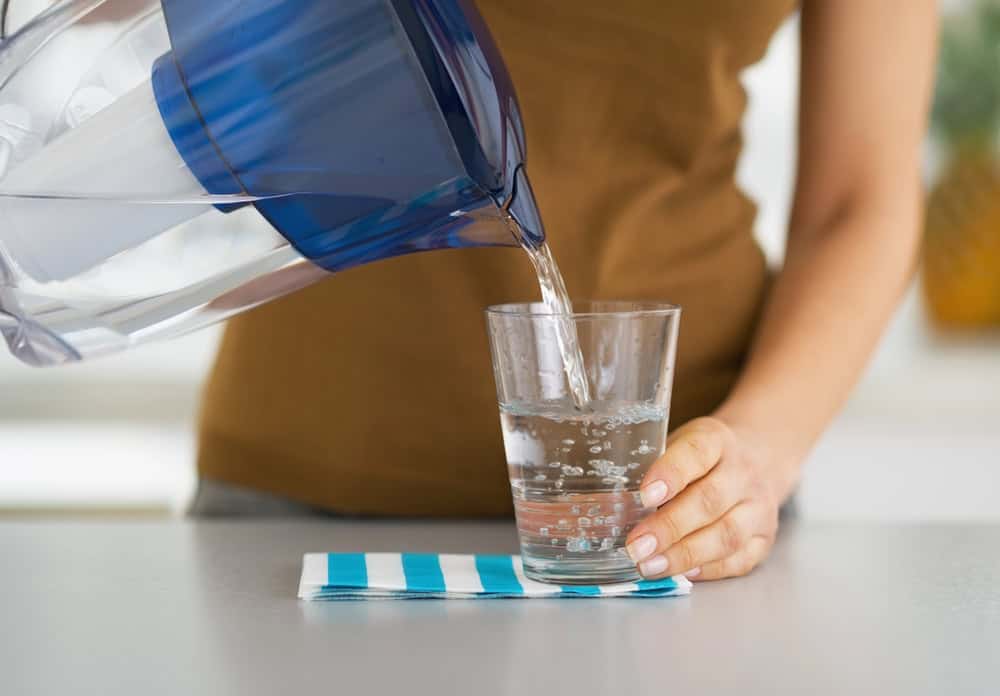
If you want filtered water available even when you’re not near plumbing—or you simply don’t want any installation—countertop options make more sense. A pitcher supports quick, lightweight habits, while a gravity system suits the “fill it once and draw from it all week” style. Your choice comes down to whether you want small daily refills or bigger batch storage.
Travel changes the equation again. When you’re on hookups and water quality shifts site to site, RV-focused filtration helps you stabilize the baseline so your water tastes and smells more consistent from stop to stop.
When you’re doing a Glacier Fresh water filter comparison, tankless under-sink RO tends to suit people who want speed and convenience without giving up cabinet space to a bulky tank. If you fill a lot of bottles, cook often, or just hate waiting on slow filtration, higher output and stronger flow make the routine feel effortless. When the system keeps up, you actually use it.
Pitchers and gravity systems work differently because they train you into a batch mindset. You fill, wait, then pour when ready. That feels great when you like keeping a supply on the counter or in the fridge, and it fits kitchens where installation isn’t an option.
RV systems sit in a practical middle ground: they’re designed for changing water inputs and campsite logistics. A straightforward connection and a consistent routine matter more than anything fancy, because you want to set up camp and move on.
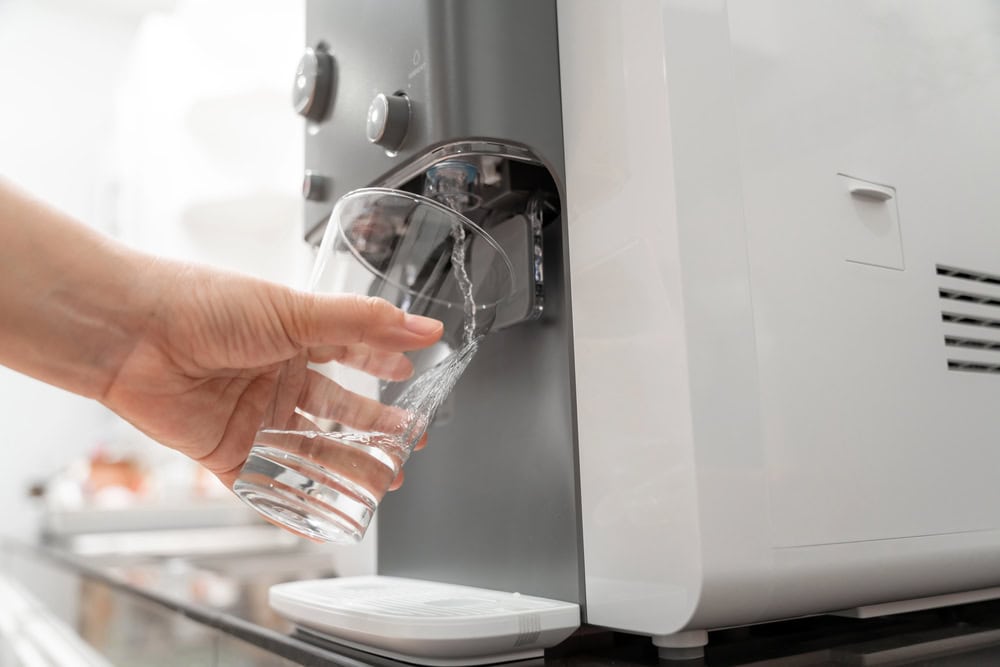
Space is the real constraint most people ignore until the box shows up. Under-sink systems require enough cabinet room to install comfortably and still access things later. When you know you have the space, the payoff is a clean, dedicated drinking-water routine that fits how you actually cook and drink.
Countertop filtration asks a different question: do you have the counter real estate for a bigger vessel, or do you want something smaller that stays out of the way? A gravity system rewards you when you can give it a stable spot, while a pitcher fits tight spaces and smaller households without taking over the counter.
Power matters most for travel-focused RO. If your purifier relies on charging, a stable plan for power keeps your routine smooth. When you’ve got that covered, the convenience of portable RO becomes much easier to enjoy.
A filter only stays “easy” when maintenance matches your habits. Pitchers usually work best when you’re okay with a more frequent replacement rhythm for part of the filtration setup. If you like simple, visible routines—refill, pour, repeat—that tradeoff often feels totally fair.
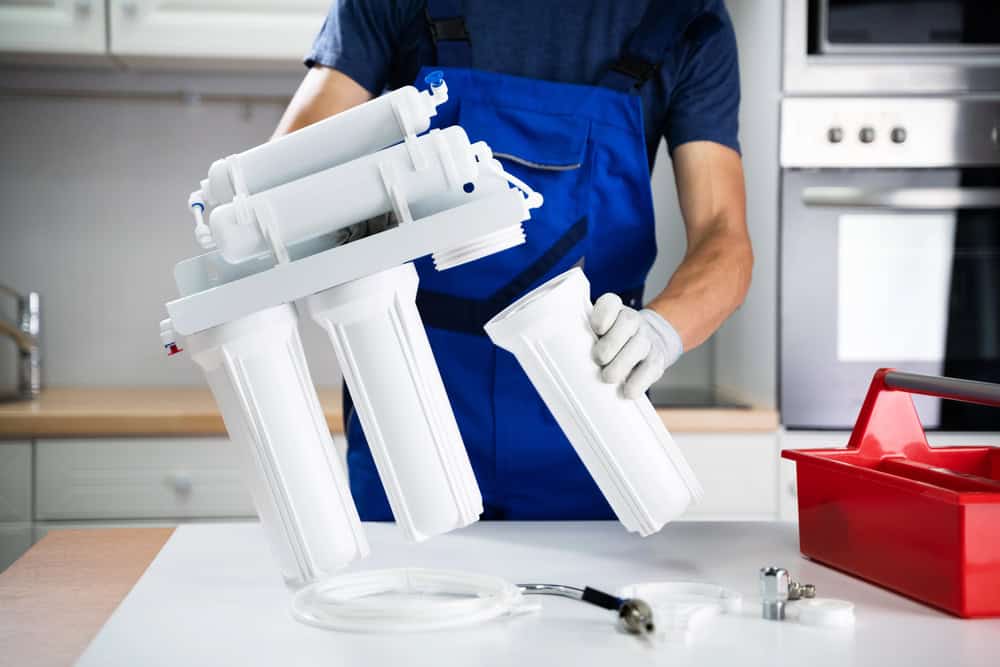
Under-sink RO systems typically feel easiest when replacements are spaced out and the swap itself stays simple. When the system lets you change filters without special tools, maintenance becomes a quick chore instead of a project. That’s the difference between loving your system and resenting it.
Gravity systems often shine when you want to reduce how often you think about replacements, especially if you’re filtering a lot of water for a household. Longer replacement intervals help you stay consistent without constantly tracking supplies.
If you want the fastest, most kitchen-friendly under-sink routine, the GlacierFresh Tankless RO Water Filter U03 fits busy households that refill bottles, cook often, and want quick flow without a storage tank. If travel is your main concern, the GlacierFresh RV Reverse Osmosis System suits people who want more consistent water across changing campsites while keeping operation simple and monitored.
For a quieter, space-saving under-sink choice with a clear maintenance rhythm, the GlacierFresh U01 Tankless Reverse Osmosis System is a strong match for everyday drinking and cooking routines. If your priority is campground hookups and a consistent baseline for taste, the GlacierFresh AUQAGO 3-Stage RV Water Filter System fits a “connect and move on” setup style.
For countertop habits, the GlacierFresh Gravity-Fed Water Filter works best when you want big-batch storage without power or plumbing, while the GlacierFresh 7-Cup Glass Water Filter Pitcher is the simplest starting point when you want cleaner-tasting water with zero installation.
To make the right call, pick the setup that matches your space and daily rhythm first—then let flow speed, maintenance timing, and placement narrow it down. Scroll back up to the product list, choose the route that fits how you actually use water, and you’ll end up with a system you stick with after reading this Glacier Fresh filter review.