This article may contain affiliate links. I may earn a small commission at no extra cost to you. Learn More

Menu

If your tap water tastes “off,” smells sharp, or just doesn’t feel like something you want to drink straight, shopping for a filter gets real—fast, and this Frizzlife water filter review roundup is built to make the decision feel simpler. The hard part isn’t finding options. It’s figuring out which style actually fits your kitchen, your routine, and the way you use water every day.
This roundup walks you through five Frizzlife picks across under-sink filtration, countertop filtration, and reverse osmosis. You’ll see what each one is built to do, what ownership feels like, and which setup makes the most sense for the way you fill glasses, make coffee, cook, and refill bottles.
I compared the product details carefully in this Frizzlife water filter comparison to narrow this down to options that make sense for real daily use—whether you want a simple under-sink upgrade, a faster countertop routine, or a deeper RO-style clean for drinking and cooking.
If you want the clean, “fresh” profile people associate with reverse osmosis but you don’t want a bulky tank taking over your cabinet, the PX500-A fits that lane—and it’s a strong place to start if you’re trying to land on the best Frizzlife water filter route for RO-level drinking water. This setup uses a 0.0001-micron RO membrane with a pre-filter, then finishes with a post alkaline filter that adds minerals back into the purified water. That means you get that RO-clean baseline, while still aiming for a more balanced drinking-water feel. [1]
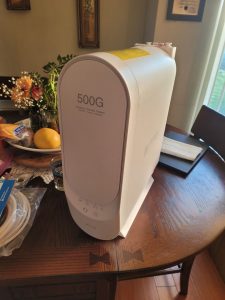
The speed is a big part of the experience here. It’s rated at 500 gallons per day, and it’s positioned for quick fills—about 12 seconds for a cup. So when you’re topping off a bottle, making tea, or filling a pot for cooking, the pace stays comfortable instead of feeling like you’re waiting on your water.
Because it’s tankless, the footprint stays simpler under the sink. The system is designed to save space compared to traditional tank setups, which matters if your cabinet already feels crowded. In normal use, that keeps the install area easier to live with day to day.
Water waste is another practical detail that shapes ownership. This system is built around a low drain ratio: it makes 2 cups of purified water while producing 1 cup of wastewater. The result is a more efficient-feeling routine when you’re pulling purified water regularly throughout the week.
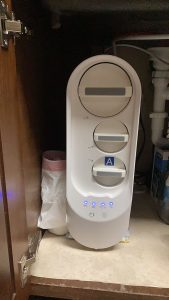
Maintenance feels more predictable when you can see what’s going on. Color-coded indicators track filter life, so you’re not guessing when it’s time to swap something. And the replacement timing is laid out clearly: 6 months for the first stage, 2 years for the RO membrane, and 1 year for the third stage, so you can plan ahead without overthinking it.
You also get a dedicated faucet included in brushed nickel, with a matte black option available. That gives you a clear “drinking water” station at the sink, which keeps your routine simple—turn the handle, fill the glass, move on.
Pros:
Cons:

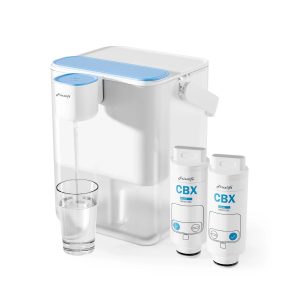
If you like the idea of reverse osmosis water but you’d rather keep everything on the countertop, the WB99-C is built for that, especially if you’ve been reading Frizzlife reviews and want a no-plumbing routine. It combines carbon fiber, a 100-gallon RO membrane, and alkaline particles with 0.0001-micron RO filtration. The payoff is a countertop routine that targets a long list of common concerns while staying plug-in-and-go.
This system is built to reduce contaminants including chlorine, fluoride, lead and other heavy metals, arsenic, chloramine, TDS, limescale, and VOCs. That means your water is set up to taste cleaner and more neutral, which shows up fast when you drink it plain or use it for coffee and tea.
There’s also an alkaline piece here that shapes the final pour. The SC90 alkaline filter raises pH, so you end up with RO-style clean water that’s pushed toward a more balanced, drink-friendly profile. In everyday use, that helps the water feel less “flat” for people who prefer a bit more presence in the taste.
The ownership rhythm stays simple because you’re not dealing with plumbing. You plug it in, fill the removable 4.5-liter feed water tank, and let it do its thing. That makes it easy to set up in a kitchen, office, or anywhere you’ve got counter space and an outlet.
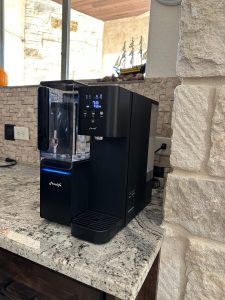
For daily output, it’s rated for 100 gallons per day. In normal use, that’s geared toward steady drinking needs without you constantly micromanaging the process. You fill the tank, keep the pitcher handy, and treat it like a small appliance that stays ready.
The “ready when you are” behavior is part of the appeal. It automatically starts producing water when you lift the pitcher and set it back down, and it kicks in after 60 seconds of continuous dispensing. With a 1.4-liter pure water pitcher you can lift out and chill in the fridge, it’s easy to build a routine that feels smooth instead of fussy.
Pros:
Cons:
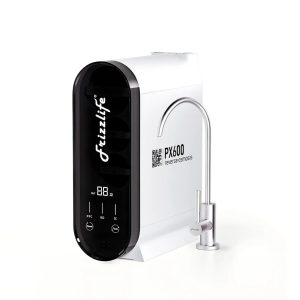
If you’re narrowing down the best Frizzlife water filters shortlist for a fast, tankless under-sink RO setup, the PX600 is built for people who want speed and visibility. It filters down to 0.0001 micron and targets a wide range of contaminants, so you’re set up for cleaner-tasting drinking water that feels consistent across daily use.
On the reduction side, it’s built to tackle contaminants such as chlorine, fluoride, lead, heavy metals, arsenic, chloramine, TDS, and PFAS including PFOA and PFOS. [2] That matters most when water flavor affects everything—your morning coffee, your tea, even the taste of ice and cooking water.
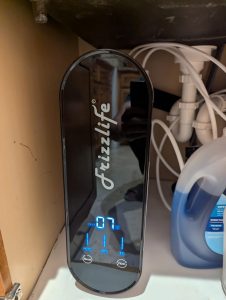
This system is rated to produce 600 gallons per day, and it’s tuned for a faster faucet experience. The flow rate is rated up to 0.42 gallons per minute, and it’s framed around speed—filling a 330ml cup in about 10 seconds. So when you grab a glass, it feels like a normal kitchen moment instead of a slow, stop-and-wait routine.
You also get a brushed nickel faucet included, which keeps the “clean water” experience straightforward. A dedicated drinking-water faucet turns the decision into a habit: you’ll know exactly which tap to use for filling bottles, mixing drinks, or rinsing produce.
Where the PX600 really separates itself is the way it keeps you informed. The smart LED panel shows real-time output TDS and the remaining lifespan of each filter. That means you can glance at the system and know what’s happening instead of relying on guesswork.
Efficiency plays a role here, too. It’s built with a 2:1 pure-to-drain ratio, which means you get more purified water for the wastewater produced. In day-to-day use, that keeps the system feeling more sensible when you’re pulling RO water frequently.
Pros:
Cons:
If you want better-tasting water without touching your plumbing, the MD40 is one countertop pick in this Frizzlife water filter review lineup and it keeps your routine moving. It uses two pre-installed 1-micron filters working together, and it’s designed to remove 99.9% of contaminants—including chlorine, lead, fluoride, and PFAS like PFOA/PFOS—while preserving essential minerals. So you get cleaner water without the “stripped” feel some people dislike.
The biggest difference you’ll notice is pace. This is an electric countertop unit, not a slow gravity pour, and it dispenses about 5 times faster than standard gravity pitchers. That changes the whole vibe of daily use—quick bottle refills, faster cooking water, and less waiting around when you just want a glass.

Capacity helps it fit into a household routine, too. With a 4-liter capacity, you can keep it in rotation through the day without refilling constantly. In normal use, it’s the kind of setup that stays ready for back-to-back pours when you’re cooking, making drinks, or filling multiple bottles.
Maintenance stays straightforward because the system tracks usage and gives clear replacement reminders. The filters are rated for 6 months or 400 gallons, which makes the replacement rhythm easier to plan. That means you spend less time guessing and more time just using it.
The battery design adds another convenience layer. It has a 4500mAh rechargeable battery designed to deliver a full month of cord-free use on a charge, and it charges via USB-C. So you can keep it on the counter, move it around, and recharge it like a normal household device.
This one makes the most sense when you want countertop simplicity with a faster “press and pour” experience. You fill it, hit the button, and you’ve got filtered water ready for everyday drinking and cooking.
Pros:
Cons:
If you want a straightforward under-sink filter that keeps your faucet experience feeling normal, the MK99 fits the role nicely, and it’s a practical anchor for this Frizzlife review. It’s a two-stage under-sink system rated at 0.5 micron, built to catch fine particles while reducing things like lead, chlorine, and taste and odor. That means your water comes out cleaner-tasting without you changing your everyday kitchen habits.
The connection setup is designed to work with common under-sink plumbing. It fits both 3/8" and 1/2" cold water lines, so the system matches a lot of standard hookups. In practice, that reduces the “will this even fit?” stress that comes with under-sink installs.
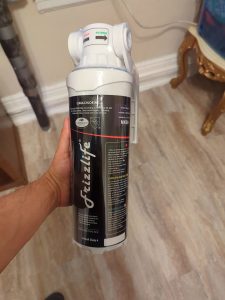
Maintenance is built around simplicity. The filter cap includes a built-in shutoff valve paired with a quick twist-in design, so you can swap the cartridge without turning off your water supply. That makes filter changes feel like a quick, clean task instead of a disruptive project.
Flow is where a lot of under-sink filters feel either great or frustrating, and the MK99 leans toward “easy.” It’s rated at 2 gallons per minute at 60 psi, so filling a glass stays fast. The result is a more natural sink experience—water moves when you need it.
If you like the idea of extending filtered water beyond the faucet, there’s room for that, too. You can route the filtered water to a refrigerator or ice maker with an add-on kit, which keeps your drinking water and ice aligned. Over time, that creates a consistent “clean water” routine across the kitchen.
This is the best fit if you want a simple under-sink upgrade focused on drinking and cooking water, with quick flow and low-drama filter swaps.
Pros:
Cons:
This quick buyer’s guide helps you match the right form factor and filtration style to how you actually use water—so you don’t overbuy for features you won’t use, and you don’t underbuy for the problem you’re trying to solve.

If you’ve been bouncing between Frizzlife water filter reviews and still feel undecided, start with where you want the system to live. Under-sink setups keep your counter clear and feel like part of the kitchen, which is great if you want a “set it and forget it” rhythm. You turn on a dedicated faucet or use your existing sink flow (depending on the setup), and you stay in that normal, everyday groove.
Countertop units trade hidden placement for flexibility. They work well when you don’t want to deal with plumbing, when you want a device you can move, or when you like the idea of a separate pour station for bottles and cooking. The real tradeoff is simple: you’ll give up some counter space and, in normal use, you’ll refill a tank or reservoir as part of the routine.

In a practical Frizzlife water filter comparison, the next choice is filtration depth. A fine filtration system like a 0.5-micron under-sink filter focuses on capturing small particles and reducing common taste and odor drivers such as chlorine, while also targeting specific items like lead. That’s a strong lane when you want better everyday drinking water without changing your kitchen habits.
Reverse osmosis takes a deeper approach by filtering down to 0.0001 micron. If you’re chasing a cleaner, more neutral water profile for drinking, coffee, tea, and cooking, RO-style water tends to fit that goal better. Some RO setups also include an alkaline stage that adds minerals back or raises pH, which helps if you prefer purified water that feels more balanced.
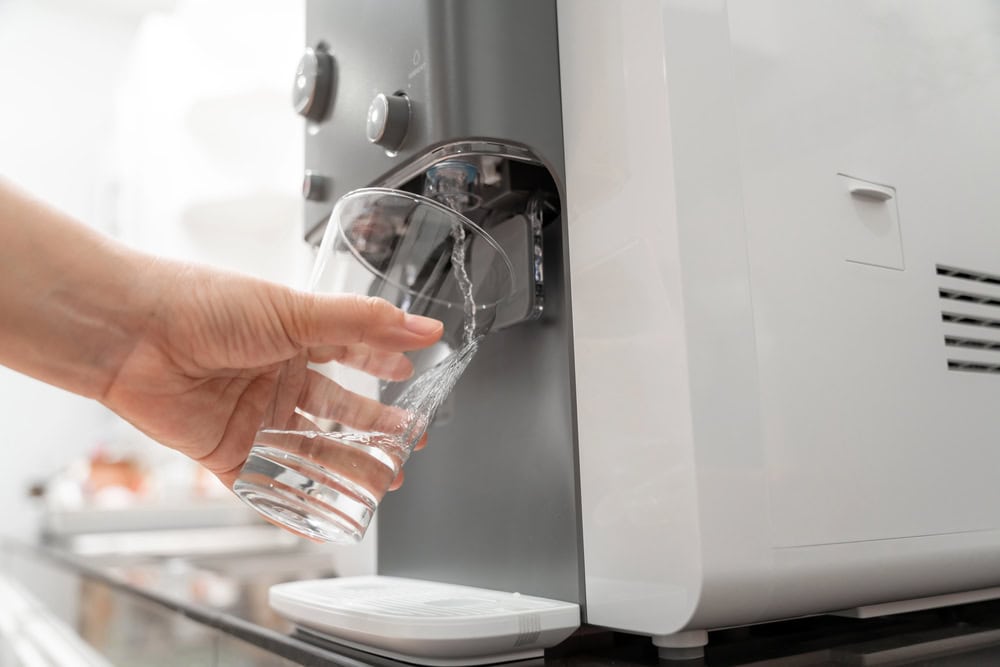
Speed matters more than most people expect. If your water station feels slow, you’ll use it less, especially during busy moments like breakfast, meal prep, or refilling multiple bottles. That’s why flow rate and “fill time” positioning are worth paying attention to if you want the system to feel effortless in daily use.
If you prefer a countertop routine, look for a setup that dispenses quickly so you’re not watching water drip through. If you prefer under-sink RO, tankless designs that focus on faster fills help the system feel closer to a normal sink experience—grab a glass, fill it, and move on.
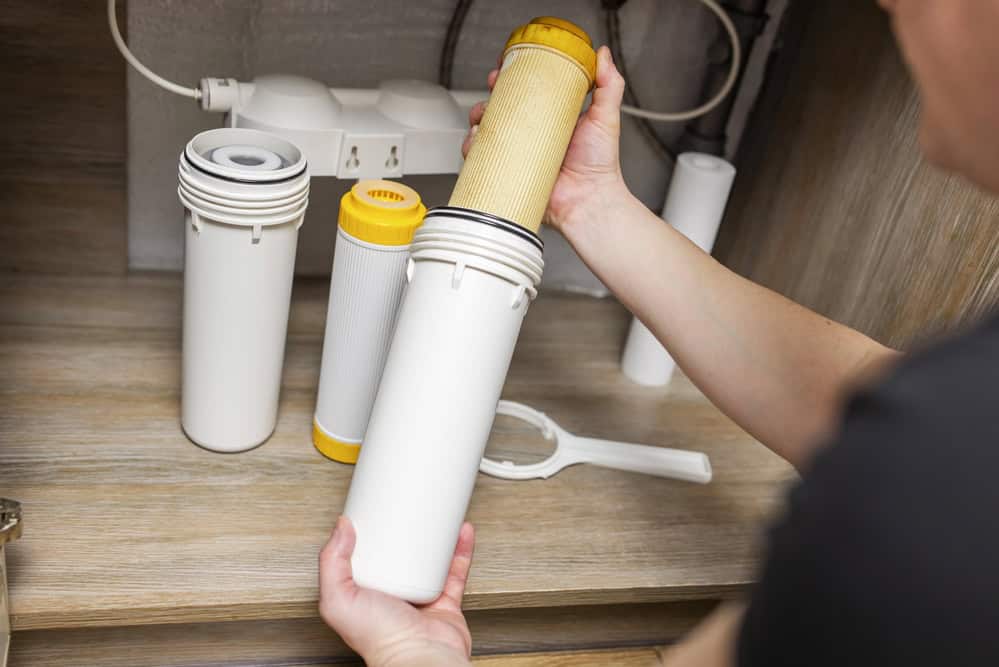
A good system is the one you’ll maintain without resentment. Clear filter-life indicators and predictable replacement timing keep upkeep from turning into guesswork. When a unit tracks lifespan for you—whether through color-coded signals, replacement reminders, or a panel that shows filter life—you end up with fewer “when did I change this last?” moments.
Also think about what “maintenance” looks like for the format you choose. Under-sink systems usually feel more hands-off once installed, while countertop systems often involve refilling a tank or charging the device. Neither is bad—it’s just about picking the routine that fits your household so staying consistent feels easy.
If you want a tankless under-sink RO setup with a mineral-forward finish and clearly defined replacement timing, the PX500-A stands out as the most structured “daily drinking station” style option. If you prefer countertop RO with a plug-in routine and a removable tank and pitcher, the WB99-C fits best for people who want purified water without plumbing.
If speed and on-unit visibility matter most, the PX600 is a strong pick for a fast tankless RO experience with real-time output TDS and filter-life tracking. For a countertop option that’s fast and button-driven while preserving essential minerals, the MD40 makes sense when you want quick pours without installing anything. And if you want a simpler under-sink filter that keeps normal flow feeling normal, the MK99 is a clean, practical upgrade.
The best move now is to choose based on your setup and your routine—under-sink vs countertop, standard filtration vs RO, and how much you care about speed and monitoring. If you’re still weighing what matters most, these Frizzlife water filter reviews should make it easier to match a system to your day-to-day use. Scroll back up to the product list, match the format to your kitchen, and you’ll land on a system you’ll actually use every day.