This article may contain affiliate links. I may earn a small commission at no extra cost to you. Learn More

Menu

A countertop RO setup sounds simple until you start living with it, especially when you’re trying to pick the best countertop reverse osmosis system for your kitchen. Some models feel like a sleek little water station you use all day, while others turn into a constant refill routine, or a bulky box you keep working around.
This roundup helps you choose based on how you actually drink water: cold glasses on demand, fast hot water for tea, a carafe you chill in the fridge, or a self-contained unit that quietly keeps up in the background. You’ll see what each option is built to do, and which style fits your kitchen rhythm best.
We already have a guide on picking the best countertop water filter for your home, but these reviews focus specifically on reverse osmosis models, which offer the strongest purification.
To build this list, I compared product details carefully, the same way you’d sort through countertop reverse osmosis reviews, and focused on how each system fits real daily use, including dispensing style, refill routine, basic monitoring, and the kind of maintenance you’ll actually do over time.
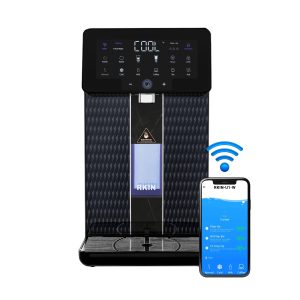
If you’re narrowing down the best reverse osmosis countertop system contenders and you want your setup to feel like a full-on water appliance, this one leans into that role. You get reverse osmosis, UV, and hydrogen tech in the same unit, with a five-stage filtration process handling the core purification work. That combination gives you a “set it on the counter and treat it like part of your kitchen” experience rather than a simple pitcher routine.

The hot-water side is built for speed and convenience. It uses instant-hot technology with boiling temperatures available right away, so you skip the kettle step when you’re making tea, ramen, or quick cooking water. There’s also a total max hot-water volume of about a half gallon, which keeps expectations clear when you’re filling several cups back to back.
Cold water works differently here, and it helps to know what you’re getting. The unit cools about 15 ounces at a time down to 59°F in roughly 15 minutes. That translates to a predictable “ready-to-pour” chilled serving, instead of relying on a fridge pitcher that may or may not be full.
Being the best RO water filter, daily monitoring is straightforward and built into how you use it. You can check water quality and filter status on the touch panel, and you also have phone monitoring through the RKIN app. That means you spend less time guessing when something needs attention, and more time just grabbing water.
If you care about taste profile, the finishing steps are part of the appeal. An alkaline post-filter returns minerals like calcium and magnesium and brings the pH into a 7–8 range, so the water tastes more like spring-style drinking water. You can also turn hydrogen production on or off with a dedicated button, which makes it easy to choose the kind of water you want that day.
Pros:
Cons:
If you’re looking at the best RO countertop water filter shortlist for a smaller household, this is the “keep it simple, keep it familiar” style of countertop RO. You set it up without plumbing, and the output lives in a borosilicate glass carafe that you can pour like any other pitcher. The result feels natural on a dinner table and easy to slide into the fridge when you want cold water ready.
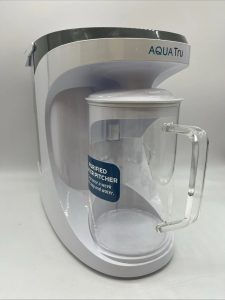
Filtration happens in clear stages, which makes the system feel purposeful instead of mysterious. It uses a four-stage reverse osmosis process, starting with a mechanical pre-filter for sediment and cloudiness, then activated carbon that targets chlorine and chloramines. After that, the RO step targets inorganic contaminants like lead and chromium 6, and a coconut shell carbon VOC stage finishes the water for cleaner taste.
The speed profile fits batch-style use. It makes one gallon in about 12–15 minutes, so you can run a cycle while you’re cooking or cleaning and come back to a usable amount of water. That works well if you like topping up bottles, refilling a cooking pot, or stocking the fridge carafe in one go.
The routine is straightforward: you fill the back tank with tap water and let it run. A solid blue circle on the display signals when it’s time to refill, so you’re not constantly peeking and guessing. That kind of simple cue keeps the experience low-effort, especially if you’re using it daily.
Filter replacement is paced out in a way that’s easy to plan around. It includes three filters with set intervals: a yellow pre-carbon filter for every 6 months, a green VOC filter for 1 year or 600 gallons, and a blue RO filter for 2 years or 1,200 gallons. It’s also been independently tested by IAPMO to NSF standards for removal of 80+ contaminants, which adds confidence when this is your primary drinking-water source. [1]
Pros:
Cons:
If you’re choosing from the best countertop RO water filter picks and you want countertop RO without turning the kitchen into a mini plumbing project, this one fits the brief. You fill a removable 4.5L tank, plug it in, and you’re set. It’s also rated at 100 GPD, so in normal use it keeps up with drinking and cooking routines without feeling like it’s always behind.

The “pitcher feel” is a big part of why it works well in small kitchens. It uses a removable 1.4L pure-water pitcher you can carry to the table or slide into the fridge for cold water. The result feels tidy and familiar when you’re pouring a glass, because you’re handling a pitcher, not managing hoses.
What makes ownership easy is how the unit stays ready in the background. Lift the pitcher and set it back down, and it automatically starts making water. It also starts producing after 60 seconds of continuous dispensing, which helps keep the pitcher topped up for the next round.
There’s a small detail that improves day-to-day confidence: a built-in indicator turns red if filtered water has been sitting in the pitcher for more than 24 hours. That gives you a simple cue to refresh your batch, which is useful if you don’t go through the pitcher quickly.
Efficiency and maintenance are designed to stay low-hassle. The system uses a 3.5:1 pure-to-drain ratio, so more of what you load ends up as usable water. Filter changes stay tool-free, with a twist-style RO membrane filter and a pull-out, push-in post alkaline carbon filter, and the RO membrane is set to last about 12 months depending on your feed water and usage.
Pros:
Cons:
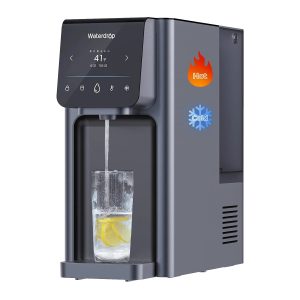
If you’re scanning the best countertop reverse osmosis water filter lineup and you want your countertop setup to behave like a beverage station, this is the style to pay attention to. You get cold water around 41°F for quick refreshes and hot water up to 203°F for tea, oatmeal, and quick cooking needs. Hot water arrives in about 3 seconds, so you stop hovering over a kettle and start treating the unit as a daily shortcut.
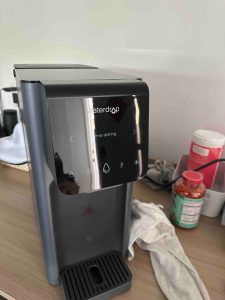
Controls are designed around choice and repeatability. You get six temperature settings and five water volume options, which makes it easy to dial in the same mug fill every morning. That kind of consistency matters if you’re using the unit multiple times a day.
Purification includes an extra layer focused on stored water. The unit uses a seven-stage filtration process, and both tanks include dual UV sterilization with a 99.9% sterilization rate. That means the system doesn’t just treat water as it flows through, it also keeps the stored water in a cleaner state between uses.
Tank capacity supports fewer refills and a more consistent routine. There’s a 136 oz water tank, and the design separates clean and waste water so the purified side stays distinct. You also get a 34 oz iced water tank to keep cold water ready without extra steps, and the unit uses a 2:1 pure-to-drain ratio to keep more usable water in your kitchen day to day.
Monitoring and safety features round out the “appliance-like” feel. An OLED smart display shows real-time TDS and tracks filter life, so you see what’s happening without guesswork. A child lock helps prevent accidental burns, and the unit is NSF/ANSI 372 certified for lead-free materials.
Pros:
Cons:
Among the best reverse osmosis water filter countertop contenders, this one is a strong fit if you mainly want cold drinking water on the counter without plumbing. It’s a plug-in unit that chills water down to 40°F using a compressor, so you get that crisp, cold pour without shuffling a pitcher in and out of the fridge. The chilled water reservoir holds 27 ounces, which makes it easy to grab a quick glass throughout the day.

The filtration approach is designed to be straightforward. It runs a four-stage process using a 3-in-1 filter that covers a pre-filter, the RO membrane, and post-carbon, then finishes with UV filtration. That structure keeps the treatment steps organized, so you end up with clean, neutral water that suits coffee, tea, and cooking.
Water use stays efficient for a countertop RO format. It uses a 3:1 pure-to-drain ratio, which means more of what you load turns into drinkable water instead of being lost as waste. That makes the routine feel more practical over time, especially if you’re refilling daily.
On the usability side, the unit does a lot of the “remembering” for you. A touch panel makes it easy to control, and it includes TDS monitoring so you can check water quality at a glance. It also provides a filter replacement warning, which takes the mental math out of maintenance.
Filter changes are designed to stay simple. Replacement uses a twist-and-lift motion, and the setup includes a removable water pitcher and water tank so handling feels natural. The footprint is 18.11 inches long, 8.27 inches wide, and 15.75 inches tall, so it’s worth measuring your counter space, but the payoff is a chilled-water routine that feels consistent and easy.
Pros:
Cons:
This guide helps you match a countertop RO system to how you actually use water every day, so when you’re weighing the best reverse osmosis countertop water filter front-runners you stay focused on what will feel easy to live with.
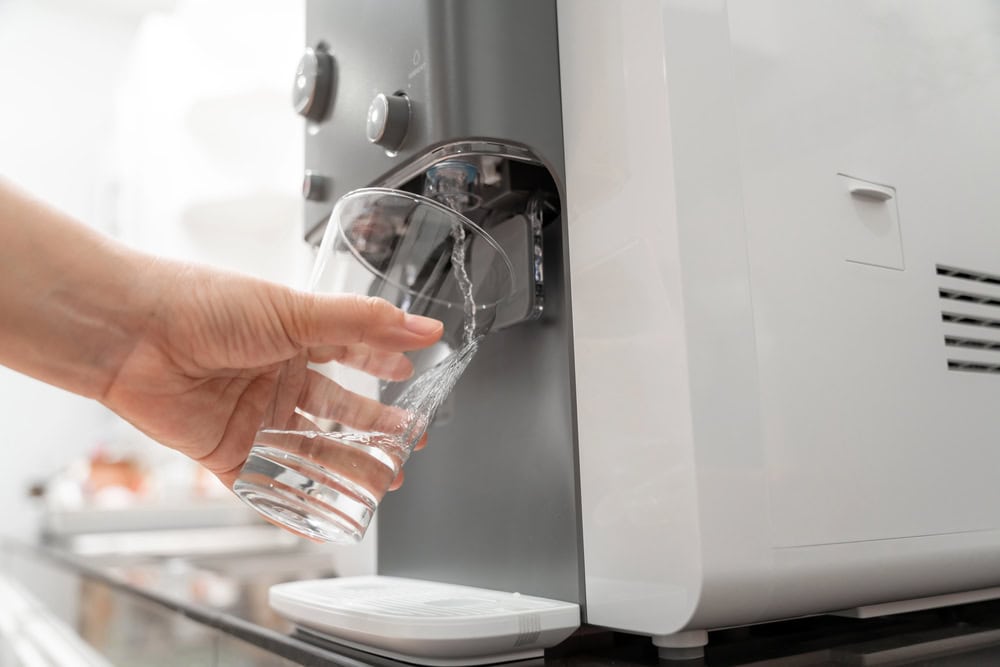
Start with your “grab a glass” moment. If you want to press a button and get hot or cold water immediately, a dispenser-style unit with temperature controls fits best. That kind of setup turns into a daily convenience tool for tea, quick cooking water, and repeated bottle fills.
If you prefer a calmer routine, a carafe or pitcher workflow often feels more natural. You fill a tank, let the system run, and pour when you’re ready, with the option to chill the carafe in the fridge. That style suits people who don’t mind batching water and want a simple pour-and-store rhythm.
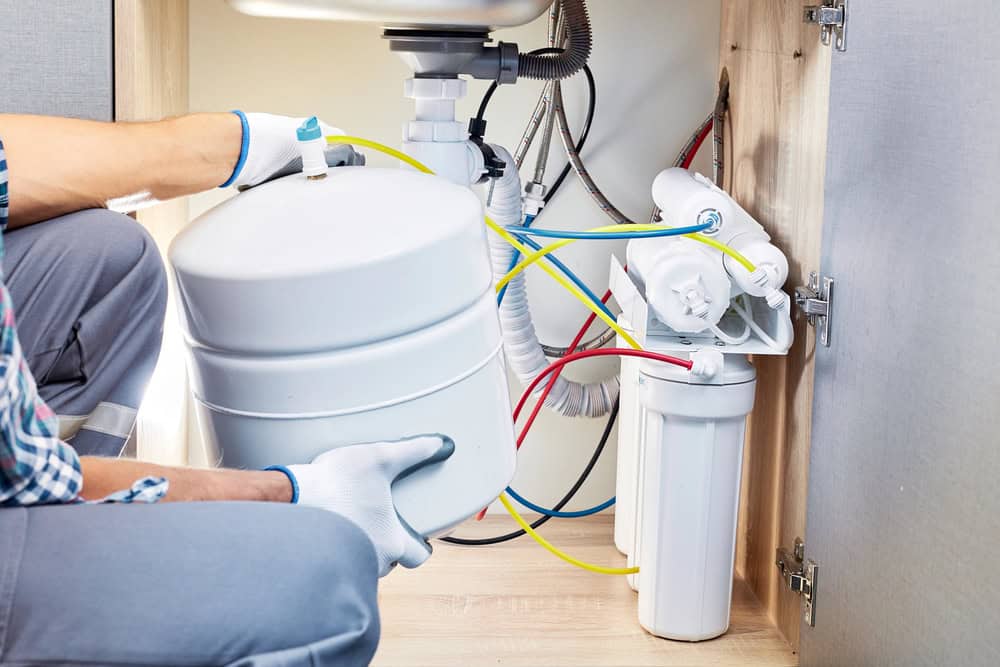
Countertop RO systems usually ask you to manage some kind of tank routine, and the details matter. A larger tank typically means fewer refills and a smoother day, especially if you’re filling multiple bottles or cooking. Systems with separate clean and waste water handling also keep the process more organized, which makes everyday use feel cleaner and more predictable.
If you like a pitcher you can carry to the table or fridge, focus on removable pitcher designs. If you’d rather keep everything on the unit and pour straight into a mug, a dispenser format will feel simpler. The right choice depends on whether you want “portable pouring” or “station dispensing.”

A simple water-quality readout and clear filter-life tracking take guesswork out of ownership. When a unit shows TDS and gives filter replacement warnings, you spend less time wondering if everything’s working properly. That kind of clarity keeps you confident and consistent with maintenance.
If you like seeing status from your phone, app monitoring adds another layer of convenience. It’s not required, but it’s a nice fit if you prefer quick check-ins and a more connected “appliance” feel.

Hot water on demand changes your kitchen flow fast. When hot water arrives in seconds, tea, oatmeal, and quick cooking tasks become simpler, and you stop relying on kettles for every small job. That’s a real quality-of-life upgrade if you use hot water several times a day.
Chilled water matters too, but it shows up differently depending on the system. Some models chill a set amount for quick servings, while others keep a dedicated cold tank. The best fit depends on whether you want “a fast cold glass right now” or “cold water ready all day.”

Countertop systems live in your line of sight, so space and placement are part of the decision. Check whether you have room for the unit’s footprint and enough clearance to handle tanks, pitchers, or carafes comfortably. Even the best countertop reverse osmosis system setup won’t feel good if it crowds your prep area.
Also consider where your power outlet sits and how you like your counter arranged. A setup that fits naturally into your kitchen layout will get used more often, and that’s what makes the upgrade feel worth it.
If you want a premium, appliance-style experience with hot water on demand and extra control over the kind of water you drink, the RKIN U1 stands out for its all-in-one approach and monitoring options. If you like a clean carafe routine you can chill in the fridge, the AquaTru Carafe fits a simple, familiar workflow while still using a multi-stage RO process. For a plug-in unit that behaves like a pitcher setup but keeps itself topped up, the Frizzlife WB99-C is a strong match for renter-friendly, low-drama daily use.
If hot and cold dispensing is your priority and you want a station-style feel with clear monitoring, the Waterdrop A1 makes that routine easy. And if your main goal is crisp chilled water on the counter without plumbing, the APEC ROCT-C1-UV delivers a consistent cold pour with straightforward controls.
Now choose based on your routine, not just the headline features. If you’re still deciding between the best reverse osmosis countertop system finalists, scroll back up to the product list, pick the style that matches how you drink water every day, and you’ll end up with a countertop RO setup that feels easy from the first week onward.