This article may contain affiliate links. I may earn a small commission at no extra cost to you. Learn More

Menu

If you’ve ever filled the kettle for coffee or poured a quick glass from the tap and paused for half a second, you already know the feeling: you want water you trust, without turning your day into a “filter chore.” The challenge is that the right solution depends less on the brand name and more on where you actually drink water—at the sink, from the fridge, or while you’re out running around.
This roundup walks you through five Clearly Filtered options that cover those real-life routines. You’ll see what each one does, how it fits into your space, what upkeep looks like over time, and which style makes the most sense for the way you use water every day.
To build this list, I compared the product details carefully and focused on what matters in day-to-day ownership: where the filter lives, how you use it, what it targets, and what maintenance feels like once it’s part of your routine.
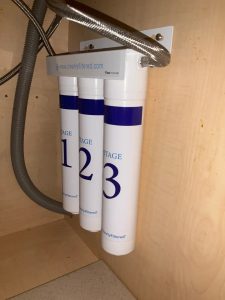
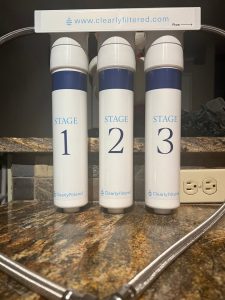
If you want your main kitchen faucet to be the “easy button” for drinking and cooking water, this is the most built-in-feeling option of the group. It installs under the sink and ties into your cold water line, so you keep using the sink the way you already do—fill a glass, top off a pot, rinse produce—without changing your habits. Because it doesn’t require power, you don’t end up managing cords, outlets, or yet another device to keep charged.
The physical footprint stays predictable, which matters in a cabinet that’s already busy. The system measures 15 inches tall, 3.1 inches deep, and 15.4 inches wide, so you can plan where it sits before you start. It uses 3/8-inch stainless steel braided lines and includes 30 inches of braided water line length, which gives you flexibility to position it neatly instead of forcing a tight, awkward bend.
Filtration is the point of this setup, and it’s built to handle more than just “pool water” taste. [1] It removes up to 99.99% of 232+ contaminants and targets chlorine, fluoride, lead, PFAS, and more, while keeping beneficial minerals in place—so you end up with water that still tastes like water, not something stripped and flat. It’s also independently tested to comply with NSF/ANSI standards 42, 53, 401, and 473, which gives you a clearer trust signal when you’re choosing a filter meant to become your everyday default.
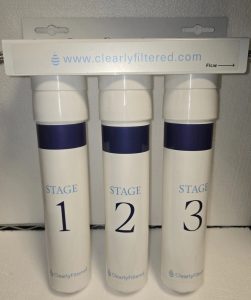
The three-stage design is set up to keep performance steady and ownership simple. The first stage is an advanced priming filter made with coconut carbon, and it’s focused on minimizing sediment while tackling common taste- and odor-related chemicals like chlorine. That “front-end” cleanup matters because it supports the rest of the filtration process, so your sink water stays consistent as you keep using it.
Maintenance stays straightforward because all three filters share the same lifespan, so you swap them together instead of tracking different timelines. Many households typically replace the full set every 9 to 15 months depending on how many people use it, which makes it feel more like an occasional reset than a constant project. If you want filtered water to feel like part of the kitchen—quiet, steady, and always ready—this is the most “built-in” route.
Pros:
Cons:
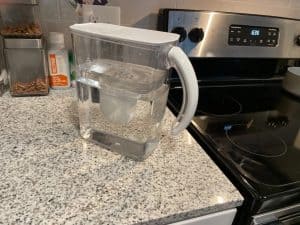
If you want filtered water ready to pour without touching your plumbing, the pitcher is the most familiar style—and it fits a “grab a glass, refill a bottle, fill the kettle” kind of day. It holds 80 ounces (10 cups), so you’re not refilling it after every single pour. You fill it from the tap and keep it chilled in the fridge, which makes drinking more water feel automatic instead of something you have to remember.
As the best water filter pitcher available, this pitcher removes up to 99.99% of 365+ contaminants and targets fluoride, chlorine, lead, PFAS, arsenic, and more, while keeping beneficial minerals. [2] That balance matters in daily use because you get strong filtration without turning your water into something that tastes overly “processed.” It’s also independently tested to comply with NSF/ANSI standards 42, 53, 401, and 473, which adds reassurance when you’re using it all day, every day.
The three-stage approach is designed to handle the “real kitchen” stuff that sneaks into tap water. It starts with a screening layer that blocks larger particles and sediment before they reach the filter. In practice, that first step helps the system stay consistent as you keep refilling, especially if your water sometimes looks a little cloudy or carries visible bits.
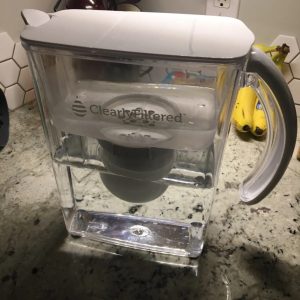
The replacement routine is easy to understand because it’s tied to a clear capacity. The filter life is rated at 100 gallons, and with the reservoir holding about a half gallon, that works out to roughly 200 pitcher fills before you swap the filter. Many households typically land in the 2–6 month range for changes, depending on how much water the pitcher handles.
Materials matter with something that lives in your fridge and touches your water constantly. The pitcher is made from medical-grade Tritan that’s BPA- and BPS-free, phthalate-free, and free of estrogen and androgen activity, so it’s built to feel reassuring as a daily-use item. If you want a simple, no-install path to cold, filtered water on demand, this is the easiest “start here” style.
Pros:
Cons:
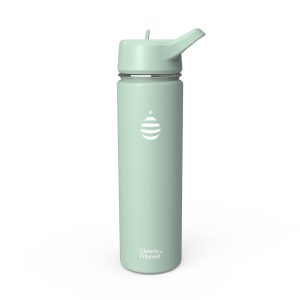
This is the bottle for people who care about cold water that stays cold—and still want filtration built into the sip. The 20-ounce size fits easily into a day without feeling bulky, and the shape is designed to work with standard cup holders. You drink through a silicone straw, so it feels like a normal hydration bottle, just with filtration happening as you go.
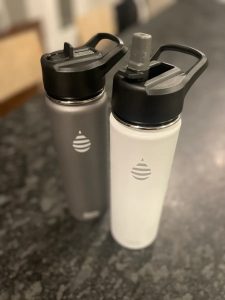
The insulation is the big quality-of-life difference here. The bottle uses double-walled 18/8 stainless steel, which helps your water stay cool longer as you move between the car, the office, the gym, and everything in between. That means you’re not stuck with lukewarm water halfway through the day.
On filtration, it removes up to 99.99% of 220+ contaminants and targets chlorine, fluoride, lead, and more while keeping beneficial minerals. That combination is designed to leave water tasting like water, not something overly stripped. It’s also independently tested to comply with NSF/ANSI standards 42, 53, 401, and 473, which provides extra confidence when you’re refilling from everyday tap sources.
The replacement cycle stays clear and predictable. The filter life is rated at 25 gallons, and at 20 ounces per fill, that comes out to up to 160 fills before you replace the filter. Instead of fiddling with complex parts, you remove the old filter and put in a new one, so the routine stays quick.
Cleaning is simple but more hands-on than a dishwasher-safe bottle. You wash the bottle, straw, and mouthpiece with warm soapy water and let everything air-dry with the lid off, while keeping the filter unwashed. If your priority is cold water plus filtration in a sturdy, everyday carry format, this bottle fits that role cleanly.
Pros:
Cons:
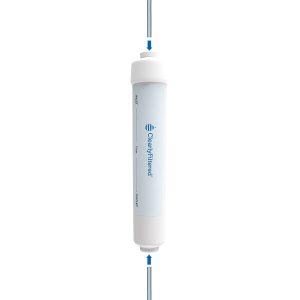
If your household already relies on the fridge dispenser and ice maker, this filter meets you exactly where you are. It installs inline behind the refrigerator on the water line, so filtration happens before water reaches the dispenser or turns into ice. The biggest benefit is that your routine stays the same—you press the lever, fill a glass, drop ice into a cup—and the upgrade happens quietly in the background.
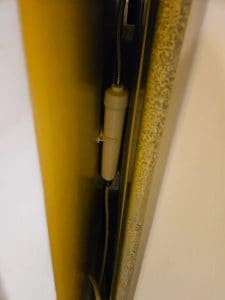
Installation is designed to be doable without special tools or complicated add-ons. You turn off the cold water supply, connect it to the line behind the fridge, then either mount the unit with the included kit or place it beside or behind the refrigerator. Once it’s in, you get filtered dispenser water and ice without changing how your kitchen works.
Filtration targets a broad range of common concerns. It targets chlorine, fluoride, lead, arsenic, PFAS, and more while keeping beneficial minerals, which supports a cleaner everyday drinking and cooking experience. It’s also independently tested to comply with NSF/ANSI standards 42, 53, 401, and 473, which helps you feel more grounded about what’s happening inside that filter housing.
Maintenance feels low-effort because it’s tied to a large capacity. The filter life is rated at 365 gallons, and many households typically replace it only 1–2 times a year in normal use. It includes a detailed tracker, so you don’t have to guess when it’s time.
Compatibility is built into the design, which is the make-or-break factor for fridge installs. You get 1/4-inch push fittings for standard plastic, vinyl, or copper lines, and 1/4-inch stainless steel fittings for braided stainless setups. If your main goal is better fridge water and ice with minimal disruption, this is the most “quiet upgrade” in the lineup.
Pros:
Cons:
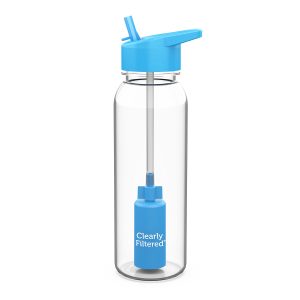
If you want filtered water while you’re out—work, travel, gym, errands—this is the most straightforward “fill and go” option. The 24-ounce size gives you a bit more capacity than the 20-ounce bottle, and filtration happens as you drink. You fill it from a tap and keep moving, which makes it a practical choice when you’re constantly refilling in different places.
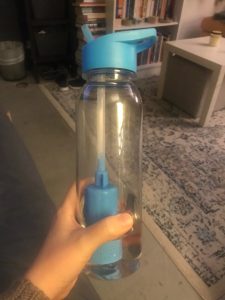
This bottle is designed for municipal tap water, which matches the real-world places you end up refilling: offices, airports, gyms, and friends’ kitchens. That focus keeps the routine simple—top up, sip, repeat—without turning every refill into a debate. It’s a good fit when your biggest priority is staying consistent with hydration away from home.
The filter is rated for a 25-gallon life and targets chlorine, fluoride, lead, and more while keeping beneficial minerals. That means you get filtration while still keeping the natural character of the water. It’s also independently tested to comply with NSF/ANSI standards 42, 53, 401, and 473, which adds peace of mind when you’re using it as a daily driver.
Maintenance stays easy to follow. You get up to 133 fills before you replace the filter, and the swap itself is a quick change rather than a multi-step process. The bottle is dishwasher-safe, and you can wash the straw and mouthpiece by hand with warm soapy water while keeping the filter dry.
It’s also designed for cold water, and it works fine with ice, so it naturally supports that “cold bottle in your bag” routine. If you want the simplest way to filter as you drink, with easy cleaning and a practical size, this Tritan bottle is a strong everyday carry pick.
Pros:
Cons:
This buyer’s guide helps you pick the right style based on your routine. Instead of getting stuck on a long list of technical terms, you’ll focus on where you drink water most often, how much setup you want, and what kind of upkeep feels realistic.

The fastest way to choose is to match the filter to your most common “water moments.” If you drink mainly at the sink—cooking, filling glasses, rinsing produce—an under-sink setup gives you filtered water exactly where those habits happen. Because it installs under the cabinet and runs from your cold water line, it becomes part of the kitchen rather than a separate task you manage.
If your household lives off the fridge dispenser, an inline fridge filter makes more sense than a pitcher. Filtration happens before the water reaches the dispenser and ice maker, so you don’t need to remember to refill anything. In normal use, that feels like the most seamless option because it doesn’t change how anyone gets water.

Some people want a solution that requires zero tools and zero cabinet planning. In that case, the pitcher and the bottles win because they work immediately—fill them and use them. The pitcher fits best if you want cold water waiting in the fridge, while the bottles fit best if you want filtration that travels with you.
If you’re comfortable doing basic connections, the under-sink and fridge options trade a bit of upfront setup for a more “automatic” day-to-day experience. Under-sink installation means planning for cabinet space and connecting to the cold water line. Fridge installation means pulling the fridge out and connecting the water line behind it, then positioning the filter with the included mounting approach or placing it nearby.
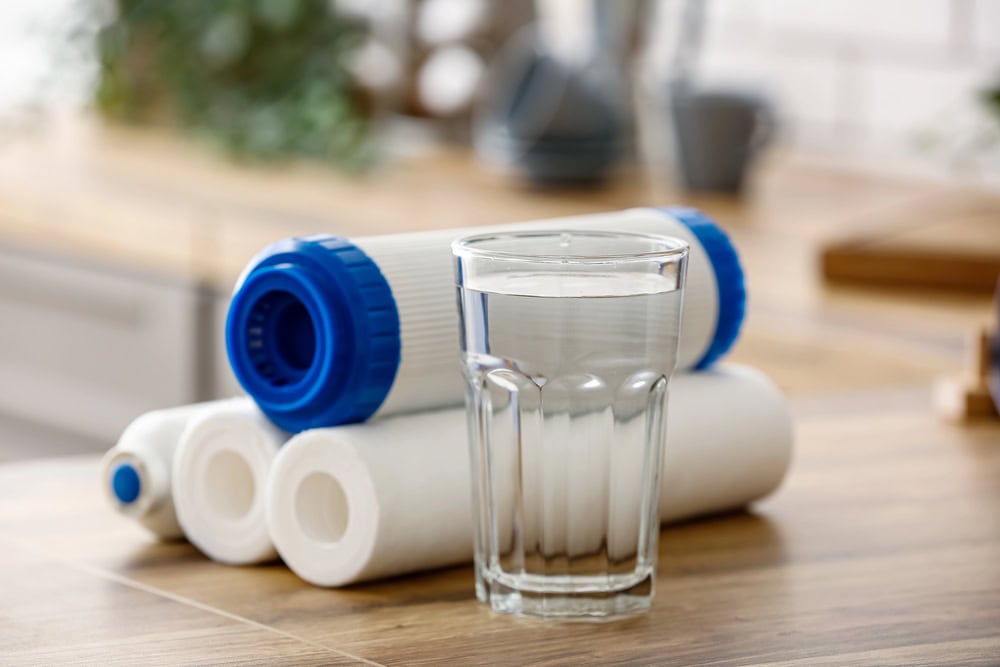
A filter you actually keep up with is the one you’ll be happy you bought. The two bottles share the same 25-gallon filter life, but they translate that capacity into different refill counts because of bottle size—up to 160 fills for the 20-ounce bottle and up to 133 fills for the 24-ounce bottle. If you refill constantly throughout the day, that “fill count” framing makes it easier to picture when replacement time comes.
For the pitcher, the 100-gallon rating and roughly 200 fills give you a clear sense of the long-term rhythm, and many households typically land in the 2–6 month range depending on usage. The fridge filter leans toward fewer changes over a year with a 365-gallon rating, and the included tracker helps you keep it on schedule. The under-sink system simplifies planning by keeping all three filters on the same replacement timeline, so you change them together rather than juggling different dates.
If cold water is the big deal, the insulated stainless bottle stands out because double-walled 18/8 stainless steel helps keep your water cool longer. That makes a real difference when you’re drinking throughout the day and don’t want water warming up in your bag or car. If you want cold water at home with an easy pour, the pitcher turns “grab a glass” into the default move.
If you want your kitchen water to feel effortless for drinking and cooking, the under-sink setup puts filtered water right at the faucet without needing power. If you want better water from the fridge dispenser and better ice without changing your habits, the inline fridge filter is designed to make that happen quietly in the background.
If you want filtered water to feel built into your kitchen routine, the Clearly Filtered 3-Stage Under The Sink Water Filter System is the best fit for everyday drinking and cooking at the sink. If you prefer a no-install option that keeps cold water ready to pour, the Clearly Filtered Water Pitcher fits that fridge-based routine cleanly. For on-the-go filtration, the two bottles make the decision easy: choose the 20oz Stainless Steel Filtered Water Bottle if keeping water cold longer is a priority, or go with the 24oz Tritan Filtered Water Bottle if you want a dishwasher-safe bottle with a straightforward refill-and-sip rhythm. And if your household relies on the dispenser and ice maker, the Universal Inline Fridge Filter is the simplest way to upgrade that daily habit.
Your best pick is the one that matches where you drink water most and how much maintenance you’re willing to keep up with. Scroll back up to the product list, choose the style that fits your routine, and you’ll end up with a setup you’ll actually use every day.