This article may contain affiliate links. I may earn a small commission at no extra cost to you. Learn More

Menu

If your well water leaves a dusty film in a glass, clogs faucet screens, or turns toilet tanks into little sandboxes, the right sediment filtration changes how your whole home runs. You stop chasing random pressure drops. You spend less time cleaning gritty buildup. And you protect the plumbing and appliances that hate abrasive particles.
This best well water filter roundup helps you choose a whole-house sediment solution that matches what you’re seeing at the tap and what you want ownership to feel like—whether you prefer a simple cartridge swap, an automatic backwash system, or a setup that tackles sediment alongside iron and sulfur issues.
To find strong options for well-water sediment problems, I compared the product details carefully and focused on real-life outcomes: clearer water, steadier flow, simpler maintenance, and a setup that fits the way your home actually uses water.
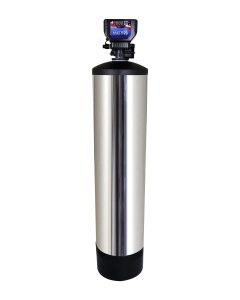
If your biggest frustration is fine silt that keeps slipping through and making water look hazy, this system leans hard into that problem. It uses granular filter media designed to capture sand, silt, and sediment down to below 5 microns, with a 5-micron nominal rating. That tighter capture is what makes the difference when the water doesn’t have big chunks—just a constant “dust” that shows up everywhere.
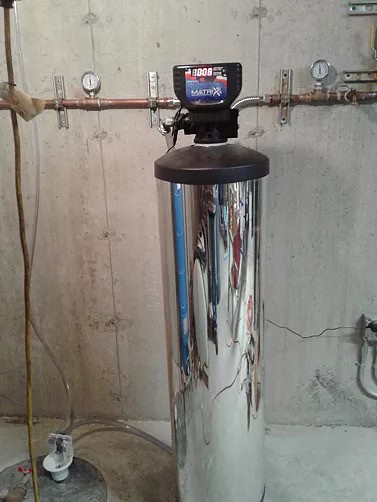
Because it backwashes automatically, it doesn’t rely on you swapping cartridges to stay effective. The system flushes out what it catches and refreshes the media, so you don’t live with the slow creep of reduced flow as the filter loads up. In normal use, that means the shower feels more consistent and your fixtures stay cleaner with less gritty buildup.
Sizing is built around matching your household demand. You choose from models rated at 8, 10, 15, or 20 GPM max flow, and each model has a specified backwash flow rate to clean itself properly. That choice matters because a filter that fits your demand feels invisible day to day—no “why is the water slower right now?” moments when multiple things run at once.
Control is designed to feel straightforward instead of technical. The system connects to the Legacy View App over Bluetooth, so you can set the time of day, schedule regeneration timing, and adjust backwash frequency without hovering over the equipment. You end up with a filter that behaves the way you want it to, on a schedule that fits your household.
It’s also built to stay practical when life happens. A 9-volt battery helps it return to service if power cuts out during regeneration, so you don’t waste water down the drain or get stuck mid-cycle. It monitors remaining battery life too, so you’re not surprised later.
Day-to-day ownership details round it out: there’s a built-in bypass valve so you can isolate the system when needed, and it runs on a 12-volt electrical system with operating cost stated as less than $2.00 per year. Add the lifetime tank warranty and the 10-year warranty on valve electronics, and the whole package is aimed at long-term, low-drama sediment control.
Pros:
Cons:

If your water problems go beyond sediment—think rust staining or that unmistakable sulfur “rotten egg” smell—this system takes a different approach. It’s an air-injection oxidizing setup built to treat iron, hydrogen sulfide, and manganese, with stated removal capacity up to 7 PPM iron, up to 8 PPM hydrogen sulfide, and up to 1 PPM manganese. That’s the kind of coverage that targets the issues that make water unpleasant to live with, not just inconvenient.
The way it tackles those contaminants is easy to understand in real life. Air injection creates an oxidizing step as water flows through, so those problem elements shift into forms that are easier to capture. Then a media bed listed as Greensand Fusion handles the filtration side, so what used to stain and smell gets trapped instead of traveling through your plumbing.
Because it backwashes to a drain, it’s designed to stay effective without you constantly opening housings or wrestling with frequent cartridge changes. [1] You can set backwash to run daily with the electronic control valve, which keeps the system refreshed in a predictable rhythm. The result is a “keeps itself moving” style of ownership that suits difficult well water.
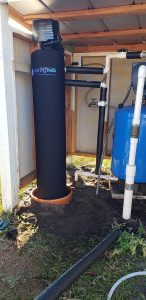
Control and tuning are a big part of the experience here. The Bluetooth head connects to an app, letting you adjust air draw and fine-tune backwash cycle timing. That’s helpful when your well water changes over seasons, or when you want to dial in performance after you see how the system behaves in your home.
Noise and disruption are addressed too. The system uses a slow-release compressed air step before backwash to avoid a loud, explosive blast when it cycles. In a home where the equipment sits near living space, that “less startling” routine makes the system feel more livable.
Sediment still matters here, and the system includes a spin-down sediment filter as part of the package. That spin-down uses a 90-micron reusable filter to grab larger sediment before it hits the main system, and it’s paired with 1-inch in/out connections and a stated max flow of 26.4 GPM. In practice, you rinse out the collected grit and keep your whole setup cleaner and smoother.
Pros:
Cons:
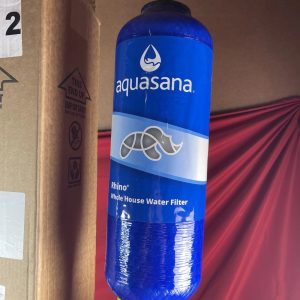
If you want a whole-house system that treats sediment as a front-end protection step, this one makes that structure clear. It’s a dual-tank setup paired with a dedicated 20-inch pre-filter. That pre-filter’s job is simple: catch dirt and sediment before it can clog the main filtration unit, so the whole system stays steadier and less finicky.
That pre-filter focus shows up in daily life. When sediment spikes—after heavy rain or seasonal shifts—you’re less likely to find grit in faucet aerators or cloudy water swirling in a glass. The practical win is fewer nuisance clogs and less abrasive junk traveling through fixtures.
Capacity and longevity are part of the appeal here. The system lists a 1,000,000-gallon capacity and up to 10 years, which is the kind of timeframe that makes whole-house filtration feel less like a hobby and more like infrastructure. It’s the difference between “I’m constantly managing this” and “this just lives here and does its job.”
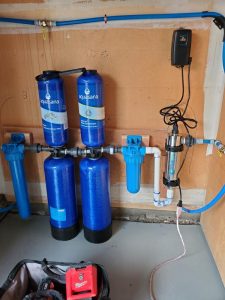
Flow is framed in two ways: a 7.0 GPM rated flow rate and a 14.6 GPM peak flow rate. That combination supports normal household use while giving you breathing room when demand spikes. In real terms, it’s built to keep water moving during the routines that stack up in a busy home.
Maintenance stays defined and predictable because the pre-filter has clear replacement timing. The standard pre-filter changes every 2 months, which suits heavier sediment situations where you want consistent capture. If you’d rather stretch that routine, there’s an optional low-maintenance pre-filter that lasts three times longer and gets replaced every 6 months, which makes upkeep feel more like a “couple times a year” habit.
This system also prioritizes low-complexity operation for the main unit. It runs without electricity, drain lines, or backflushing for the primary filtration, so you don’t plan installation around power or a drain. Add the material and certification details—food-grade high-density polyethylene tanks and WQA certification to NSF/ANSI/CAN 61—and you get a setup that emphasizes confidence in what touches your water. It’s also independently tested to NSF/ANSI Standard 42 to remove up to 97% chlorine for 1,000,000 gallons, and the media includes copper-zinc KDF used to inhibit bacteria and algae growth and extend filter life, which supports a more stable long-term ownership experience.
Pros:
Cons:
This one is built around a familiar, practical strategy: use a large pre-filter to catch sediment first, then polish the water afterward. It starts with a 20-inch sediment cartridge up front that targets sediment, silt, sand, and dirt. That front-end capture keeps the grit from traveling through fixtures and appliances, so you spend less time clearing screens and scrubbing residue.
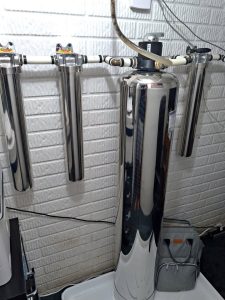
The system’s sizing options are designed to match bathroom count and typical demand. For 1–3 bathrooms, it lists a 1,000,000-gallon capacity and a 9–11 GPM service flow, which supports normal daily routines without feeling sluggish. For 2–4 bathrooms, it lists a 1,500,000-gallon capacity and a 10–13 GPM service flow, which gives you more breathing room during peak times. In real life, that sizing clarity helps you pick a setup that feels “right” instead of guessing.
After sediment capture, it adds a 20-inch solid carbon cartridge as a post-filter. That extra stage is the kind of finishing step that makes the water feel more “complete” for drinking, cooking, and everyday use. It’s not just about what your water looks like—it’s about how it fits into the routines you repeat all day.
Inside the main tank, the media blend includes coconut-shell activated carbon in both standard and catalytic forms, along with additional media components. Ceramic and tourmaline balls are included to oxygenate the water and support a more alkaline balance. [2] The practical takeaway is a whole-home system that aims to deliver water that feels more finished throughout the house, not just at one faucet.

Ownership is shaped by how you want the system to refresh itself. The standard valve runs backwash on a day-based schedule, so you’re working with a predictable routine. If you’d rather tie cleaning to your actual usage, you can choose a metered valve that triggers backwash by gallons, which better matches households with uneven water demand.
Optional add-ons focus on expanding the system’s role. There’s an ozone oxidation add-on that uses ozone for water oxidation when your water needs extra treatment support, and you can pair the system with a leak detector valve to help reduce the risk of accidental water damage. Those extras speak to a homeowner who wants more control and more guardrails built into the setup.
Pros:
Cons:
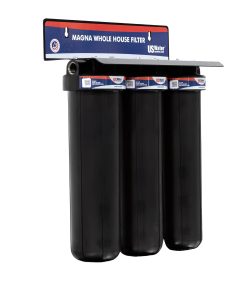
If you want something compact and straightforward, this system keeps the concept simple: start with sediment removal, then support a whole-house filtration routine that doesn’t demand constant attention. It uses a dedicated sediment stage aimed at larger particles like dirt and rust. That early capture is what keeps the water from looking swirly in a bathtub and helps reduce sudden clogging at faucets.
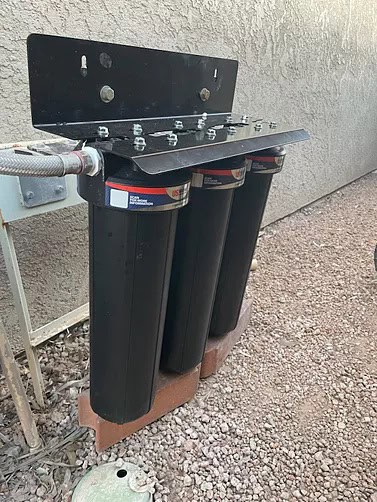
It’s rated for a 15 GPM flow rate, which supports typical household use without making the filter feel like the limiting factor. When you’re running a shower and the laundry at the same time, that flow rating helps the system blend into the background instead of becoming something you “feel” every day.
Placement flexibility is a practical perk. It’s built for installation indoors or outdoors, so you can work with your existing plumbing layout rather than forcing a perfect utility-room scenario. That makes it easier to plan the setup in homes where space is tight or where your water line enters in a tricky spot.
Maintenance is defined in plain, calendar-friendly terms. The sediment and carbon cartridges are replaced about every 6–12 months on typical city water, which puts upkeep on a seasonal rhythm instead of a frequent cycle. If you choose the anti-scale option, that cartridge is typically swapped every 6–9 months, giving you a separate but still predictable routine. The benefit is simple: you know what “taking care of it” looks like without guessing.
This system avoids the extra infrastructure some whole-house setups require. It runs without salt, drain lines, or electricity, so you don’t plan around power outlets or a discharge location. That reduces friction during installation and keeps ownership feeling uncomplicated.
Build details focus on sturdiness where it counts. The housings use reinforced polypropylene with stainless-steel threadings, and the system mounts on a steel, powder-coated bracket. Once it’s installed, it’s meant to feel secure and stable—more like a permanent utility upgrade than a delicate device you worry about.
Pros:
Cons:
A good sediment filter choice comes down to matching the filter style to your water’s particle load and matching the maintenance routine to your lifestyle. This guide helps you decide what “best” really means for your home—clearer water, steadier flow, simpler upkeep, or a broader system that tackles more than sediment.
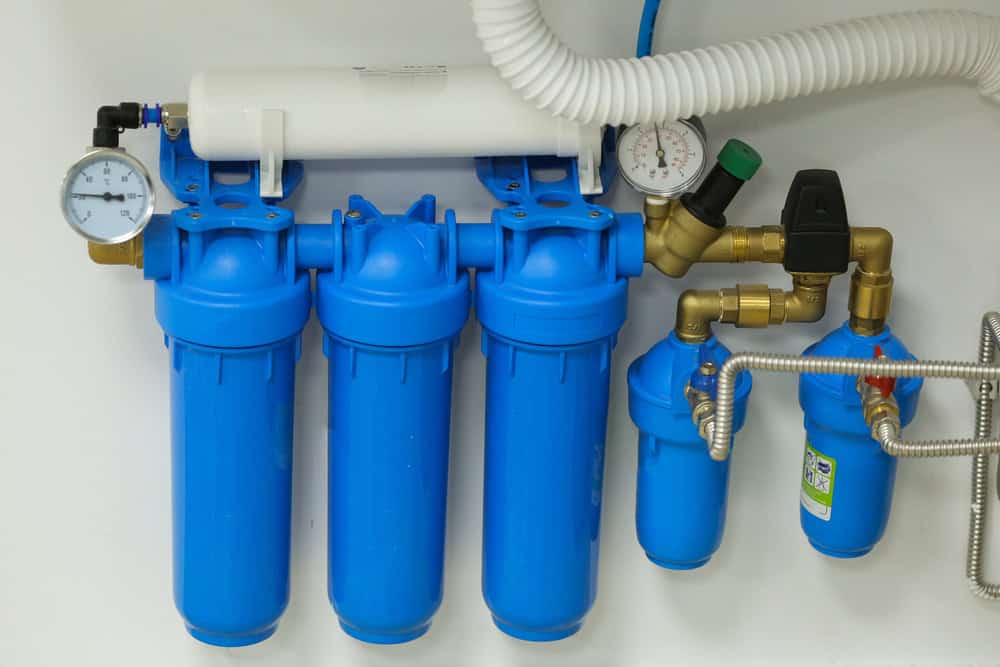
Cartridge-based systems tend to feel straightforward: you catch sediment in a filter, then replace it on a schedule. If you like knowing that maintenance means a planned swap a few times per year, this ownership style fits well. It’s especially appealing when you want a compact setup and you don’t want to build your install around a drain line.
Backwashing systems shift the workload from “replace a cartridge” to “let the system clean itself.” Instead of waiting for flow to slowly drop as the filter loads up, the system flushes out trapped sediment and refreshes the media. That approach typically feels best when your well throws a lot of sediment or fine silt and you want steadier performance without frequent hands-on filter changes.
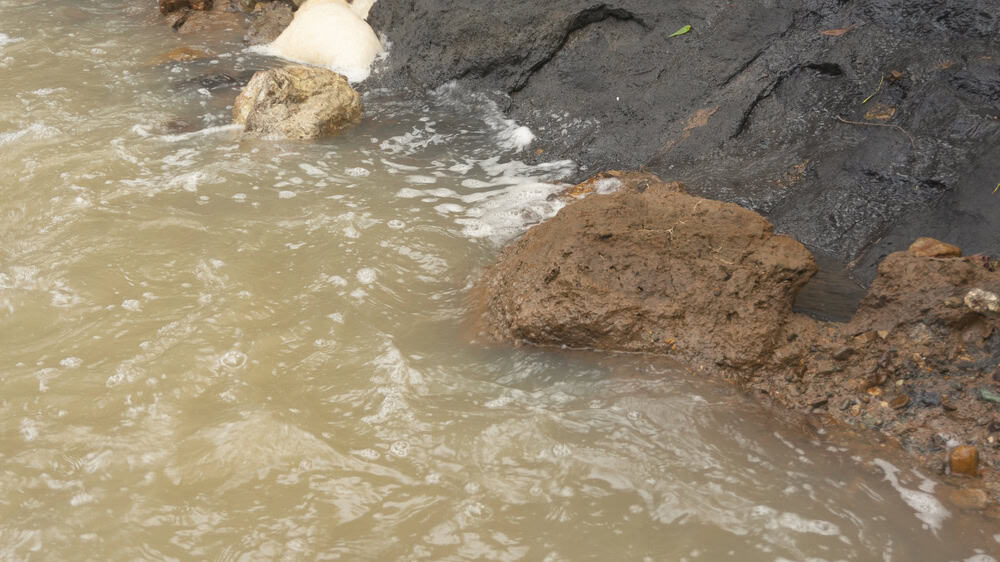
If you’re dealing with obvious grit—sand-like particles in toilet tanks, visible debris in tubs, or sediment that settles quickly—coarser pre-filtration makes a noticeable difference fast. [3] A reusable spin-down style screen focuses on grabbing larger particles early, so your plumbing and downstream equipment deal with less abrasive material.
If the problem is more like haze or persistent fine silt, the filtration target shifts. A system designed to capture finer sediment delivers clearer water at the glass and reduces that “dusty” residue that seems to show up everywhere. When you match the filter’s sediment focus to what you’re seeing, the results feel immediate instead of vague.

A filter that feels good to own is one you barely notice when you use water. That starts with picking a setup that matches the way your household runs water—showers, laundry, dishes, and everything stacked in the same morning window. When flow is right-sized, you keep normal pressure and the filter doesn’t become the bottleneck.
Some systems give you multiple flow classes or service-flow ranges to help you match demand. If you have a larger home or heavier simultaneous use, that flexibility matters. The practical goal is simple: the filter protects your home without forcing you to change your routines.

It’s easy to focus on performance and forget the day-to-day reality: what you’ll actually do to keep the system running well. If you prefer a predictable calendar routine, cartridge replacement schedules give you clear checkpoints. You swap, reset your mental timer, and move on.
If you’d rather avoid frequent hands-on changes, look for systems that refresh themselves through backwashing, or at least support longer maintenance intervals through alternative filter options. When the maintenance style matches your preferences, you stay consistent—and consistent maintenance is what keeps performance steady.

Sometimes sediment is only part of the frustration. If your water brings rust staining or a strong sulfur smell into the mix, a system that addresses those issues changes your whole experience. You’re not just protecting fixtures from grit—you’re making water feel more normal throughout the house.
In those situations, oxidation-based treatment paired with a sediment pre-filter creates a more complete solution. You handle the larger particles up front, then treat the contaminants that affect smell and staining. The result is a whole-home setup that fits real well-water life, not just one narrow symptom.
Related Well Water Guides:
If you want the strongest “set it and let it clean itself” experience for sediment, the US Water Systems Matrixx Smart Whole House Backwashing Sediment Filter is best for households dealing with fine silt and wanting stable flow without frequent cartridge swapping. If your water issues include rust staining or sulfur odor alongside sediment, the SpringWell Whole House Well Water Filter System is the best fit for treating those specific well-water headaches while still screening larger particles up front. If you want a long-life whole-house approach with a dedicated pre-filter and a main unit that runs without electricity or drain lines, the Aquasana Rhino fits best.
Crystal Quest SMART Whole House Water Filter is a strong match when you want a clear “sediment first, polish after” structure, with sizing choices that align with bathroom count and service-flow ranges. US Water Systems Magna Compact Whole House Water Filter is best for a compact, cartridge-based whole-home setup with a clear maintenance rhythm and flexible indoor/outdoor placement.
Your best move now is to choose the maintenance style you’ll actually stick with, then pick the system that matches your sediment severity and your household demand. Scroll back up to the product list, line up your priorities, and you’ll land on a setup that makes your well water feel easier to live with every day.