This article may contain affiliate links. I may earn a small commission at no extra cost to you. Learn More

Menu

Well water has a way of making itself known. One week it’s a faint “earthy” smell in the shower. The next, you’re wiping rusty streaks off a sink you just cleaned, or you’re spotting grit in the bottom of a glass. The right whole-house system makes your water feel normal again—without turning your utility area into a science project.
This roundup helps you match a filter to what you’re actually dealing with: sediment, iron staining, sulfur odor, household flow needs, and the kind of maintenance you’re willing to live with. You’ll get clear takeaways on day-to-day usability, how each approach treats common well-water problems, and what ownership looks like once it’s installed.
To build this list, I compared the product details carefully to identify strong, practical choices for well-water homes—then focused on what each setup means in real life, from shower comfort to how often you’ll think about maintenance.
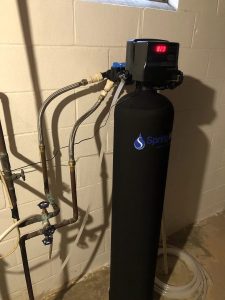
If your main issues are iron staining, sulfur smell, and manganese, this is one of the best well water filter picks for tackling those problems with an air-injection approach. Water passes through an air pocket inside the tank to trigger oxidation, so iron and sulfur-related issues stop riding through your plumbing as “invisible” trouble. You notice the payoff where it matters: the shower smells cleaner, and fixtures stop picking up that stubborn discoloration.
The filtration media handles the follow-through after oxidation. The green sand fusion bed traps what the oxidation step changes, so the problems you were seeing at the sink and in the toilet tank don’t keep reappearing. Because it treats those contaminants before water reaches your taps, the whole home benefits at once—not just the kitchen.
This setup is built around specific well-water targets. It’s designed to remove up to 7 ppm of iron, up to 8 ppm of hydrogen sulfide, and up to 1 ppm of manganese, so it fits the classic “stains + odor” situation many well owners face. It also operates across a pH range of 6.5 to 10, which helps it slot into a wide range of well conditions without making the system feel finicky.

Flow sizing is a big part of why a whole-house filter feels good to live with, and SpringWell makes that choice straightforward. The WS1 supports 1–4 bathrooms with a 12 GPM service flow, while the WS4 targets 4+ bathrooms with a 20 GPM service flow. That means you can shower and run appliances without the nagging sense that filtration is slowing everything down.
Ownership feels modern thanks to the controls and app access. You program the electronic control valve, and you can set daily backwashing when you want that consistent refresh cycle. Bluetooth pairing lets you adjust settings like air draw, timing, and backwash cycles from your phone, so fine-tuning doesn’t feel like a chore.
Noise and comfort details matter more than people expect, especially if your equipment sits near living space. This system uses a slow release of compressed air before backwash cycles, which helps avoid that sudden “blast” sound some older setups make. If you want a whole-house solution aimed at the most common well-water headaches, this one is built to make the water around your home feel clean and predictable again.
Pros:
Cons:
When your well water smells like sulfur or leaves heavy iron staining, this is a strong contender in the best whole house filter for well water category because it leans into a more “active” treatment style. It uses continuous injection technology with hydrogen peroxide to oxidize iron, manganese, and hydrogen sulfide early in the process. That translates into the kind of change you notice quickly: the rotten-egg odor backs off, and staining stops feeling inevitable.
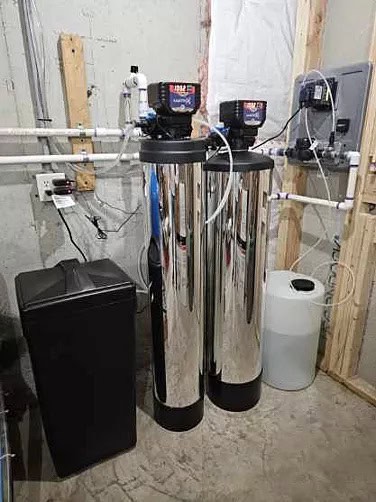
Catalytic carbon handles the cleanup after oxidation. [1] Once the peroxide step changes the contaminants, the carbon stage helps trap what would otherwise keep flowing through. In day-to-day use, you’re not just masking a smell—you’re interrupting the chain of events that leads to funky showers and rusty-looking fixtures.
This system is built to match serious well-water numbers, which is useful if you’ve tested your water and know what you’re up against. Typical removal is rated up to 20 ppm of iron, up to 30 ppm of hydrogen sulfide, and up to 1 ppm of manganese. It also works effectively across a pH range of 6 to 9, so you’re not forced into a narrow “perfect conditions only” window.
Sizing focuses on peak water use so the system doesn’t feel strained during busy household moments. You can choose 10, 15, or 20 GPM peak flow models, matched to bathroom counts ranging from 1–2 up to 4–6. That means you can keep showers and appliances feeling normal, even when multiple people use water at once.
Maintenance is automated, but the cadence is part of what you’re signing up for. Backwashing typically runs about every two days, and extreme situations may call for daily backwashing. The upside is consistent performance; the tradeoff is that it’s a more “active routine” system than a set-it-and-forget-it filter.
The controls lean into convenience for a system that does a lot. You set the timing and frequency, and the internal meter tracks gallons and monitors flow rates, so the unit behaves more like a managed appliance than a mystery box. Bluetooth access through the companion app makes adjustments simple, and 12-volt operation with battery backup helps the system keep its settings through outages—useful in areas where power interruptions aren’t rare.
Pros:
Cons:
If you want a whole-house filter that focuses on more than basic “taste cleanup,” this is one of the best well water filter system contenders for a “modern concerns” approach. It combines catalytic carbon with bone char media, with the goal of reducing fluoride along with chlorine and chloramines. In practice, you end up with water that tastes cleaner for drinking and cooking, without needing a separate point-of-use setup just to make a glass feel appealing.
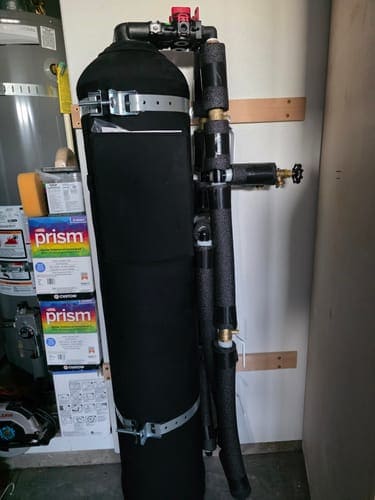
It’s also positioned as a “modern contaminant” style filter. Fluoride reduction is set at 99%, and PFAS reduction is listed at up to 99%. That gives you a clearer sense of the lane it’s in: it’s not only about odor, but also about chemical concerns people increasingly think about when they’re choosing a whole-house filter.
The flow path design is a big part of how it’s meant to perform over time. This is an upflow system, so water moves upward through the media bed for stronger circulation and longer contact time. That design choice keeps filtration consistent while still preserving a comfortable whole-house feel—so showers don’t suddenly feel like they’re starving for water.
Home fit is aimed at larger demand. It’s positioned for medium to large homes, up to 4–6 bathrooms, which helps it stay comfortable when multiple fixtures run. If you’ve got a busier household schedule, that sizing focus matters because it keeps the system from feeling “maxed out” during peak use.
Ownership leans heavily toward low-effort operation. It doesn’t need electricity, it runs without waste water, and it avoids chemical feeds, so the setup stays simpler than many treatment systems. It’s rated for 1,000,000 gallons, and it’s set up so you don’t clean the media and you don’t replace it for up to 6–10 years, or 600,000 to 1,000,000 gallons—so your “maintenance” mostly feels like living your life.
Small design touches support a cleaner install area. The neoprene tank jacket helps reduce condensation, which keeps the area around the tank drier in humid seasons. Because the jacket is removable and washable, it stays neat without becoming a new ongoing project.
Pros:
Cons:
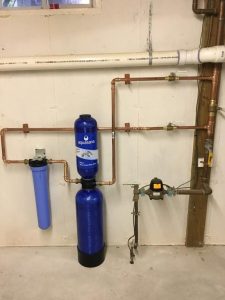
If you want a straightforward whole-house filter with a clear long-run timeline, this is one of the best whole house water filter for well water picks for people who value a predictable ownership story. It’s built to reduce up to 97% of chlorine, so if chlorine is part of your water treatment picture, the “pool water” vibe fades fast. The system is rated for 1,000,000 gallons or up to 10 years, which makes it easy to set expectations and stop thinking about your main tank every season.
Rhino focuses on maintaining a comfortable household feel while filtering. It has a rated flow rate of 7 GPM, and a peak flow reaching 14.6 GPM, which helps keep everyday use smooth when someone’s showering and the washer starts up. The divider valve supports a fast, reliable flow, so filtration doesn’t feel like it’s stealing pressure from your fixtures.
The install requirements stay refreshingly uncomplicated. This system runs without electricity, it doesn’t need drain lines, and it doesn’t rely on back flushing. That translates to fewer “where does this connect?” decisions, especially if you want a clean, tidy install without extra plumbing complexity.
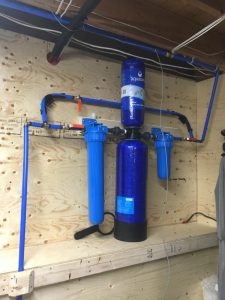
It also includes trust signals that matter in a whole-home purchase. The filtration media is designed to be bacteriostatic and includes KDF, which makes the filter environment less welcoming to bacterial growth. It’s WQA certified to NSF/ANSI/CAN 61, which supports peace of mind around the materials that contact your water in daily use.
Maintenance is routine-based rather than technical. A 20-inch pre-filter swaps out every two months to keep sediment from bogging down the system, so flow stays steady. A post-filter changes every six months to polish the water, so taste and clarity remain consistent across the year.
If you want an extra safety step, you can add UV. The optional UV filter sterilizes 99.99% of bacteria and viruses and 99% of cysts, which gives you another layer of protection before water reaches every tap. Altogether, Rhino fits best when you want predictable, long-term filtration with clear replacement intervals and a simple install.
Pros:
Cons:
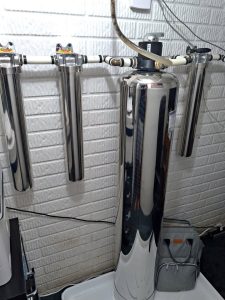
This is the “layered treatment” pick for people who want a multi-step whole-house approach, and it fits well if you’re shopping for the best water filter system for well water setups rather than a single-purpose solution. It starts with a 20-inch sediment cartridge, which catches silt, sand, and dirt so the gritty film stops showing up around sinks and toilet tanks. It finishes with a 20-inch solid carbon cartridge that reduces VOCs and leftover organics, so your water tastes and smells cleaner when you’re pouring a glass, brewing coffee, or filling an ice tray.
The core is the SMART multimedia bed, and the media stack is where the system gets its identity. It uses two types of coconut-shell activated carbon—standard and catalytic—so it targets chlorine and chloramine while still addressing a broader range of chemical leftovers. That means water feels more pleasant day to day, especially if you notice that “treated” flavor in drinks and cooking water.
This system includes components aimed at reducing heavy metals as well. The media blend includes Eagle Redox alloys and ion exchange resin to reduce metals like lead and mercury, so you get a stronger sense of confidence at the kitchen sink. Ceramic and tourmaline balls are included to oxygenate and support a more alkaline pH, which helps the water feel less flat and more refreshing.
Sizing options help you match the system to your home without guesswork. You can choose a 1,000,000-gallon capacity for a 1–3 bathroom home or a 1,500,000-gallon capacity for a 2–4 bathroom home, which keeps the fit practical. Service flow is listed around 9–11 GPM on the smaller option and 10–13 GPM on the larger option, so you keep a comfortable feel when multiple people are using water.

You also get meaningful choice in how the system operates. Backwashing runs automatically, so the media bed refreshes itself without you micromanaging. You can choose a timer valve for scheduled cleaning cycles or step up to a metered valve that triggers by gallons, which helps the backwash routine align more closely with how your household actually uses water.
The build options support different install preferences. You can choose stainless steel or fiberglass tanks, which helps you match the setup to your space and priorities. And if you add the leak detector valve, you get an extra layer of protection that helps prevent accidental water damage—useful peace of mind when the system sits near finished areas.
Pros:
Cons:
This buyer’s guide helps you sort through the most important decision points—what problem you’re solving first, how much water your home needs at peak times, and what kind of routine you want to live with once the system is installed.

The fastest way to narrow your options is to name the problem that actually bothers you. If the biggest issue is smell—especially that sulfur “rotten egg” odor—you’ll get the most value from a system that targets hydrogen sulfide directly and keeps the whole home feeling fresh.
If staining is the headline problem, focus on filters aimed at iron and manganese, since those issues often drive people to search for the best filter for well water in the first place. Those are the culprits behind the orange and dark marks that keep coming back on fixtures, sinks, and laundry. When the treatment method matches the problem, you stop feeling like you’re “kind of” improving things and start seeing consistent results.
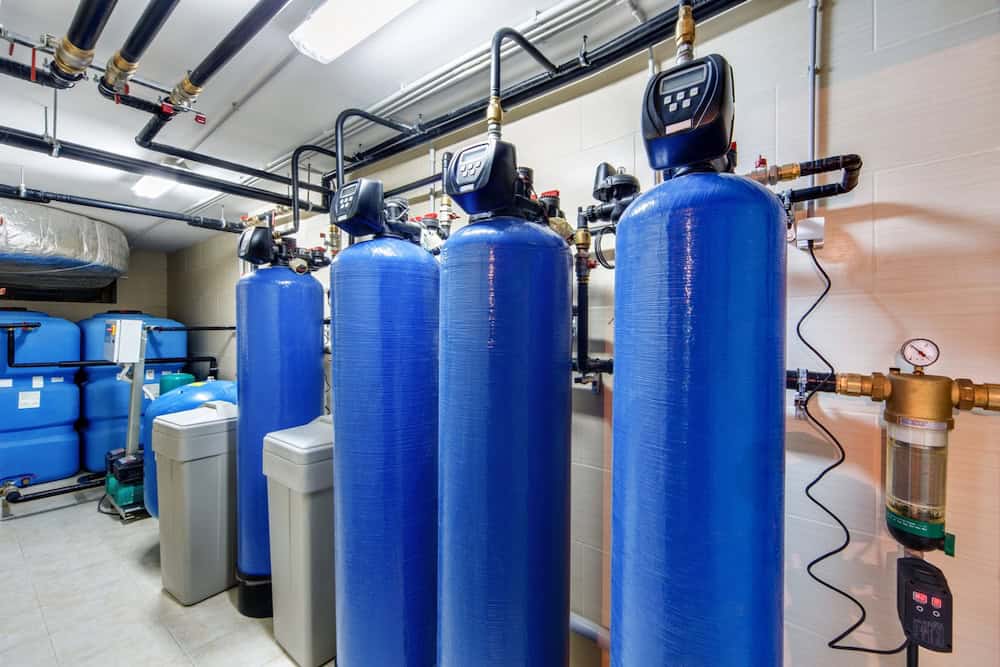
Whole-house filtration should feel invisible while you’re using water. That starts with sizing the system to your bathroom count and the way your home runs water during busy windows. Some systems spell this out with bathroom ranges and service flow rates, while others give peak flow options to match higher demand.
Think about your most demanding moment, not your average one. If someone showers while the washer runs and the dishwasher is going, the system needs enough flow headroom to keep those routines comfortable. When you size correctly, filtration doesn’t feel like a tradeoff.
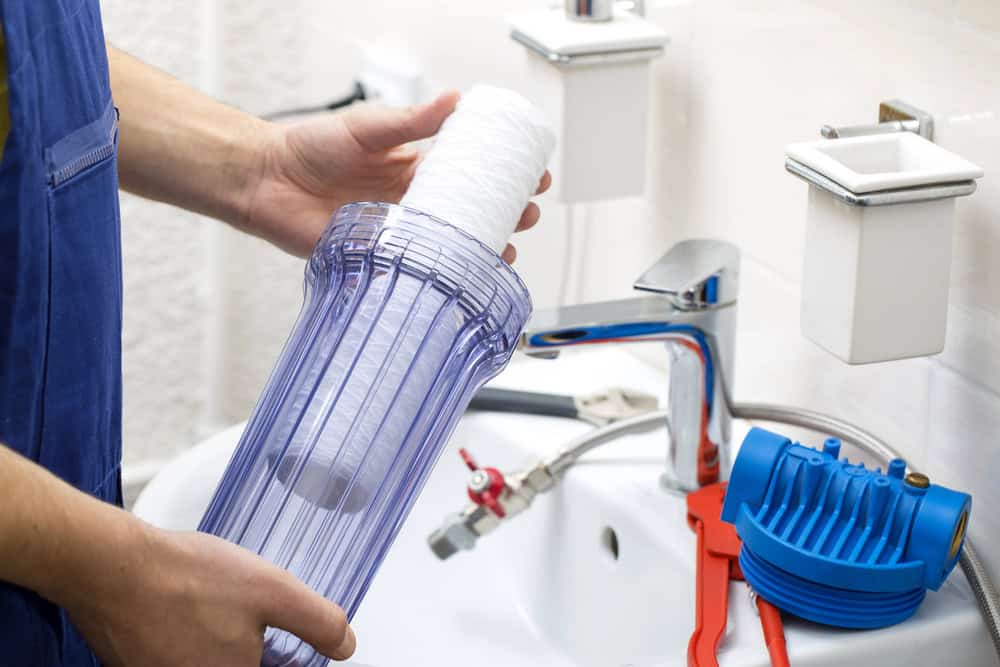
Some systems stay simple by avoiding electricity and drain lines, while others take a more active approach and reward you with targeted treatment. If you want a straightforward install and predictable upkeep, a no-power, no-drain setup with scheduled filter changes keeps things easy.
If you’re dealing with heavier iron or sulfur problems, you may prefer a system with more active treatment and more frequent cleaning cycles. That style feels more “managed,” but it’s often the lane that best fits intense well-water issues. The key is choosing a routine you’ll actually maintain without resentment.
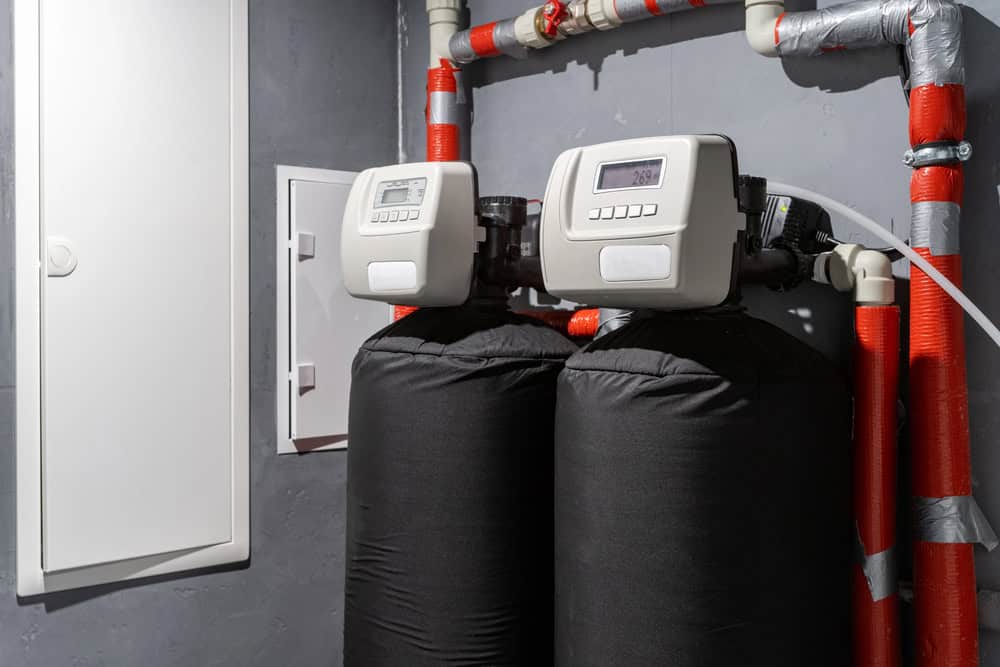
App control and adjustable cycles matter most when you expect to fine-tune performance. Bluetooth-enabled systems make it easier to adjust timing and refresh cycles without hovering over the equipment. That’s especially useful if your water changes seasonally or you’re dialing in a setup after a water test.
On the flip side, a simpler system with fewer moving pieces can feel like the best well water filtration system path for your home. If you want filtration that quietly runs in the background, prioritize straightforward operation and maintenance you can schedule without fuss.
Related Water Filter Guides:
If iron staining and sulfur odor are the big issues, the SpringWell Whole House Well Water Filter System fits that “classic well-water problems” lane with an air-injection approach and strong flow sizing choices. For heavier iron and sulfur situations where you want active treatment and app-based control, the US Water Systems Matrixx InFusion system is built around oxidation and targeted removal ranges.
If you’re focused on fluoride along with chlorine and chloramines—and you want a long-life, low-hassle ownership style—the SoftPro Fluoride & Chlorine+ SUPER Filter is the most direct match. If your priority is long-term filtration with a simple install and clear filter change intervals, Aquasana Rhino keeps the routine predictable. And if you want a layered, multi-media approach with sediment handling up front and broader chemical reduction throughout, Crystal Quest SMART Whole House Water Filter stands out for that comprehensive stack.
At this point, the best move is to pick the system that matches your top water complaint and your home’s flow needs, then scroll back up to the product list and compare with those two priorities in mind. When you match the treatment method to your water, choosing the best well water filter becomes much simpler—and the results feel a lot more satisfying.